
Democracy, Populism, and Post-truth
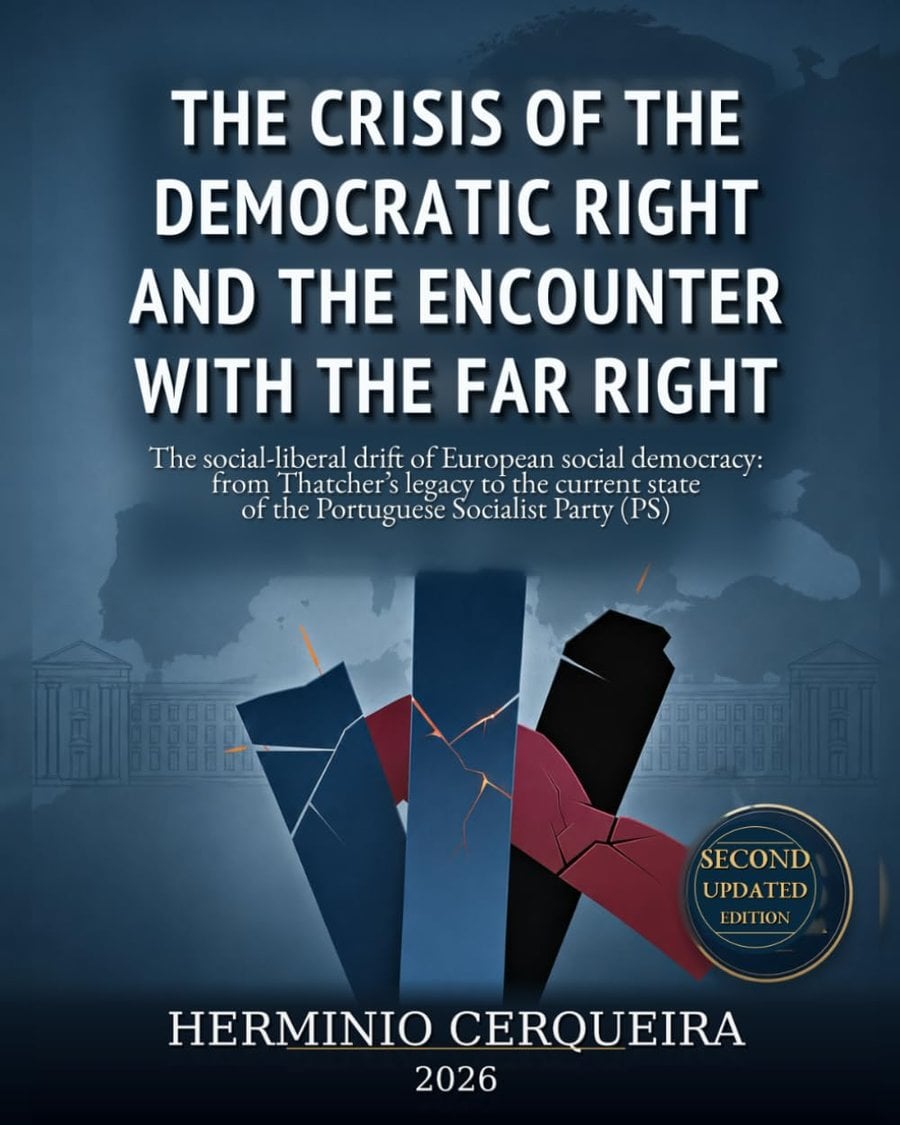
The Crisis of the Democratic Right and the Encounter with the Far Right
2026 · 791 pages

Populism, Post-Truth, and the Crisis of Liberal Democracy
Populismo, Pós-Verdade e a Crise da Democracia Liberal
Available in 2 languages
“simultaneamente protagonista e sintoma — o homem que catalisou uma crise, mas também o produto de décadas de transformações que o precederam e que o sobreviverão”
Text published with the English edition (Amazon).
Populism, Post-Truth, and the Crisis of Liberal Democracy. This book is, above all, an act of citizenship. Not an act of American citizenship— I am not American, I do not vote in American elections, and I have not lived in the United States. It is an act of democratic citizenship that transcends national borders, because the threat it documents also transcends them. When the world's most influential democracy is in crisis, all democracies feel the impact. When the leader of the planet's largest nuclear power governs on the basis of systematic lies, every inhabitant of the planet is at risk. When a model of authoritarian populism is successfully exported from Washington to Brasília, Budapest, New Delhi, and Lisbon, resistance also needs to be globalized.I began working on this book in late 2025, a few months after the start of Donald Trump's second term. My immediate motivation was the realization that, despite the abundance of analyses in English, there was no work in Portuguese that addressed the Trump phenomenon with the depth, rigor, and accessibility that the subject deserves. Portuguese-speaking readers—whether in Portugal, Brazil, Angola, or Mozambique—are not passive spectators of the global democratic crisis; they are participants, whether willingly or unwillingly, in a process that affects their lives, their economies, and their democracies. Therefore, they deserved a book aimed directly at them.
The book's structure reflects a methodological conviction: Trumpism is a multidimensional phenomenon that can only be understood at the intersection of multiple perspectives—historical, sociological, economic, communicational, institutional, and geopolitical. No single explanation is sufficient. It is not just the deindustrialization of the Rust Belt; it is not just the latent racism of white America; it is not just the digital revolution and media fragmentation; it is not just the obscene inequality of financial capitalism; it is not just the opportunism of a narcissist with a talent for television. It is all of these things at once, in a combination that is specifically American in its manifestations but universal in its lessons.
On sources and the question of objectivity
A word on the issue of objectivity, which will undoubtedly be raised by some readers. This book does not purport to be neutral. It is based on an explicit commitment to the values of liberal democracy, human rights, factual truth, and pluralism as public goods. This commitment does not mean adherence to a specific political party or agenda—it means that I view the erosion of these principles, by any political actor of any ideological stripe, as a problem that warrants critical analysis and civic resistance.
Neutrality in the face of the destruction of democratic norms is not objectivity; it is complicity. When a president lies 30,573 documented times, describing these lies as controversial or disputed is not balanced journalism; it is participation in disinformation. When armed militias attack the Capitol to overturn an election, describing the event as a protest or legitimate expression is not balanced reporting; it is the normalization of violence. This book is committed to factual truth and rigorous analysis—and when truth and rigor lead to conclusions that some will consider biased, I accept that accusation as the price of not being complicit. The sources used are diverse and documented: academic research published in peer-reviewed journals, leading investigative journalism (Washington Post, New York Times, The Atlantic, ProPublica), reports from independent organizations (V-Dem, Freedom House, Pew Research Center), official documents (January 6 Select Committee report, indictments, executive orders), and fact-checking analyses (PolitiFact, FactCheck.org). To the extent possible, every factual statement is verifiable and traceable. Any errors that inevitably exist are my responsibility; the honesty of my efforts is guaranteed.
Este livro resulta de uma investigação independente, sustentada por fontes académicas, jornalísticas e documentais de acesso público. As opiniões expressas são da exclusiva responsabilidade do autor e não representam qualquer instituição ou organização.
Se ser idiota fosse um programa de TV, Trump seria uma série completa.
— Nate White
A democracia não morre com um estrondo; morre com um sussurro.
— Adaptação livre de T.S. Eliot
Este livro é, antes de mais, um acto de cidadania. Não um acto de cidadania americana — não sou americano, não voto nas eleições americanas, não vivi nos Estados Unidos.
— Trump, o Desruptor
Original text in Portuguese.
Source: publisher’s description of the Portuguese edition (Amazon).
English edition:
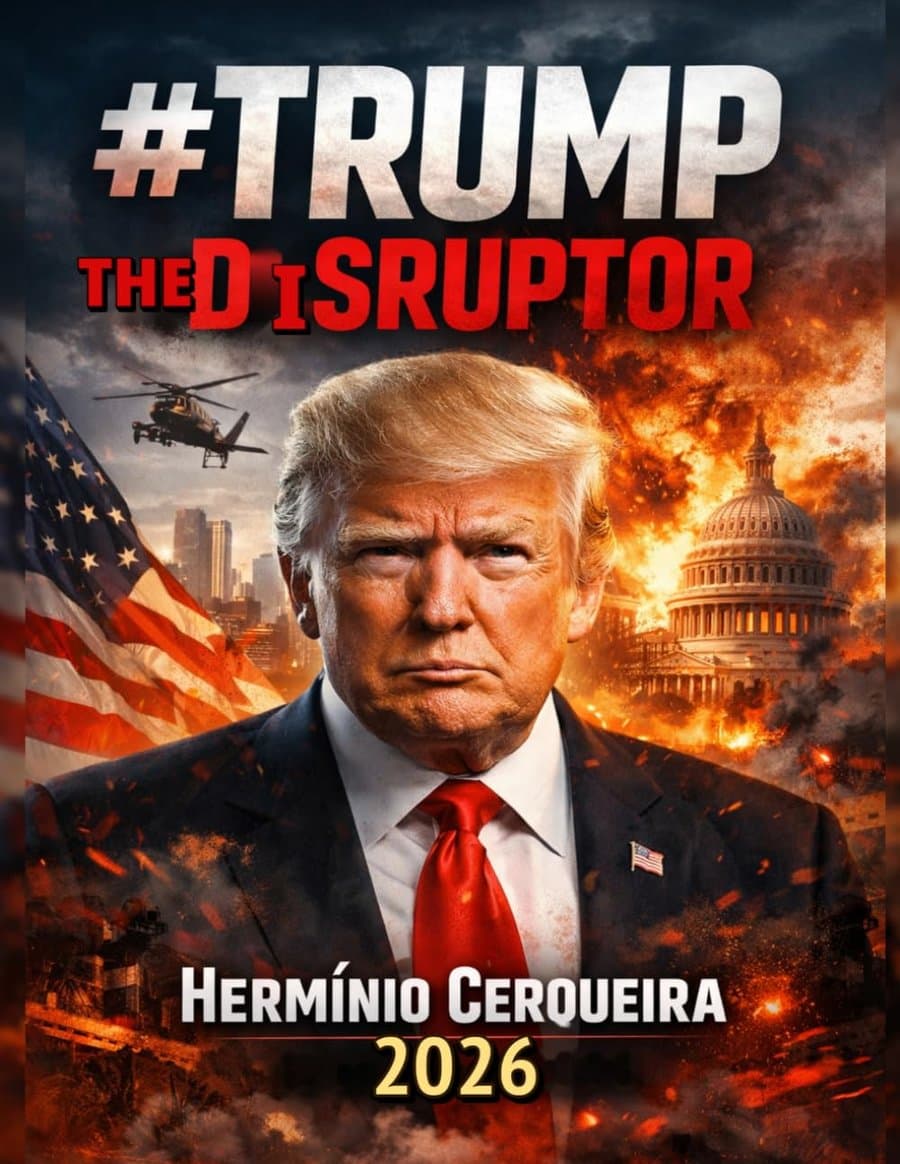
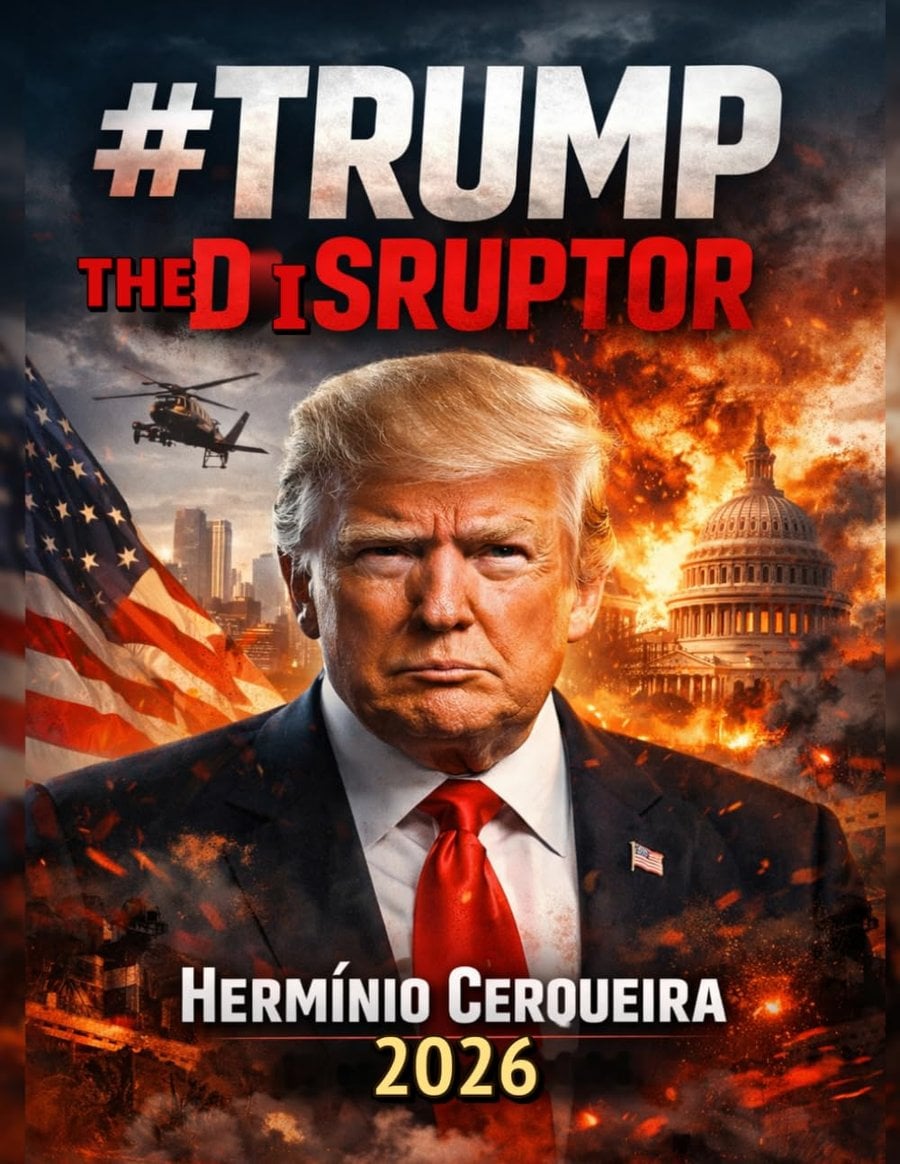
Trump, the Disruptor
347 pagesKindle and paperback
Portuguese edition:
Trump, o Desruptor
366 pagesKindle and paperback
Original text in Portuguese.
O ponto de partida deste livro é deliberadamente heterodoxo: o célebre ensaio viral do humorista britânico Nate White sobre a pergunta «porque é que os britânicos não gostam de Donald Trump?», a que o autor dedica um interlúdio inteiro de dissecação literária. White captou, argumenta Cerqueira, aquilo que as análises académicas falham: que «o problema com Trump não é ideológico; é ontológico» — a carência das qualidades humanas básicas que tornam possível a liderança responsável. Mas a indignação, por mais justa que seja, não substitui a análise; e é análise, «rigorosa, fundamentada e tão imparcial quanto uma posição assumidamente democrática permite», que o livro se propõe oferecer.
A tese central trata Trump como «simultaneamente protagonista e sintoma — o homem que catalisou uma crise, mas também o produto de décadas de transformações que o precederam e que o sobreviverão». Escrito no início de 2026, com o segundo mandato em curso, o livro não é biografia (o autor remete expressamente para Wolff, Woodward, Mary Trump e Haberman) nem previsão: é uma radiografia das forças estruturais que tornaram Trump possível e das consequências sistémicas da sua presidência, apresentada como momento que definirá o primeiro quartel do século XXI como a Grande Guerra definiu o do século XX.
A estrutura é a mais didáctica do eixo: cinco blocos e vinte e três capítulos, entremeados por oito interlúdios que funcionam como respirações narrativas — das «30.573 mentiras» documentadas pelo Washington Post aos «Retratos do Trumpismo: seis vidas americanas», passando pelas ferramentas de fact-checking para o cidadão. O Bloco I reconstitui a radicalização do conservadorismo americano de Buckley e Goldwater a Gingrich e ao Project 2025; o Bloco II faz a sociologia do ressentimento (Flint, o Rust Belt, a epidemia de opióides, o diploma como nova fronteira de classe); o Bloco III analisa a estética do populismo, a fábrica de mentiras e o universo QAnon; o Bloco IV documenta o assalto às instituições, do caso Merrick Garland ao 6 de Janeiro; o Bloco V globaliza o fenómeno — da guerra comercial com a China ao trumpismo como onda mundial. De particular interesse para o leitor português é o interlúdio «O Trumpismo em Português: de Bolsonaro a Chega», que documenta como o partido de André Ventura «replicava fielmente o playbook de Trump», crescendo de 1% em 2019 para 18% em 2024.
Os diálogos intelectuais mobilizam a ciência política da regressão democrática (os dados da Freedom House e da Economist Intelligence Unit sobre o retrocesso global sincronizado), a literatura do populismo e a investigação sobre desinformação, mas o tom mantém-se acessível: o livro assume-se como instrumento cívico, culminando num posfácio em forma de carta ao leitor europeu e num epílogo epistolar — «Cartas ao Futuro: o que diremos aos nossos netos». A conclusão dá o título ao gesto de todo o eixo: «A Democracia é um Verbo» — não um dom adquirido, mas um exercício renovado. No conjunto da obra, é a porta de entrada do Eixo 4: o livro que estabelece o diagnóstico estrutural que o Perfil Psicológico aprofunda no plano individual e que a Crise da Direita Democrática transpõe para Portugal.
“porque é que os britânicos não gostam de Donald Trump?”
“o problema com Trump não é ideológico; é ontológico”
“rigorosa, fundamentada e tão imparcial quanto uma posição assumidamente democrática permite”
“Retratos do Trumpismo: seis vidas americanas”
“O Trumpismo em Português: de Bolsonaro a Chega”
“replicava fielmente o playbook de Trump”
“Cartas ao Futuro: o que diremos aos nossos netos”
“30.573 mentiras”“A Democracia é um Verbo”
Source: «A Obra Comentada» (Sintra, Julho de 2026) — comentário crítico
2026 · 791 pages

2026 · 815 pages

2026 · 617 pages