Democracy, Populism, and Post-truth
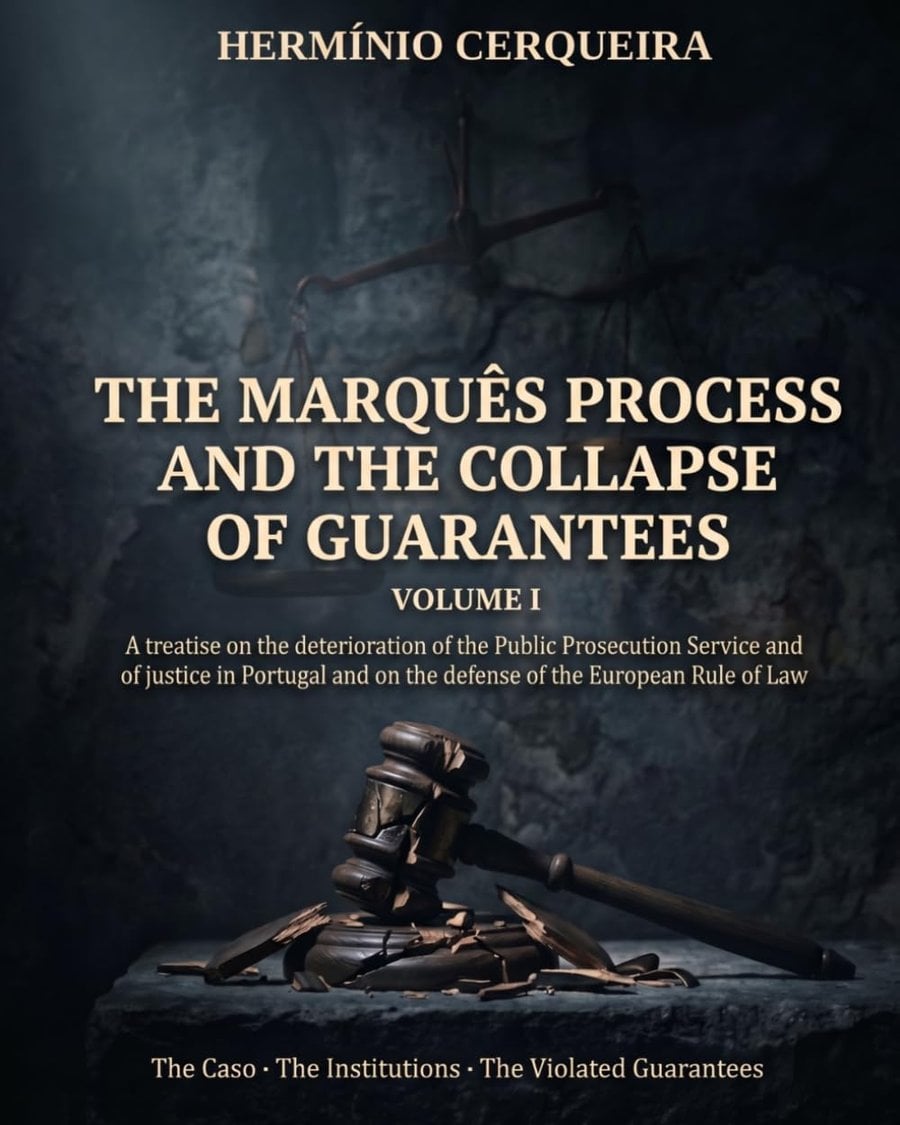
The Marquês Process and the Collapse of Guarantees · Volume 1
2026 · 815 pages
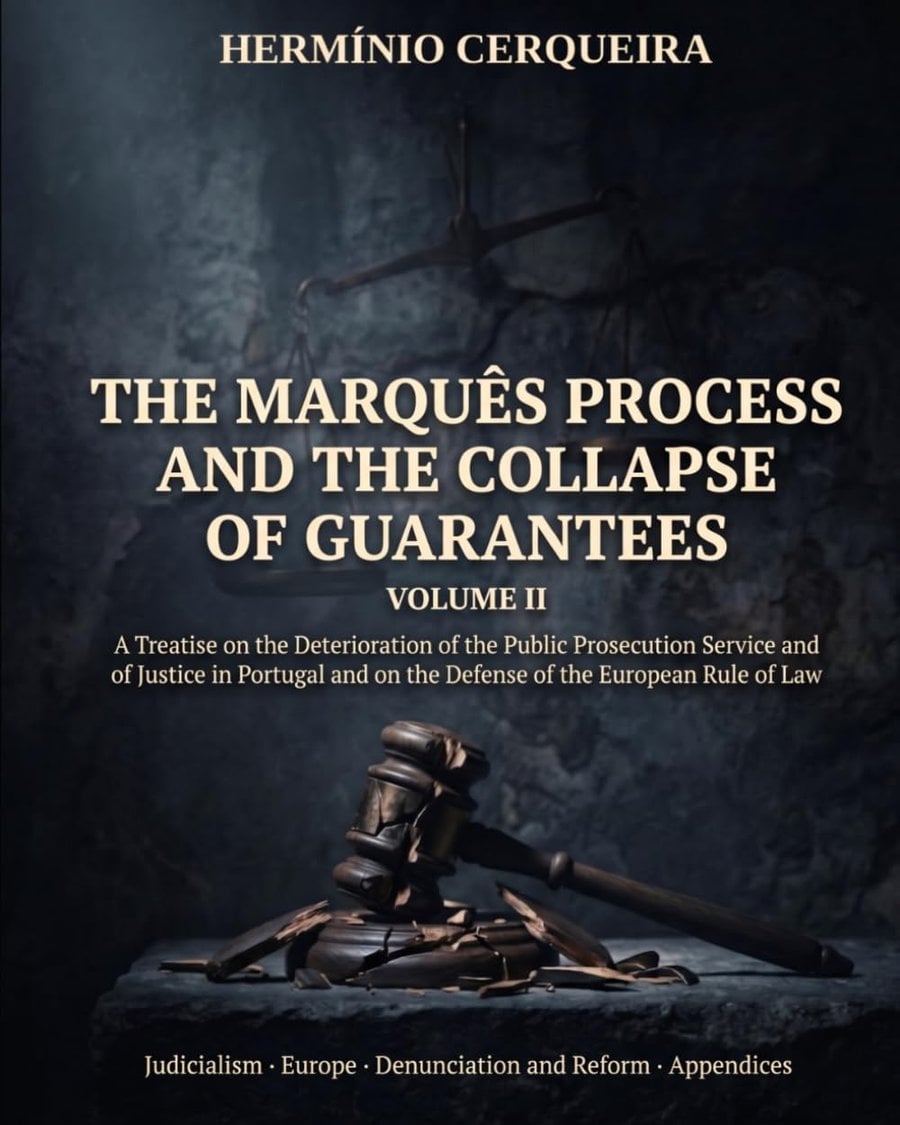
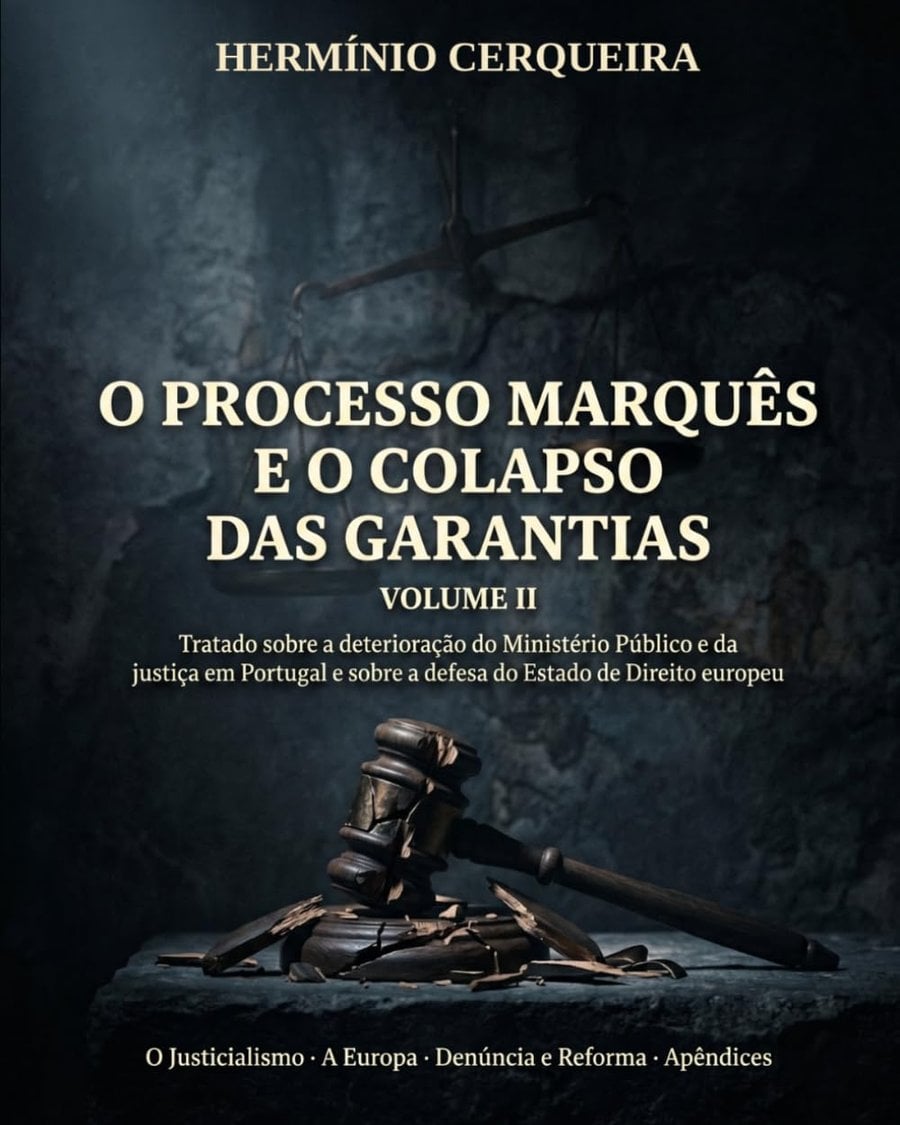
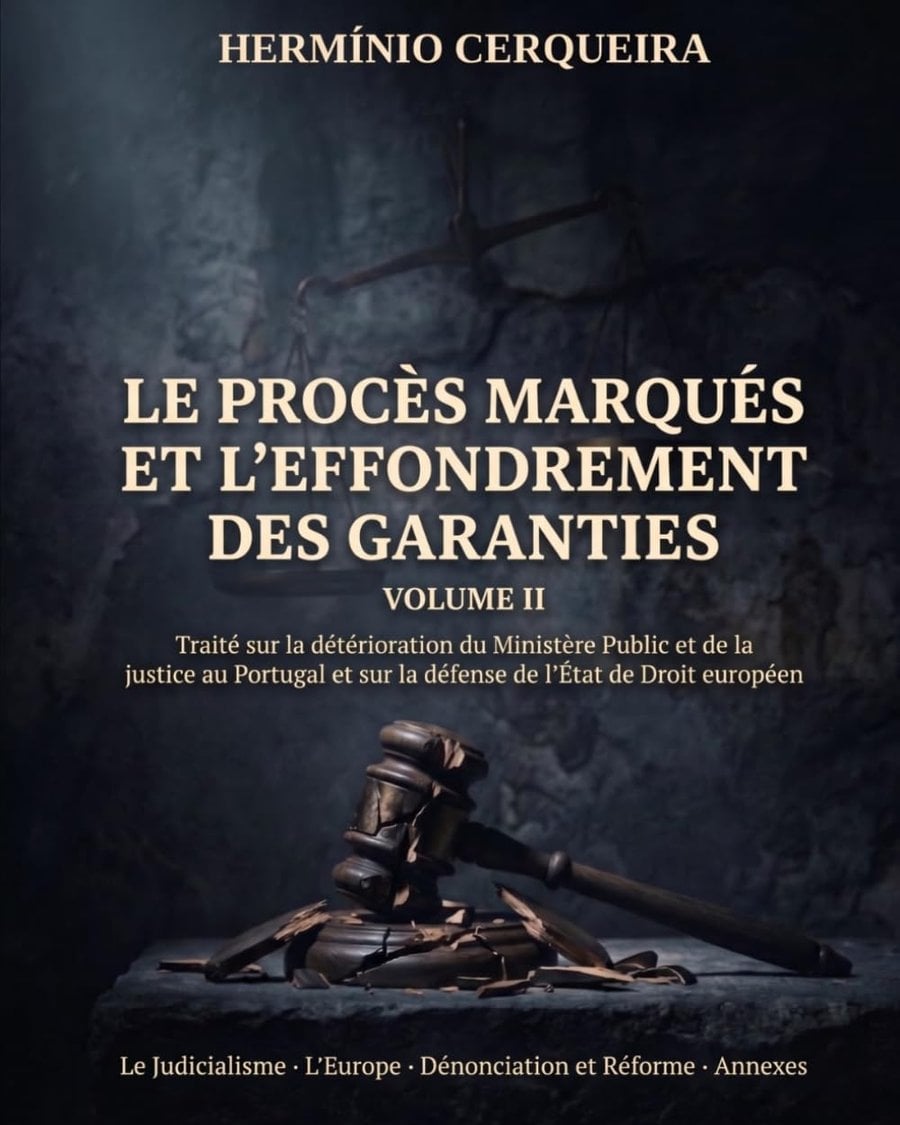
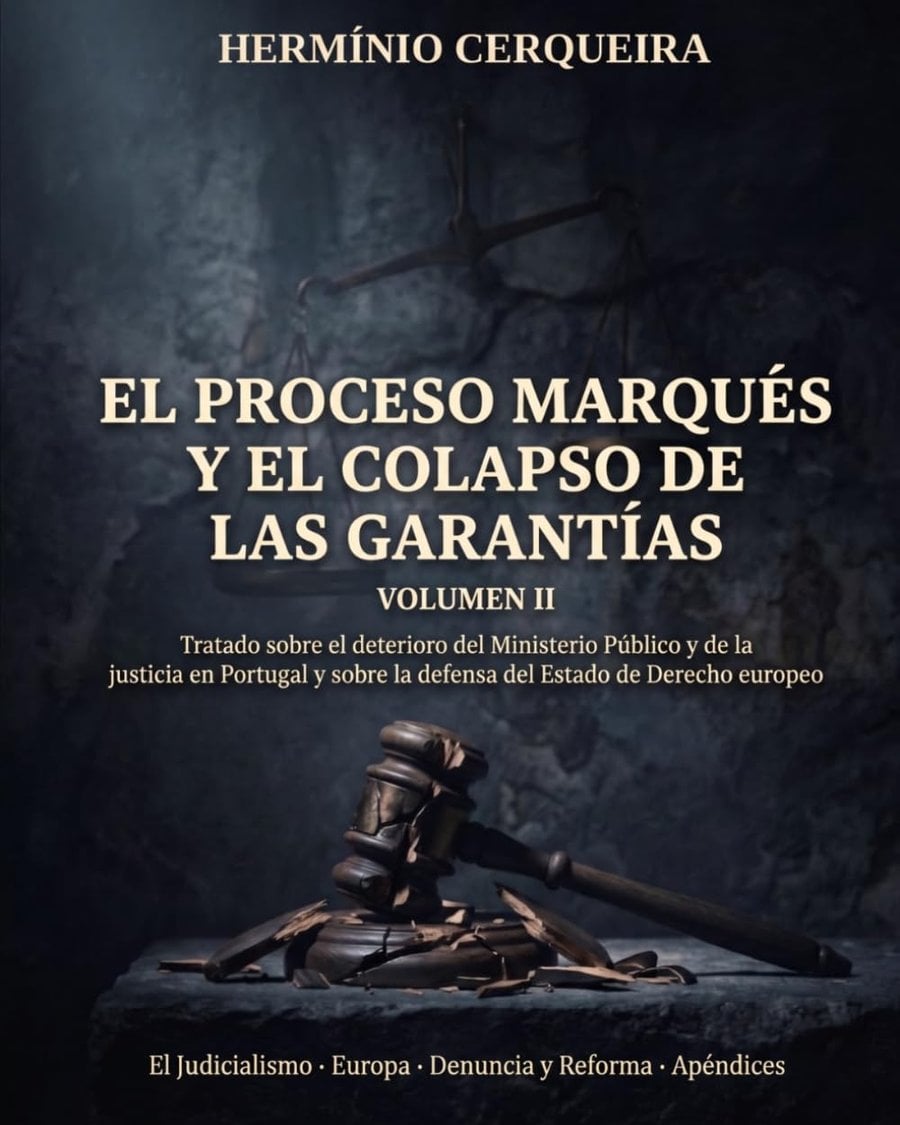
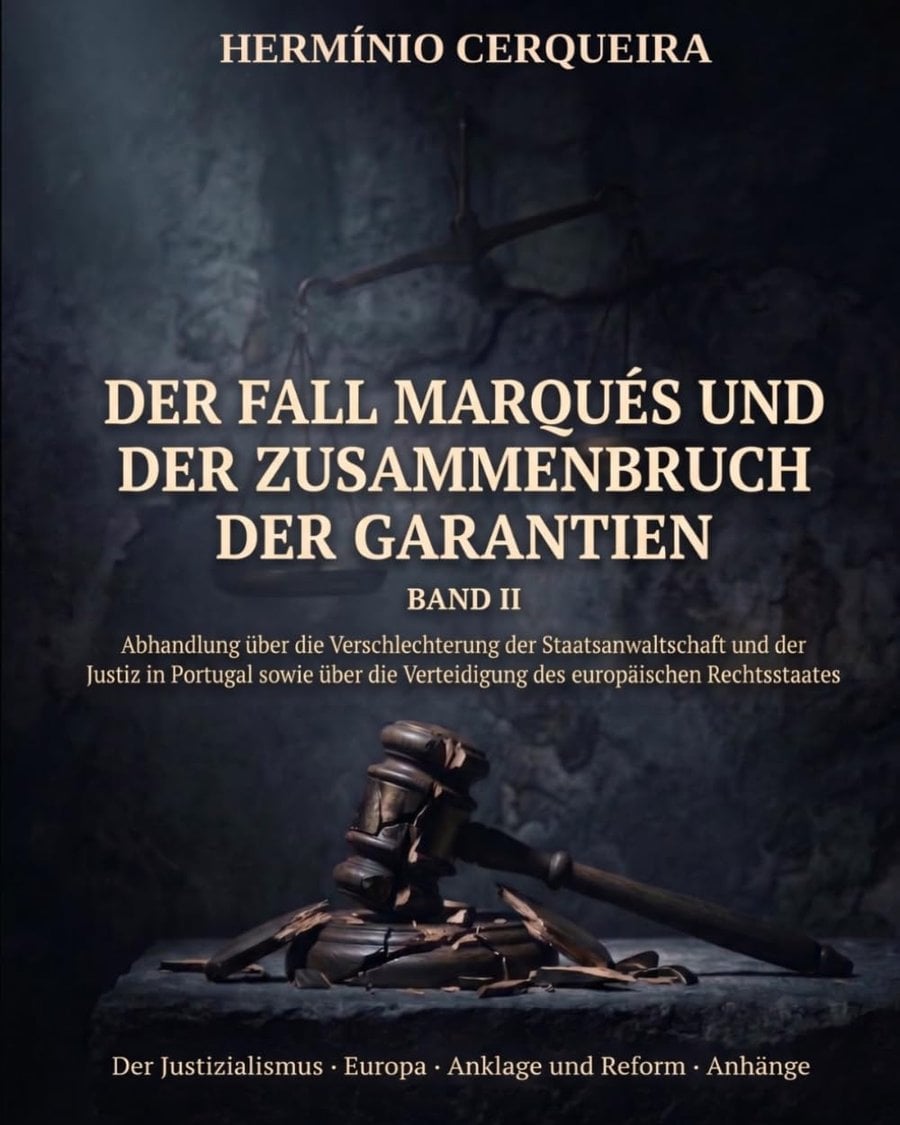
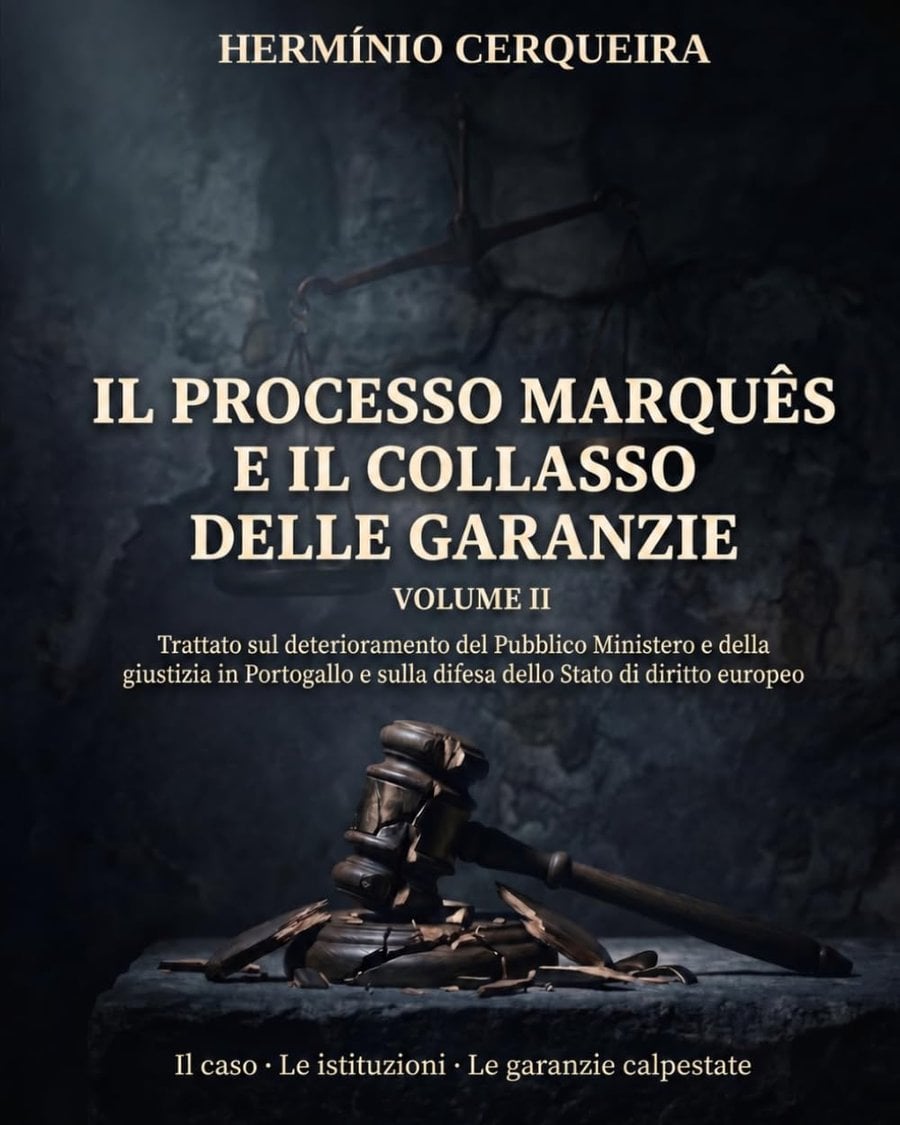
Justicialism · Europe · Denunciation and Reform
Justicialisme · Europe · Dénonciation et réforme · Annexes
Justicialismo · Europa · Denuncia y reforma · Anexos
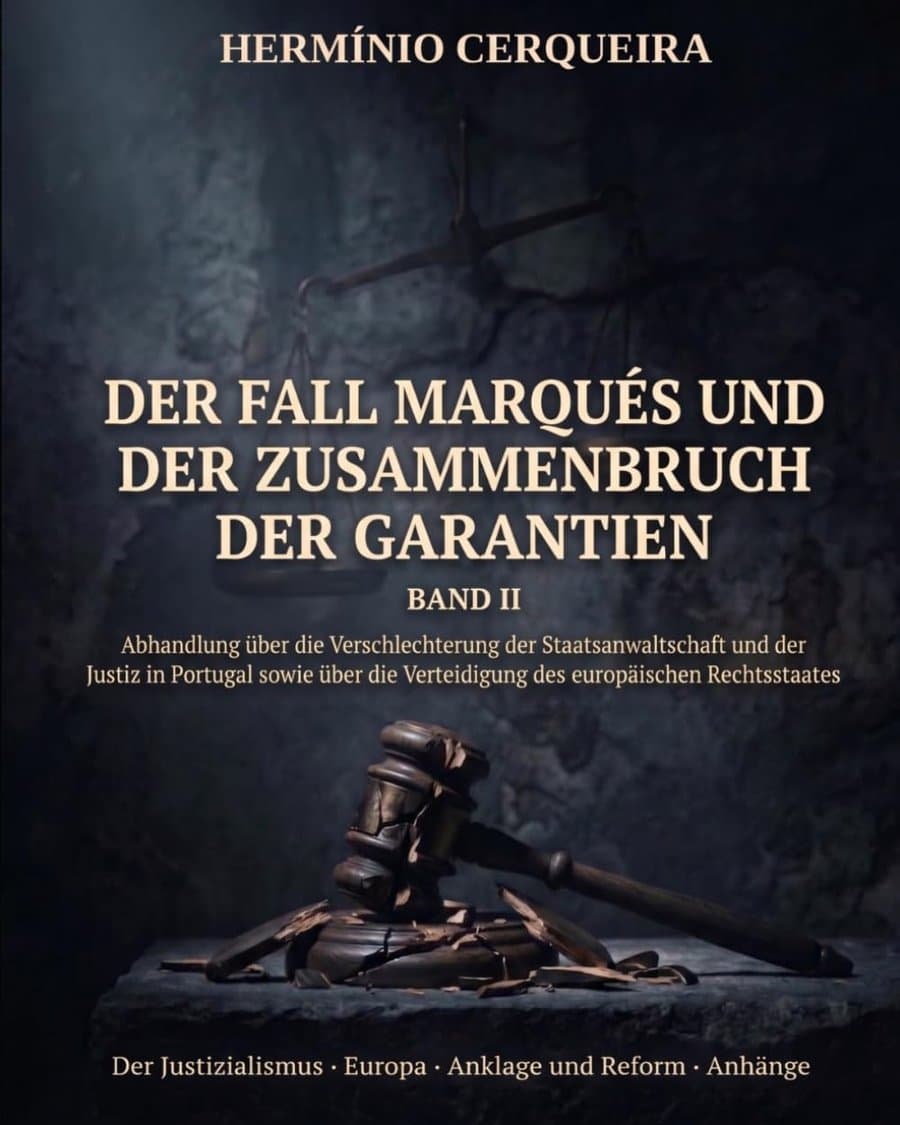
Justizialismus · Europa · Denunziation und Reform
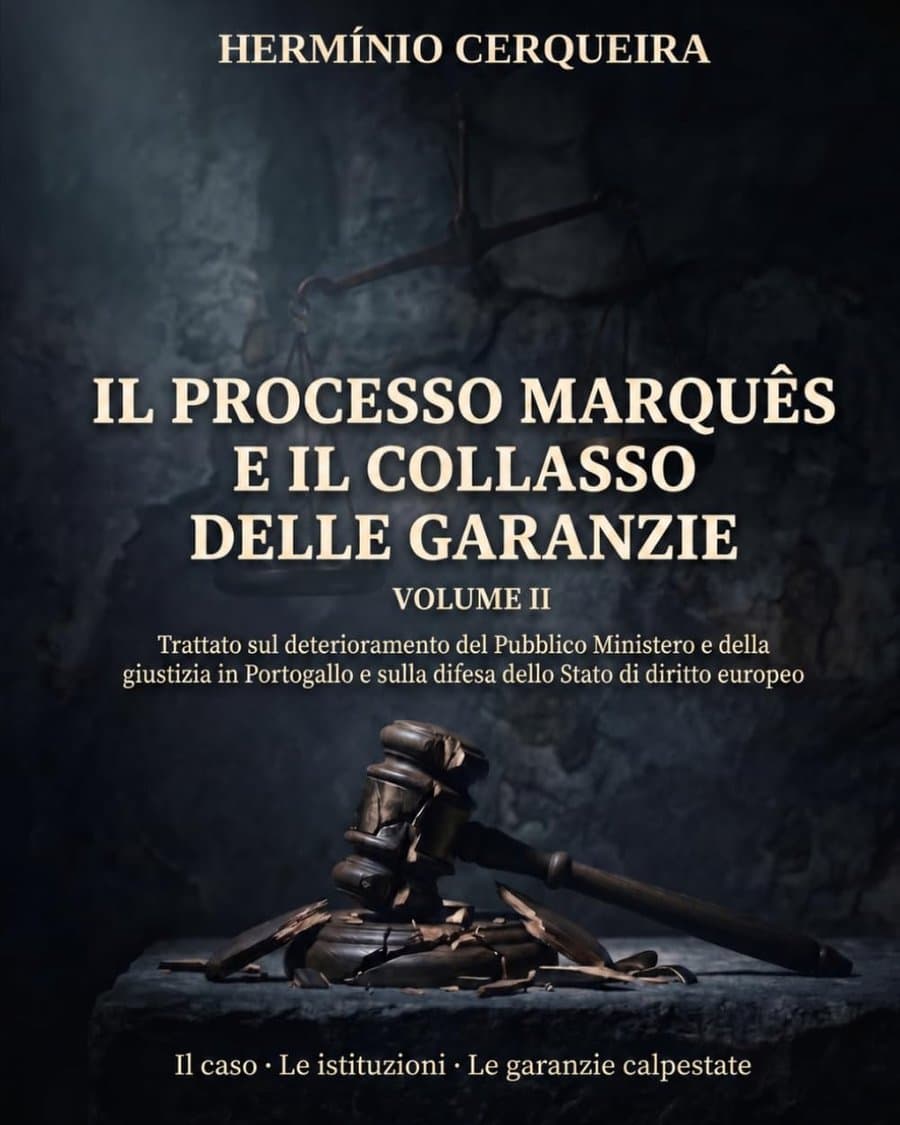
Giustizialismo · Europa · Denuncia e riforma · Appendici
Text published with the English edition (Amazon).
Treaty on the deterioration of the Public Prosecutor's Office and the justice system in Portugal and on the defense of the European rule of law.
Everything described so far—a twelve-year investigation, an eleven-month pre-trial detention, an indictment that fell apart during the preliminary hearing and was reinstated on appeal, and an investigating judge investigated by the Public Prosecutor's Office whom he had contradicted—could be read as a succession of Portuguese accidents. That would be a comforting and false interpretation. The Marquês case is a particular instance of a phenomenon that has traversed European and American democracy for the last two hundred and fifty years and accelerated in the last thirty: the transfer to the courts of expectations, functions, and conflicts that belonged to the political sphere, and the corresponding transformation of the magistrate into a moral figure in a society that has ceased to trust its other institutions. This Part reconstructs the intellectual genealogy of this shift. It does not do so out of erudition. This is done because those unfamiliar with the history of a problem tend to confuse its most recent manifestation with something new, and because the arguments invoked in Portugal today to justify what was described in Books I to III—the exceptional nature of corruption, the insufficiency of ordinary means, the need for a justice system that “reaches everyone”—have already been formulated, tested, and refuted in other latitudes and centuries. Four chapters: Montesquieu and the fundamental distrust of the judge; Tocqueville, Lambert, and the “government of judges”; the judicialization of politics as an object of political science; and Luigi Ferrajoli's legal guarantees as an available theoretical response.
Chapter 96. Montesquieu and the fear of the judge
There is a phrase by Montesquieu that everyone quotes and almost no one has read in its context: that judges are nothing but "the mouth that pronounces the words of the law." Depending on the context, it serves to accuse the naive positivism of the 18th century or to denounce the arrogance of 21st-century judges. In neither use is the essential question asked: what exactly was the president of the Bordeaux parliament afraid of when he wrote that—and was that fear reasonable?
What matters is not the taxonomy, which is trivial, but the definition of freedom that underpins it. For Montesquieu, "political liberty in a citizen is that tranquility of mind which comes from the opinion each one has of his own security; and, in order to have this liberty, it is necessary that the government be such that one citizen cannot fear another citizen [2]." Freedom here is not a power to act; it is an absence of fear. And the fear in question is not the fear of a distant tyrant: it is the fear of the neighbor, the informer, the magistrate who may knock on the door tomorrow.
Hence the decisive formulation, which is usually quoted in truncated form: “There is still no liberty if the power to judge is not separated from the legislative and executive powers. If united with the legislative power, the power over the life and liberty of citizens would be arbitrary, for the judge would be a legislator. If united with the executive power, the judge could have the force of an oppressor [3].” Note the asymmetry: when Montesquieu describes the fusion of the judiciary with the legislature, the result is the arbitrary ; when he describes the fusion with the executive, the result is the oppressive . In both cases, the danger has the face of a judge.
Tudo o que se descreveu até aqui — um inquérito de doze anos, uma prisão preventiva de onze meses, uma acusação que se desfez na instrução e voltou a montar-se em recurso, um juiz de instrução investigado pelo Ministério Público que ele contrariara — poderia ler-se como uma sucessão de acidentes portugueses. Seria uma leitura consoladora e falsa.
— O Processo Marquês e o Colapso das Garantias — Volume 2
Original text in Portuguese.
Source: publisher’s description of the Portuguese edition (Amazon).
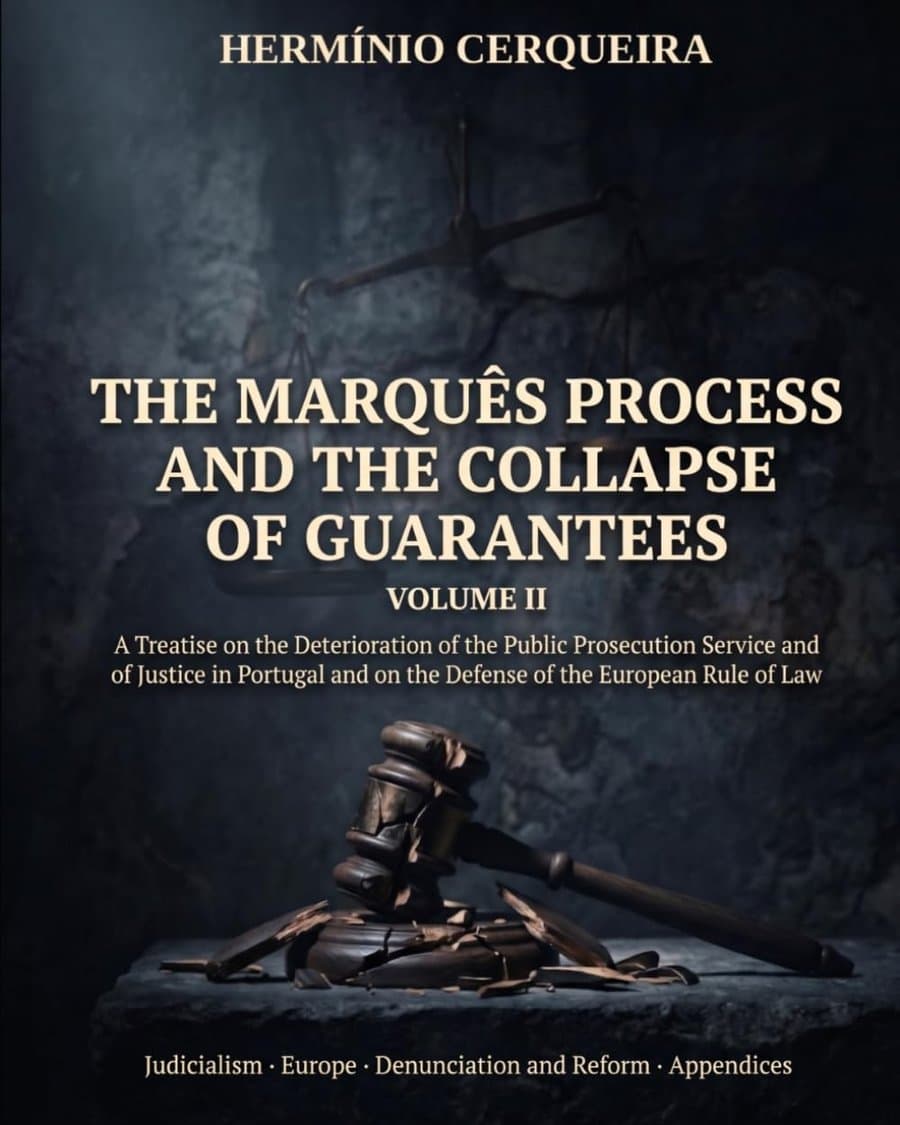
English edition:
The Marquês Process and the Collapse of Guarantees
617 pagesKindle and paperback
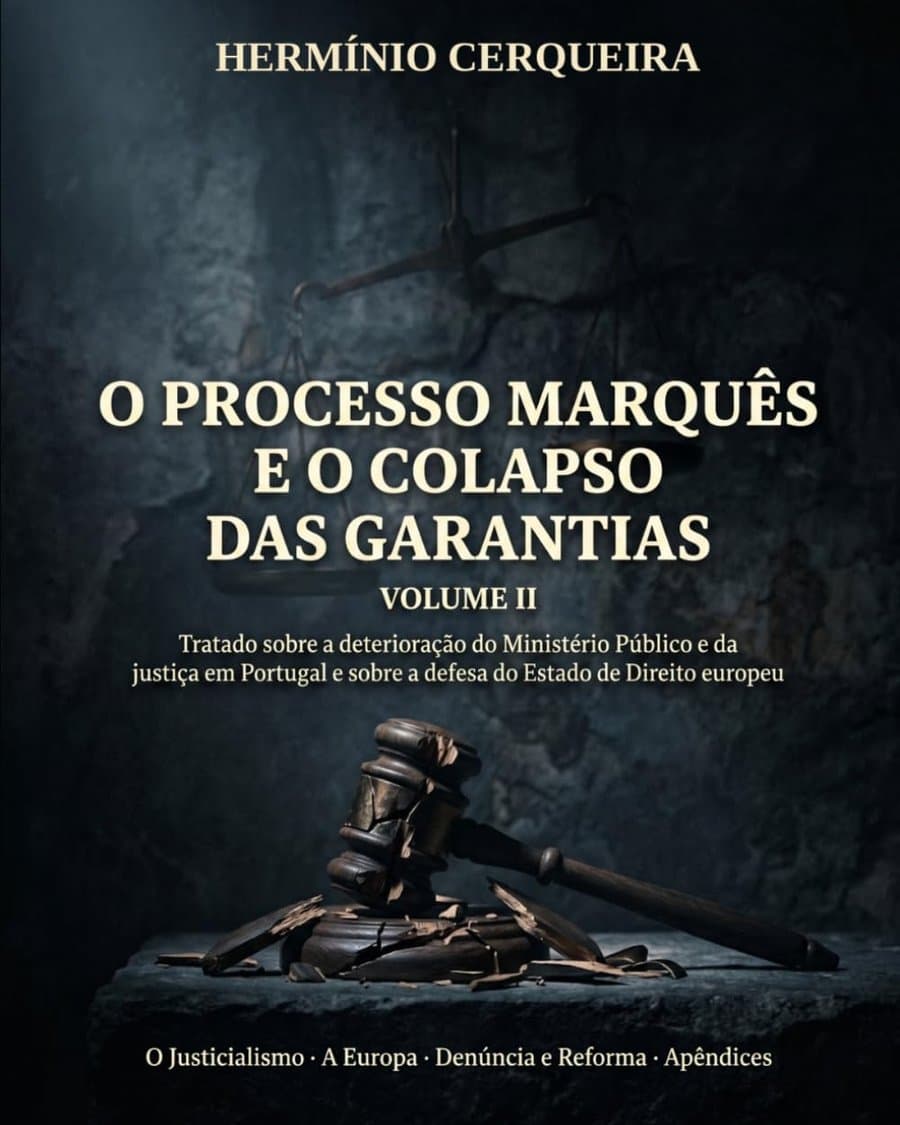
Portuguese edition:
O Processo Marquês e o Colapso das Garantias
616 pagesKindle and paperback
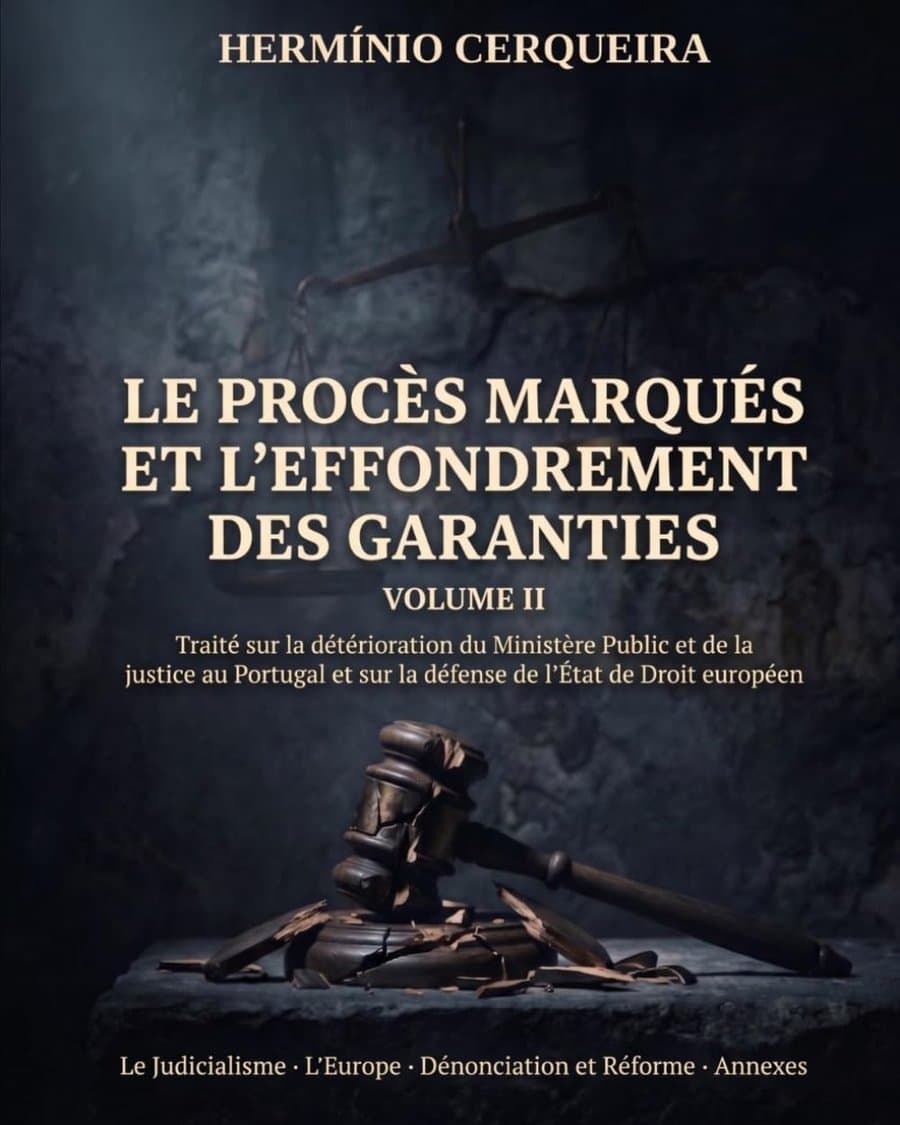
French edition:
Le processus Marquês et l’effondrement des garanties
644 pagesKindle and paperback
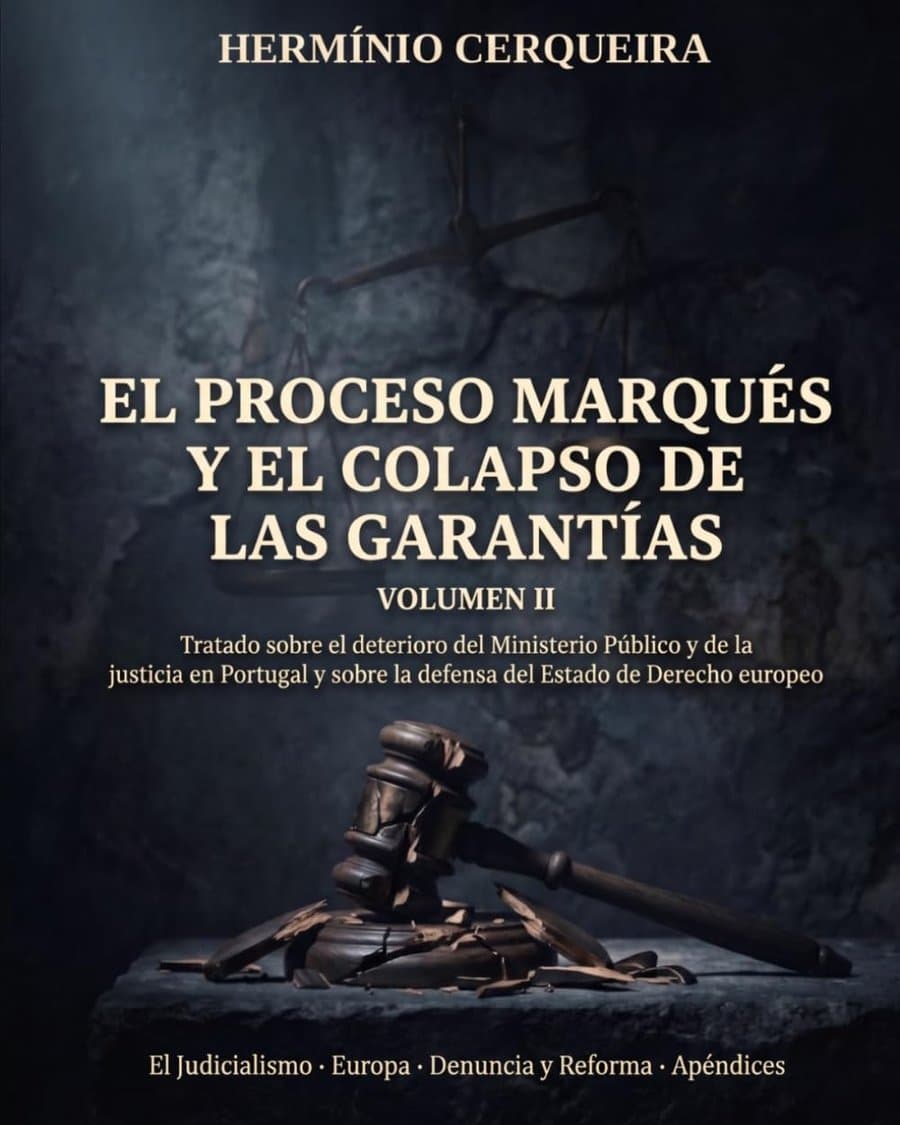
Spanish edition:
El proceso Marquês y el colapso de las garantías
643 pagesKindle and paperback
German edition:
Der Marquês-Prozess und der Zusammenbruch der Garantien
683 pagesKindle and paperback
Italian edition:
Il Processo Marquês e il crollo delle garanzie
643 pagesKindle and paperback
2026 · 815 pages

2026 · 791 pages