Democracy, Populism, and Post-truth
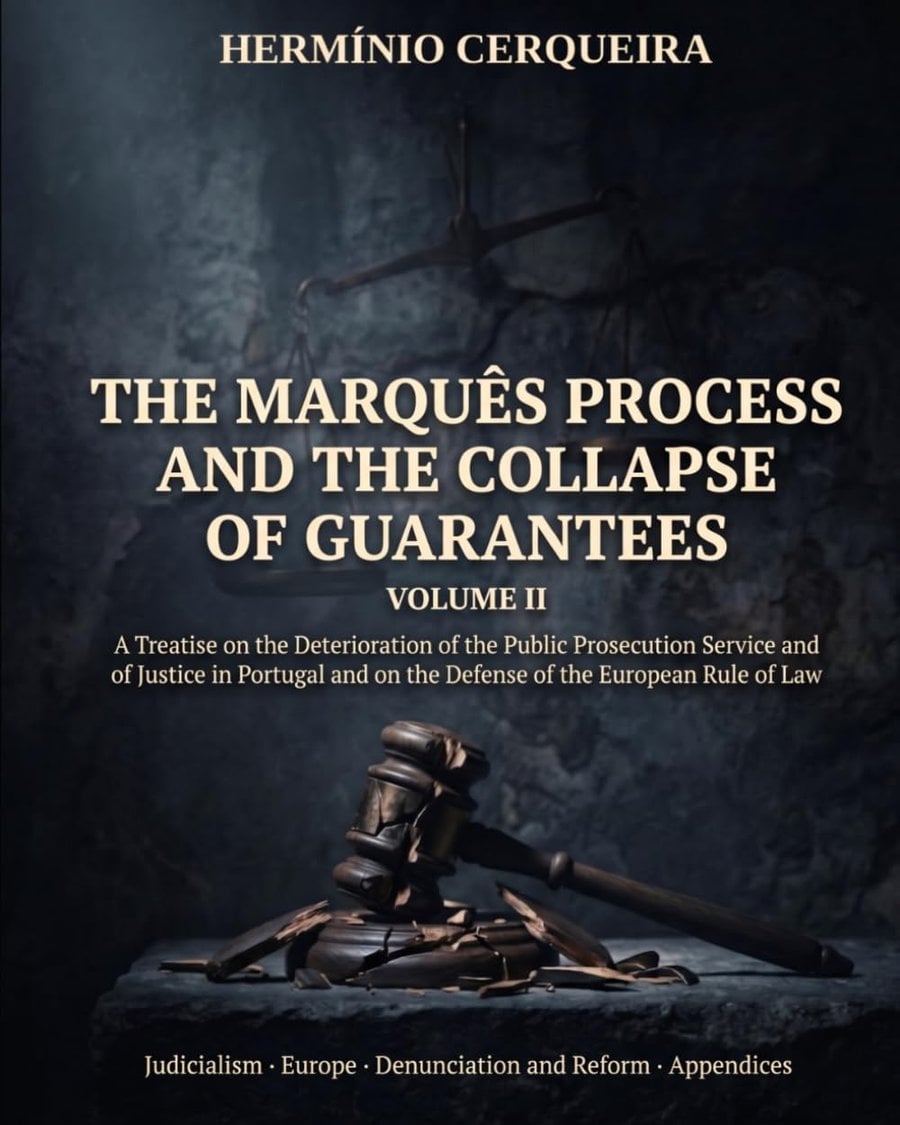
The Marquês Process and the Collapse of Guarantees · Volume 2
2026 · 617 pages
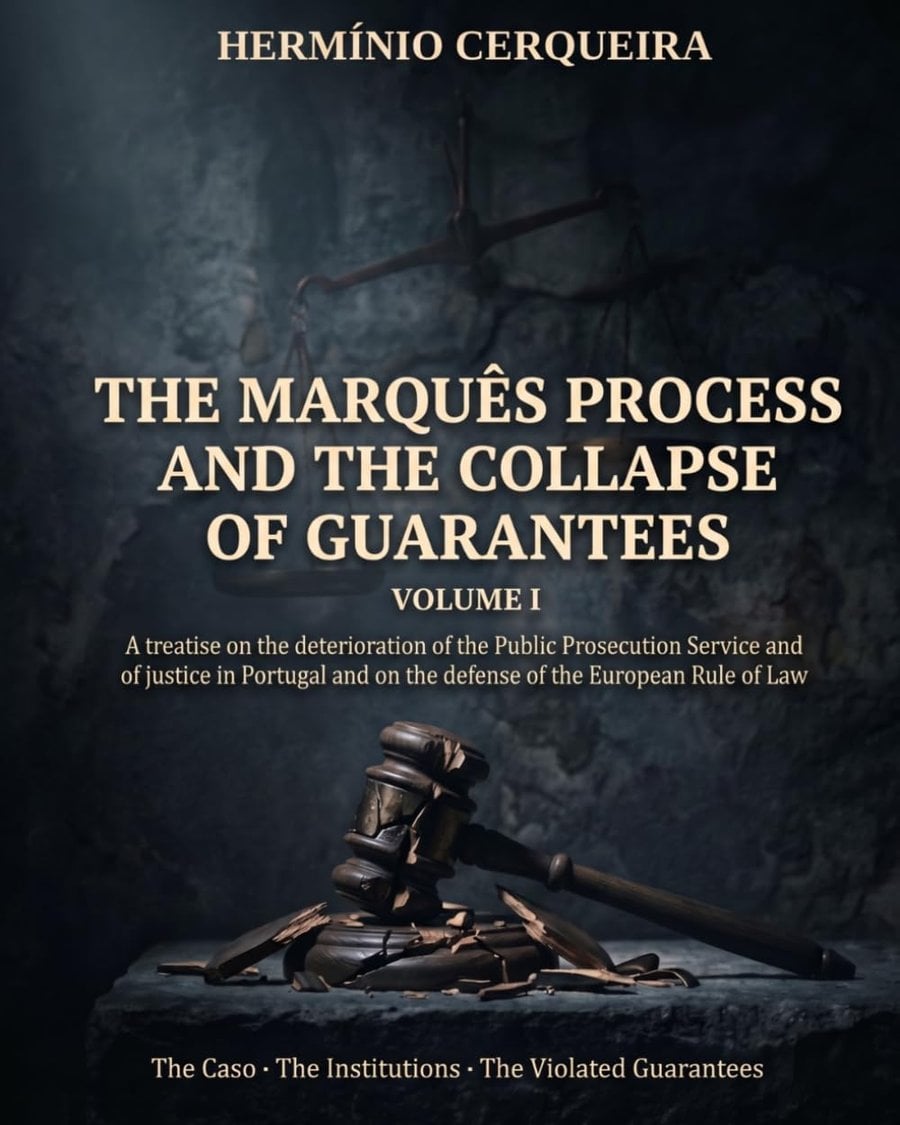
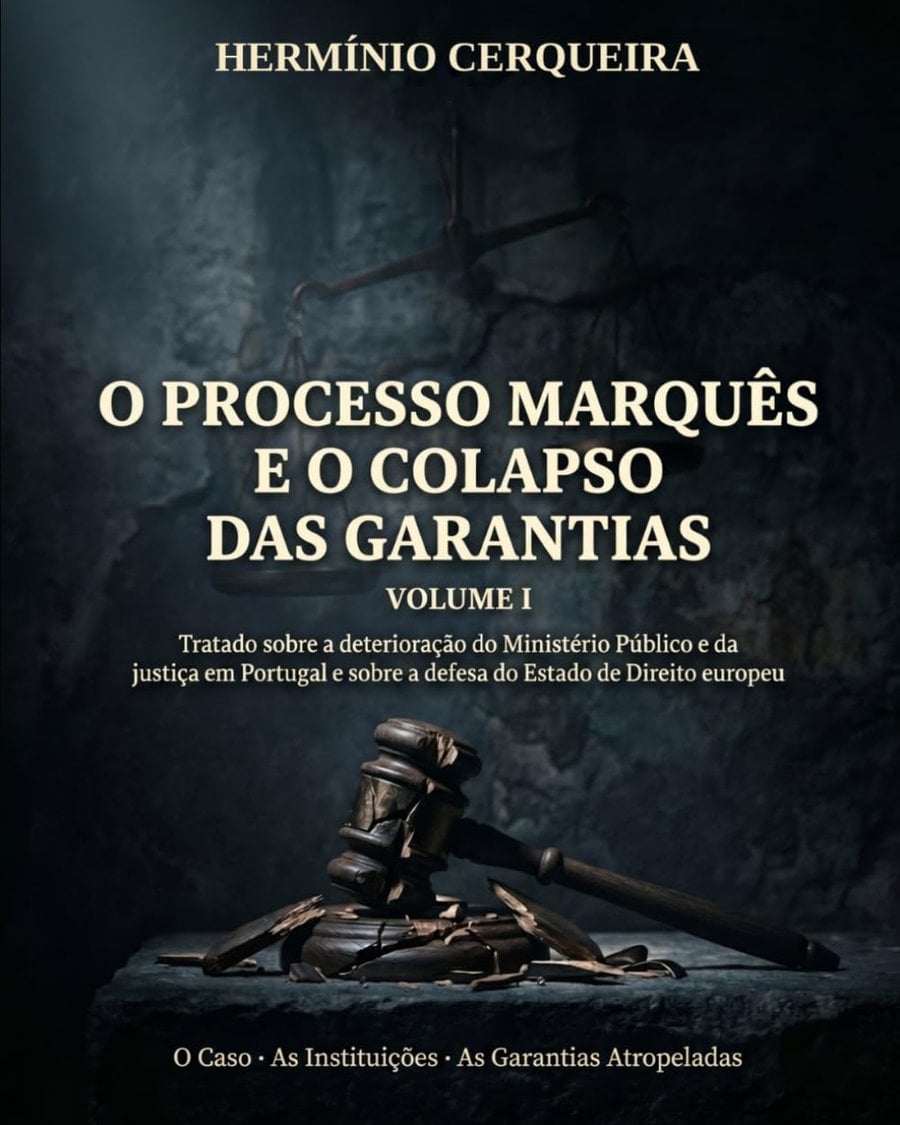
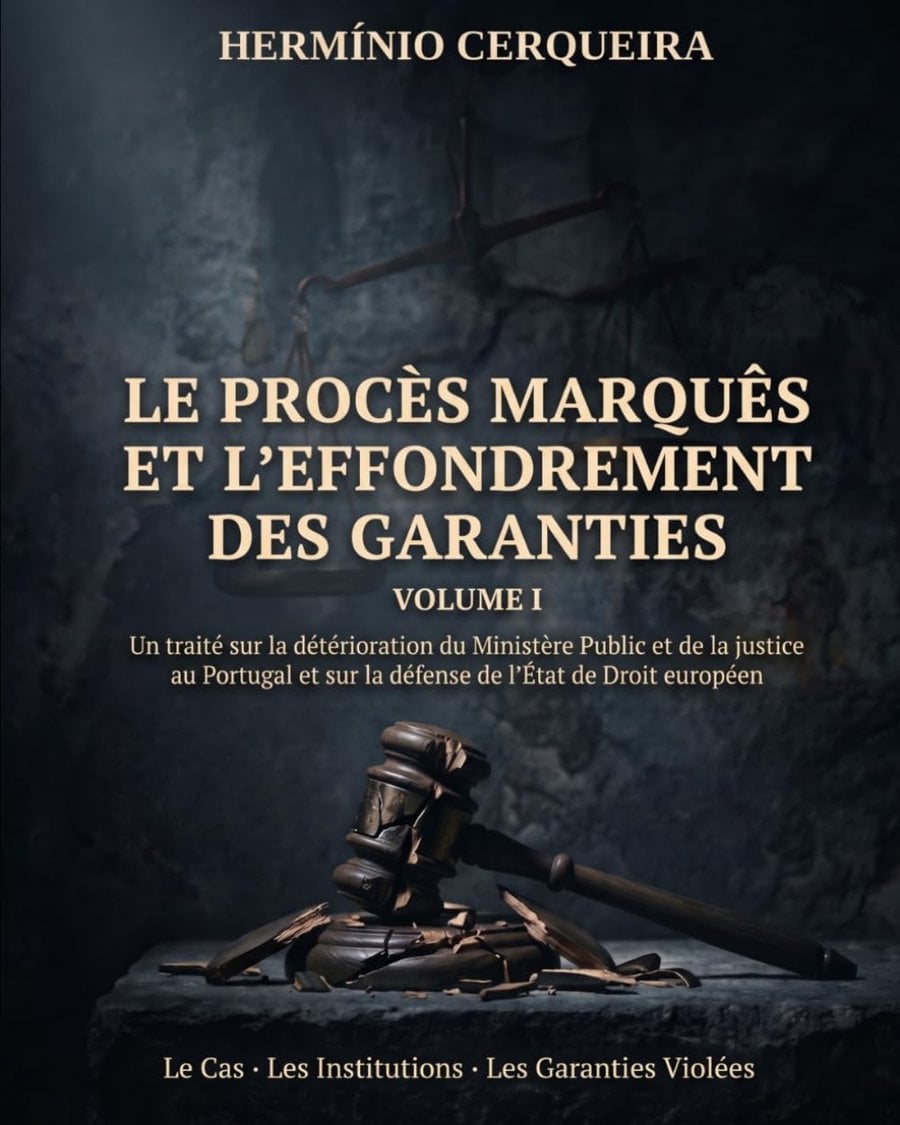
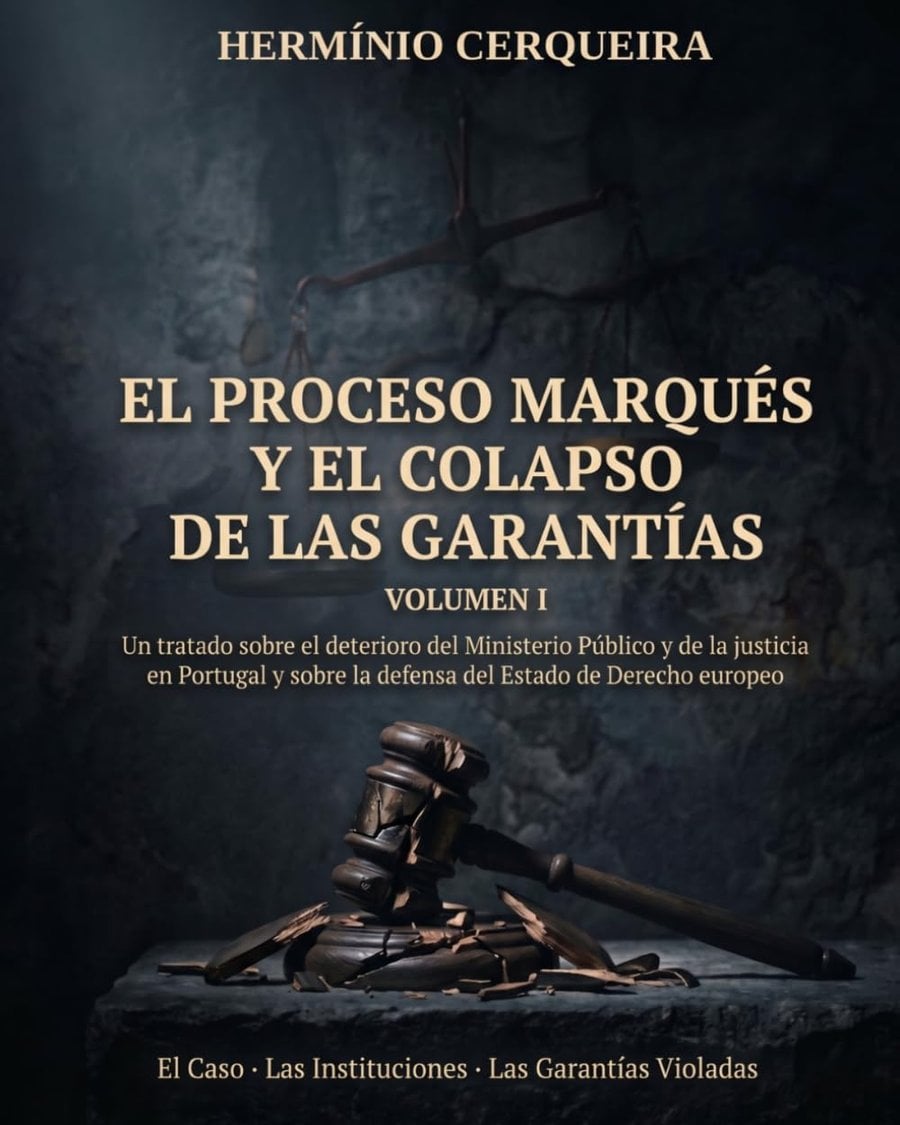
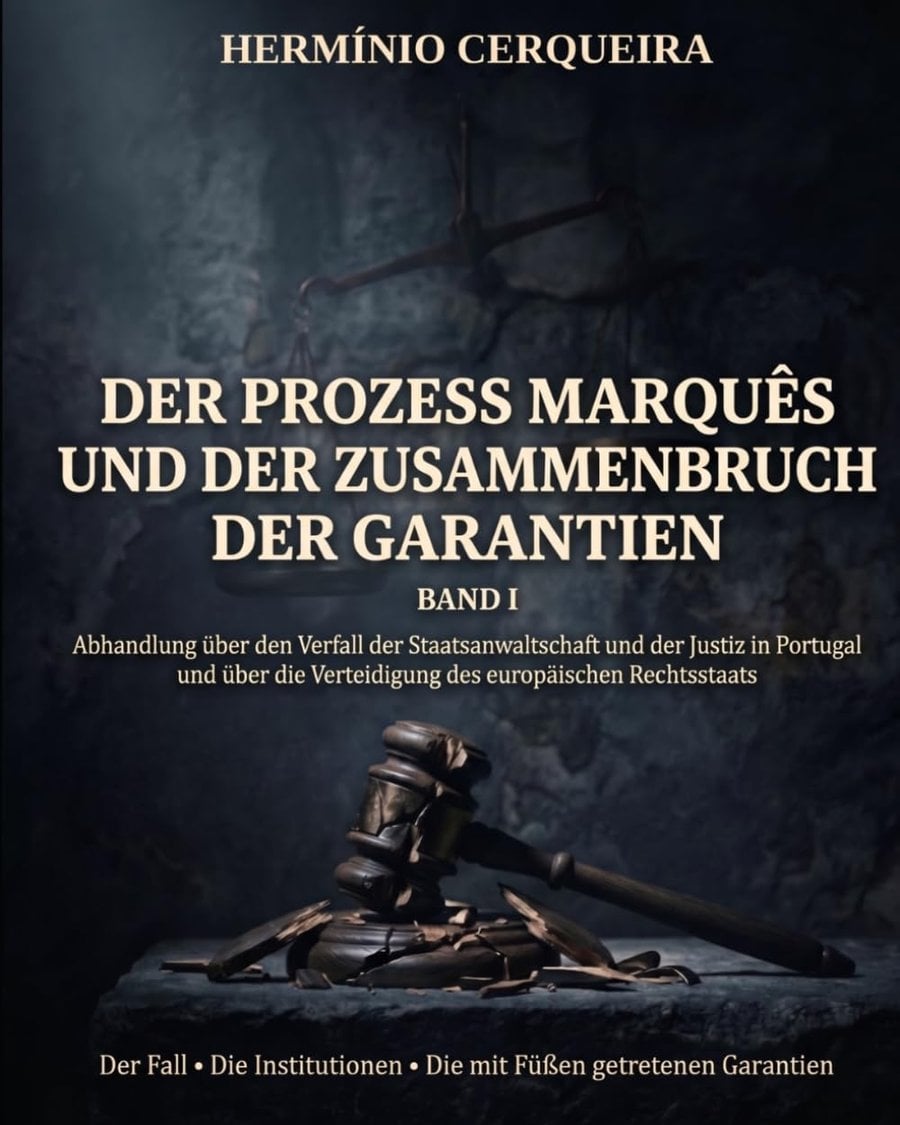
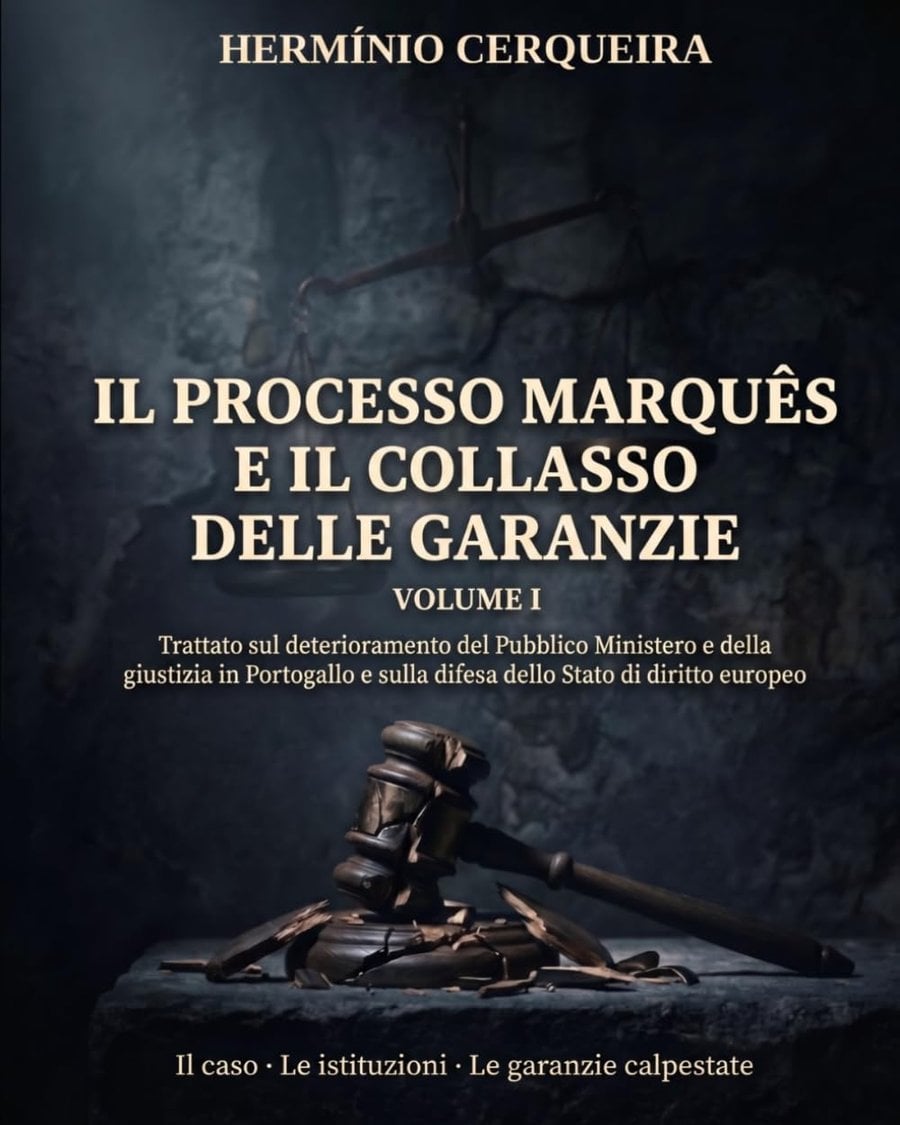
The Case · The Institutions · The Trampled Guarantees
L’affaire · Les institutions · Les garanties bafouées
El caso · Las instituciones · Las garantías pisoteadas
Der Fall · Die Institutionen · Die verletzten Garantien
Il caso · Le istituzioni · Le garanzie calpestate
Text published with the English edition (Amazon).
Treaty on the deterioration of the Public Prosecutor's Office and the justice system in Portugal and on the defense of the European rule of law.
"There is no tyranny more cruel than that which is exercised in the shadow of the law and under the guise of justice."
Montesquieu, De l'esprit des lois , Book VI
"The Union is founded on the values of respect for human dignity, freedom, democracy, equality, the rule of law and respect for human rights."
Article 2 of the Treaty on European Union
"Criminal procedure is applied constitutional law."
Jorge de Figueiredo Dias, following in Henkel's footsteps
"Legal guarantees are not the opposite of effectiveness: they are the only form of effectiveness compatible with democracy."
Luigi Ferrajoli, Diritto e ragione
This book does not defend José Sócrates. This must be stated on the first page, because everything that follows will be read in light of this statement, and because the confusion between defending a person and defending a rule is precisely the disease that is diagnosed here.
This book defends a rule. It defends the rule according to which a state that calls itself a state of law can only deprive someone of their liberty, honor, and time of life through a pre-defined process, conducted by a pre-established court, with pre-set deadlines, under the scrutiny of a public previously informed of what is fact and what is suspicion. It defends the rule according to which suspicion is not proof, accusation is not conviction, delay is not neutrality, and exposure is not legitimate punishment. In short, it defends what European states wrote into their constitutions after having seen firsthand what happens when these rules are dispensed with for convenience.
The question this book poses is not "Is José Sócrates innocent?". That question belongs to the court judging him, and this book neither answers nor intends to answer it. The question this book poses is different, and more uncomfortable: if the Portuguese State had deliberately decided to demonstrate its ability to conduct a criminal trial by repeatedly violating almost all the guarantees enshrined in the Constitution of the Republic and the European Convention on Human Rights, would it have done something substantially different from what it did in this trial?
It's a question that can be asked without any sympathy for the accused. In fact, it should be asked especially when there is no sympathy for the accused, because that's precisely when guarantees are useful. Procedural guarantees weren't written to protect sympathetic innocents. They were written to protect unsympathetic guilty parties—because only by protecting them can everyone be protected. A system that only respects guarantees when the accused is agreeable doesn't have guarantees: it has courtesies.
There is a second clarification to be made, also on the first page.
Corruption is a serious crime. In Portugal, it is a serious crime that is insufficiently prosecuted, and the author of these pages has no interest in it remaining that way. Corruption destroys trust, increases the cost of the state, erodes equality, and transforms politics into a marketplace. Combating it is a constitutional and European obligation, and no line of this book should be read as an argument for tolerating it.
But that is precisely why the way corruption is fought matters so much. No criminal justice system loses credibility faster than one that promises everything and delivers statutes of limitations. No fight against corruption fails more completely than one that, after thirteen years, has not produced a single final conviction, but has produced a ruined person, a judge under surveillance, a divided country, and a trial in Strasbourg. Legalis....
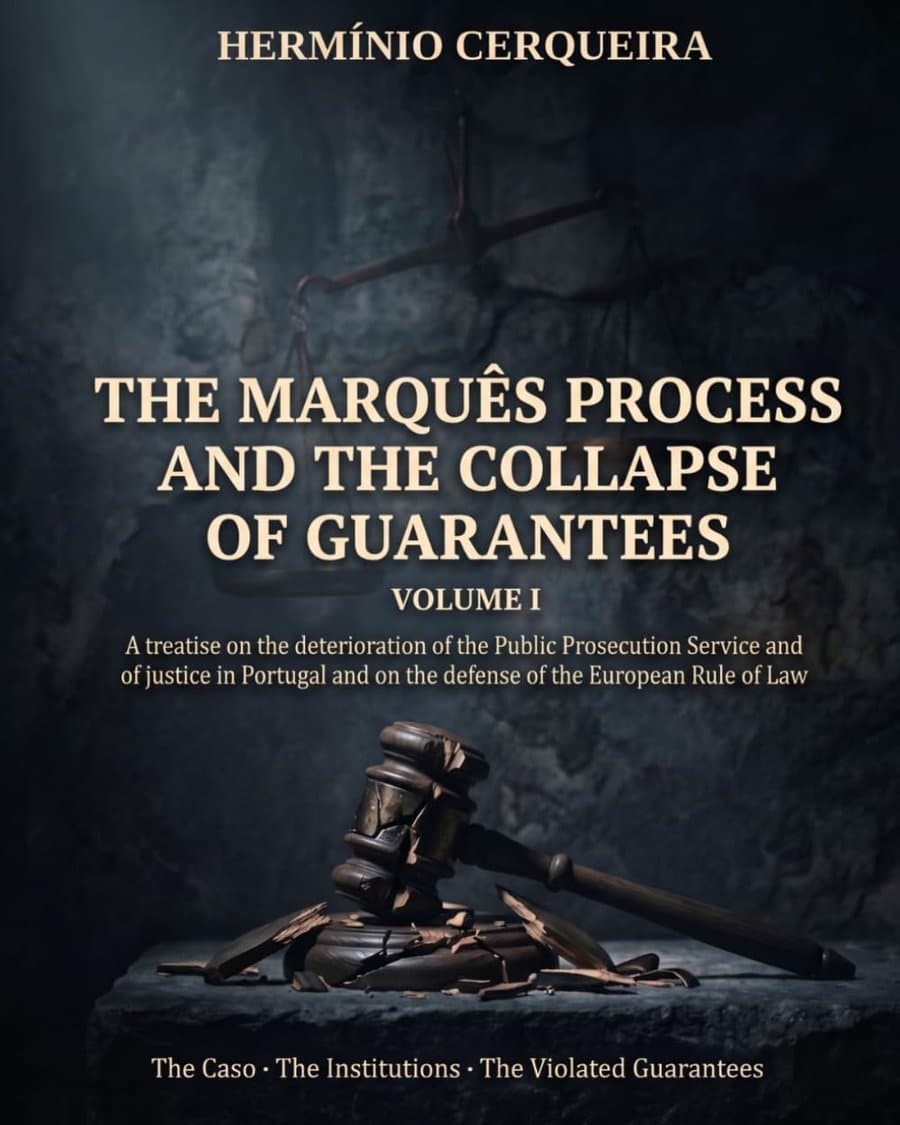
English edition:
The Marquês Process and the Collapse of Guarantees
815 pagesKindle and paperback
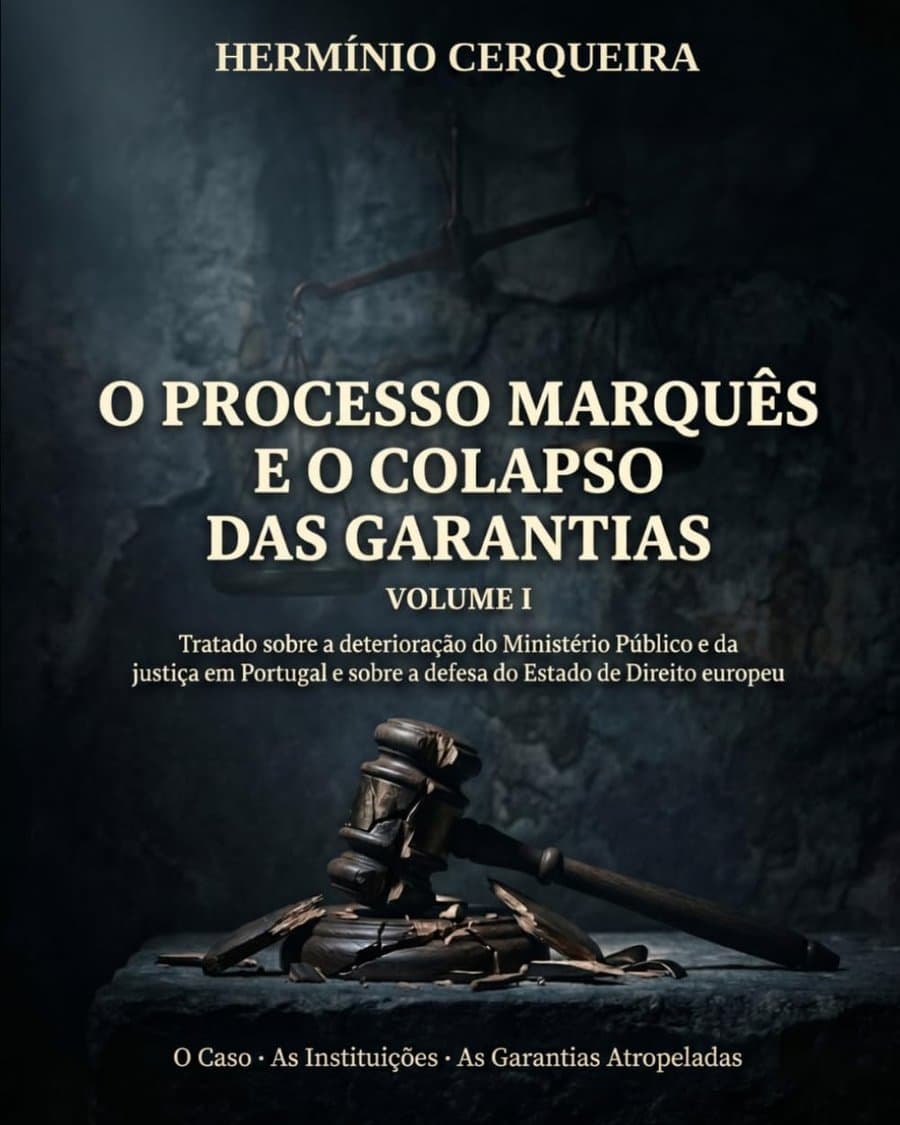
Portuguese edition:
O Processo Marquês e o Colapso das Garantias
708 pagesKindle and paperback
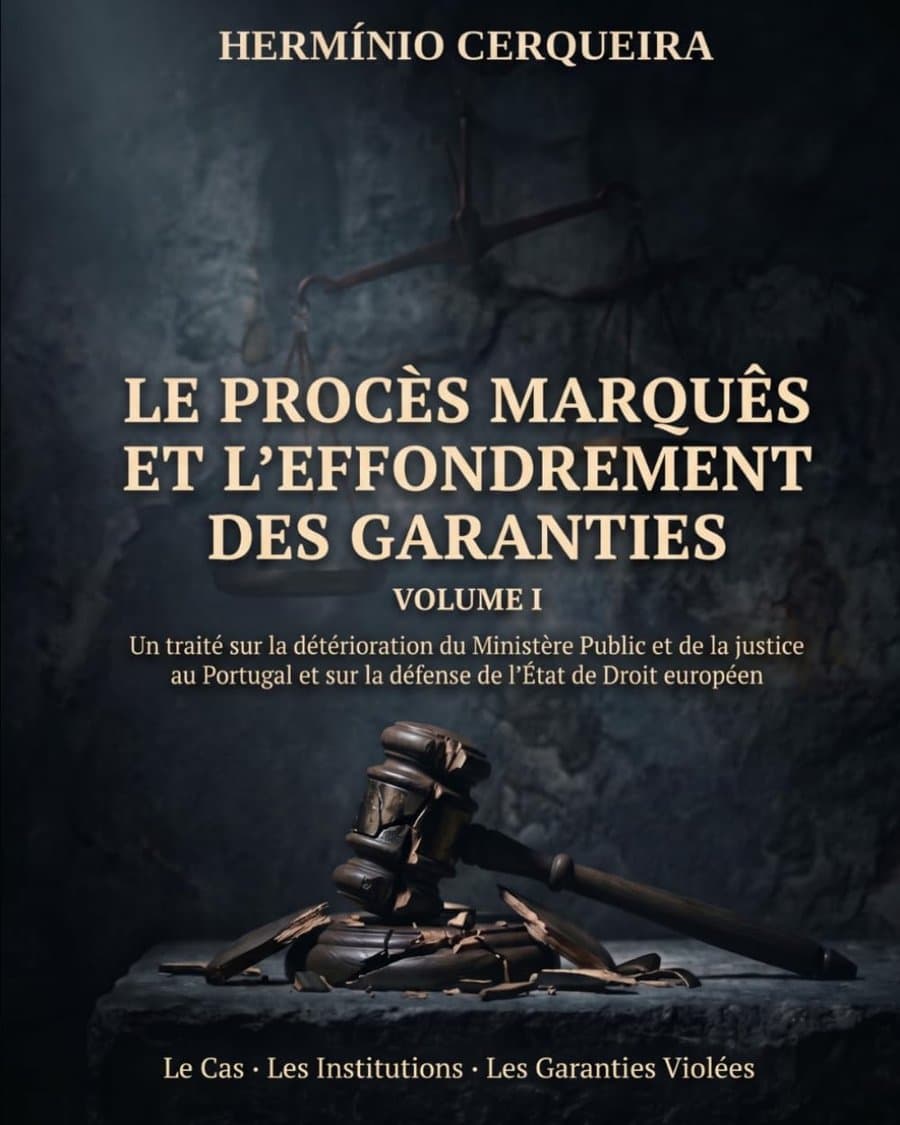
French edition:
Le processus Marquês et l’effondrement des garanties
727 pagesKindle and paperback
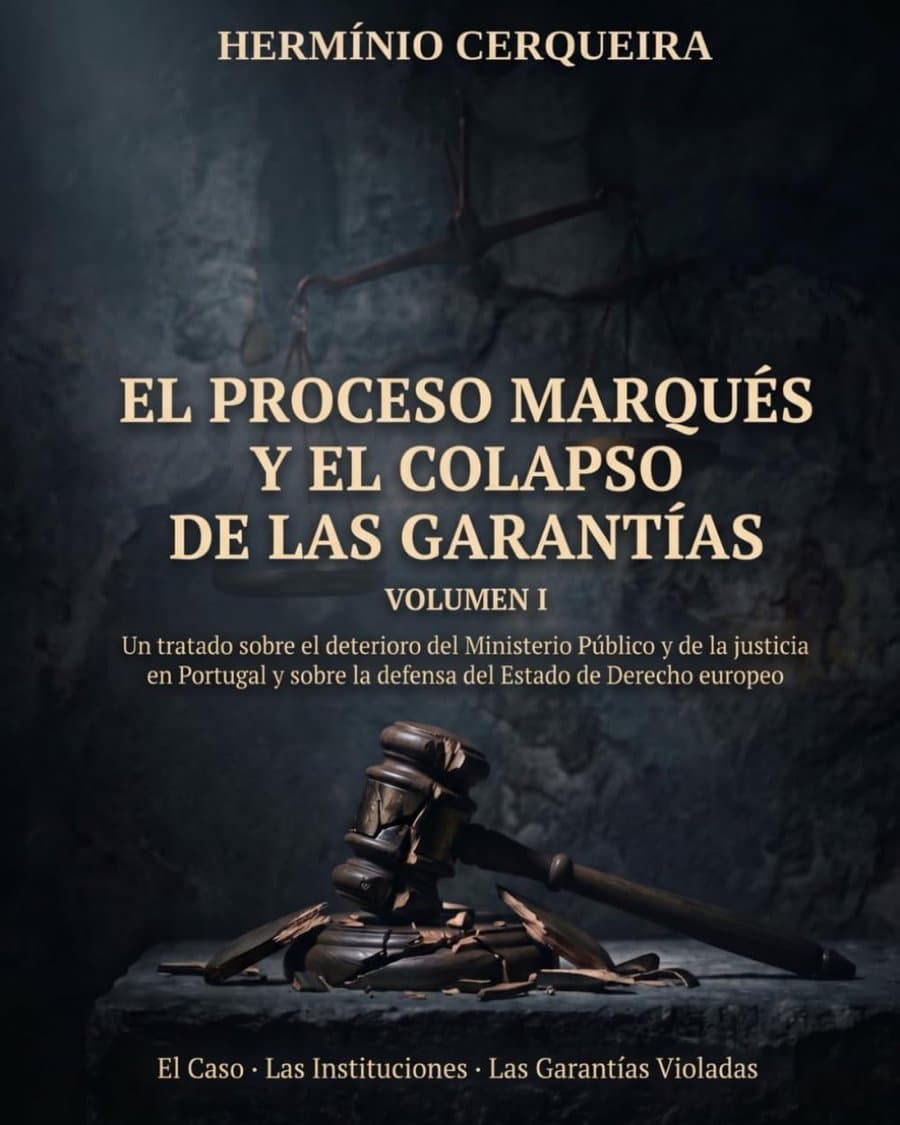
Spanish edition:
El proceso Marquês y el colapso de las garantías
724 pagesKindle and paperback
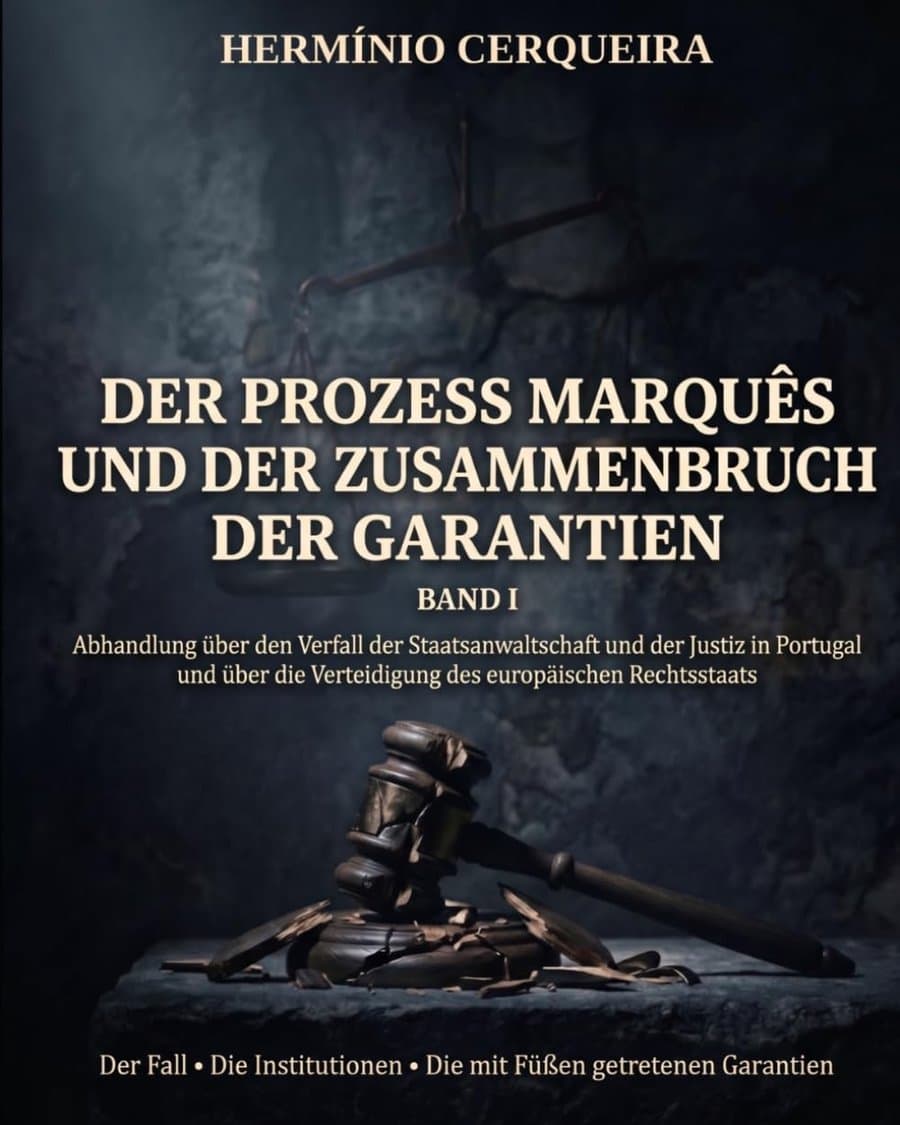
German edition:
Der Marquês-Prozess und der Zusammenbruch der Garantien
770 pagesKindle and paperback
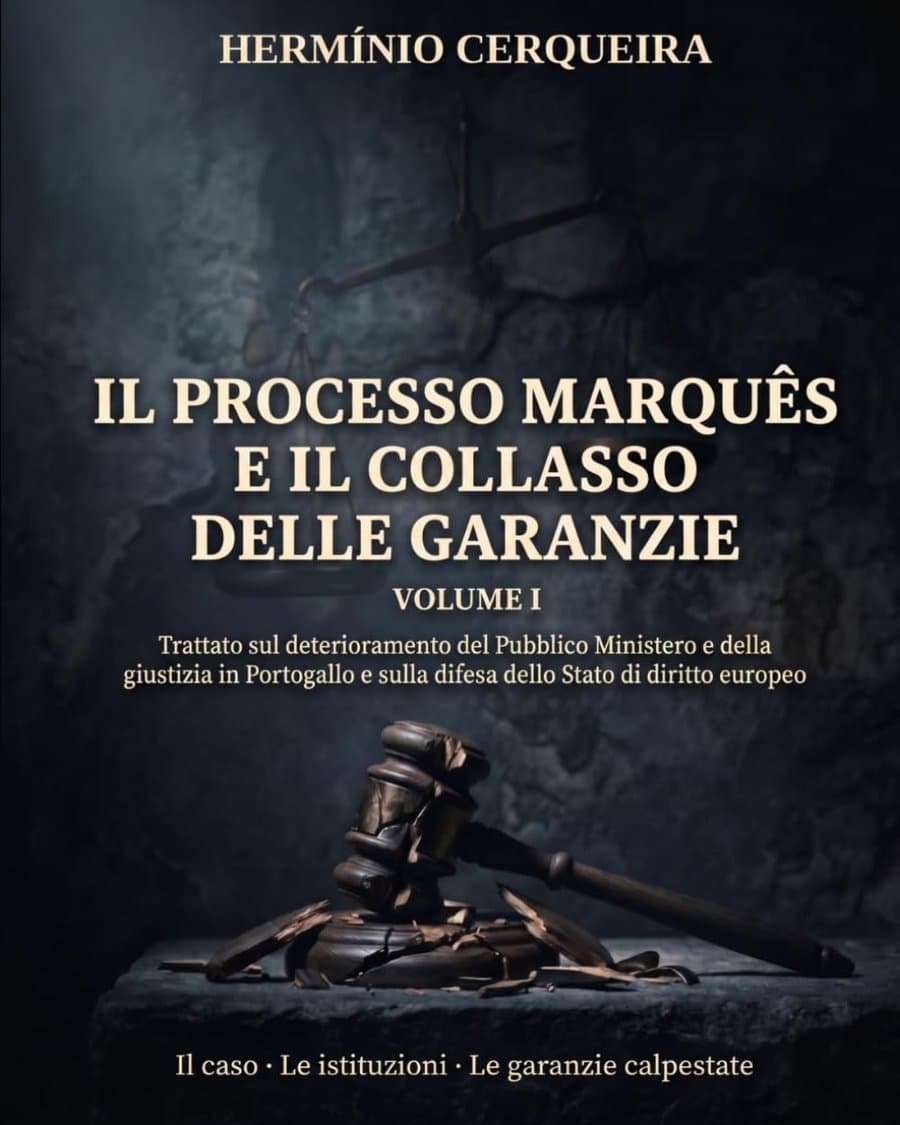
Italian edition:
Il Processo Marquês e il crollo delle garanzie
728 pagesKindle and paperback
2026 · 617 pages
2026 · 791 pages