Skip to content

Ideas · Theme

Ethics and society

Dignity, freedom, memory, and responsibility in a time of uncertainty.
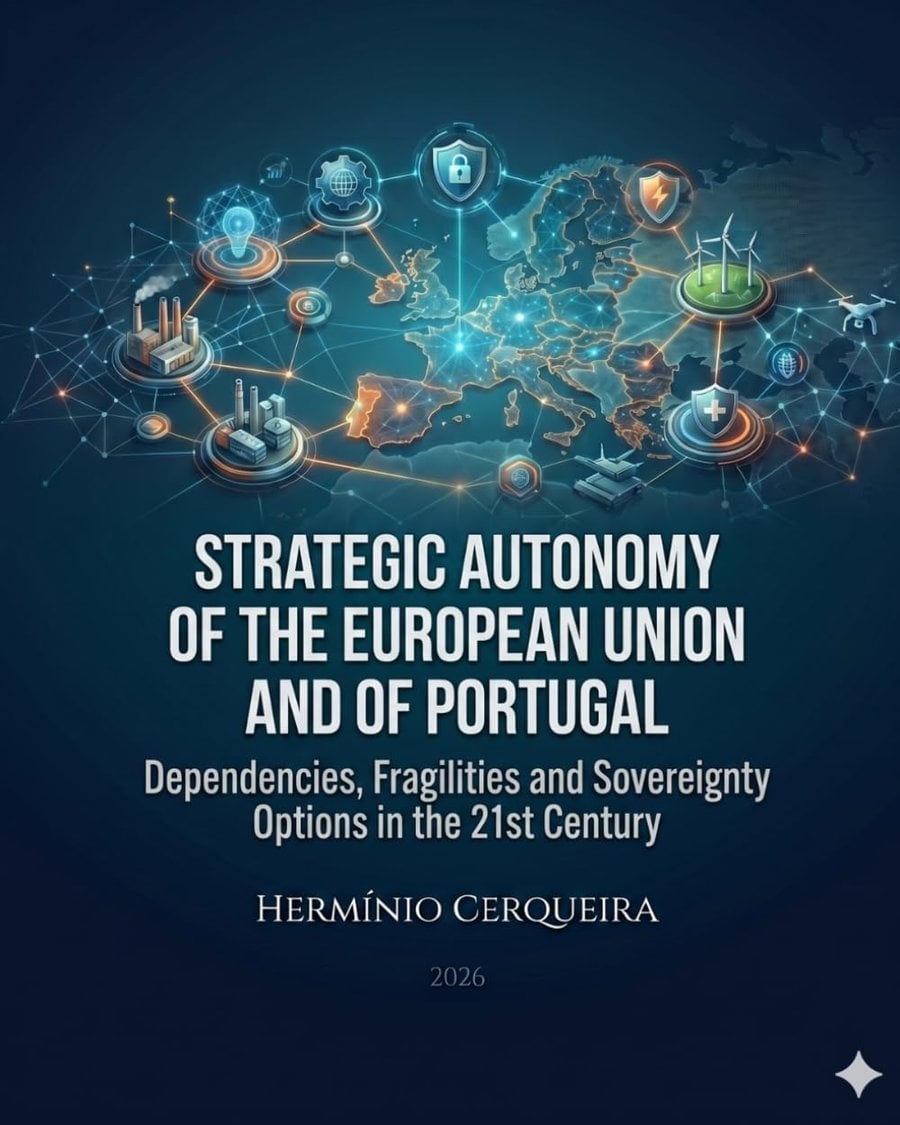
  • Cover of the book “Strategic Autonomy from the European Union and from Portugal”
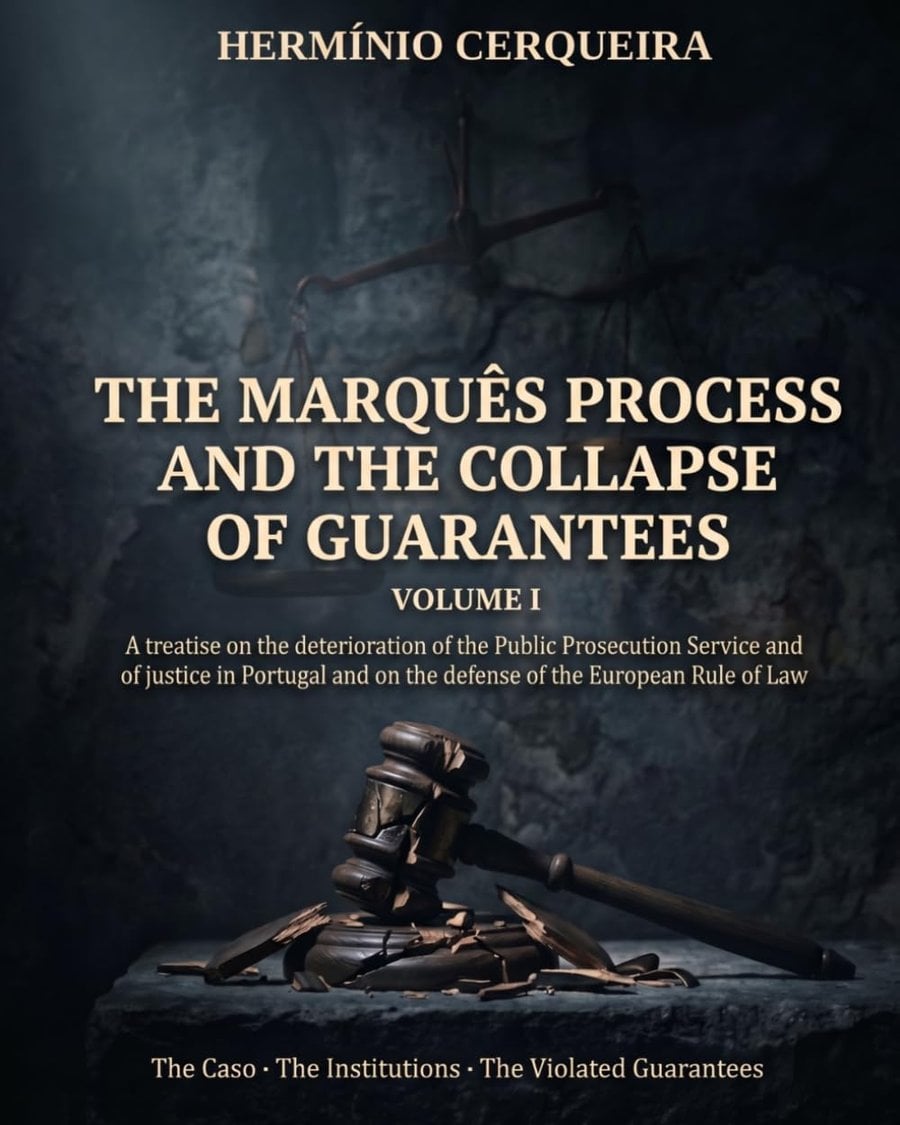
  • Cover of the book “The Marquês Process and the Collapse of Guarantees”
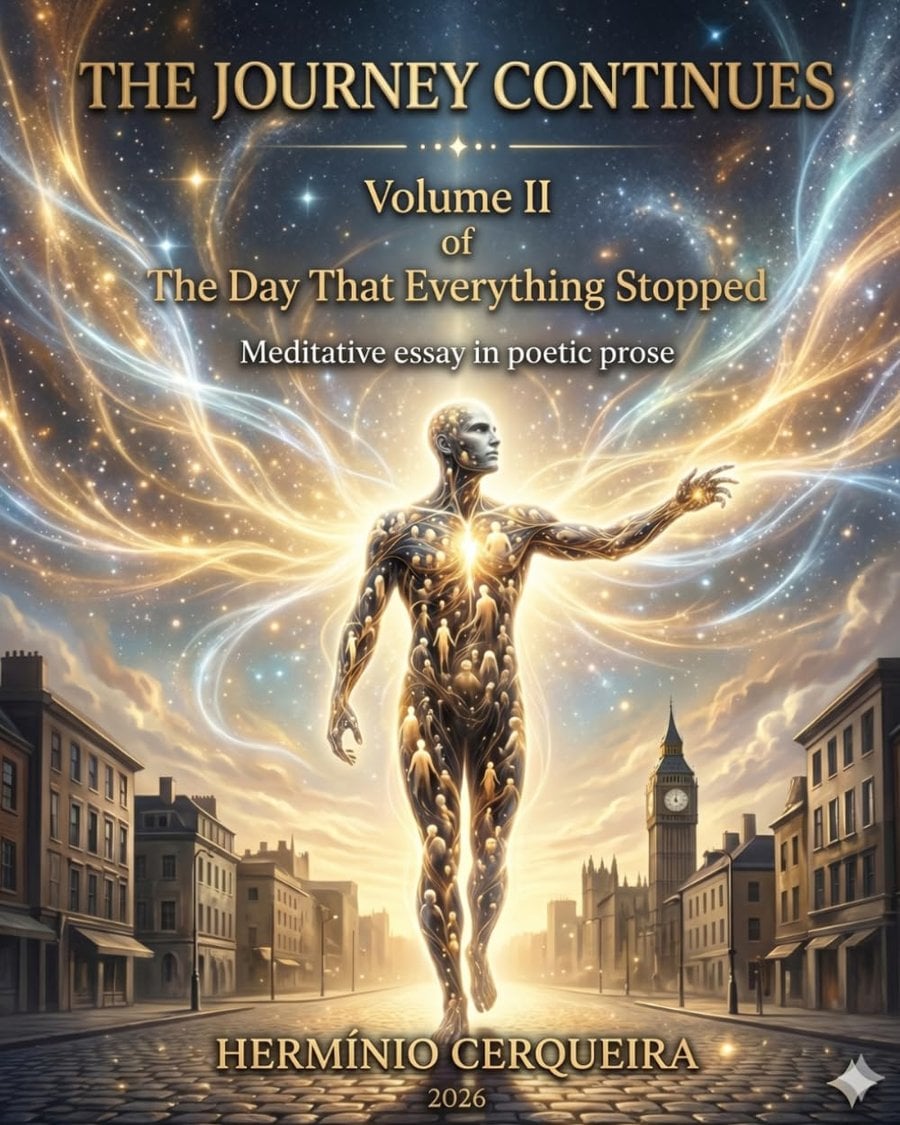
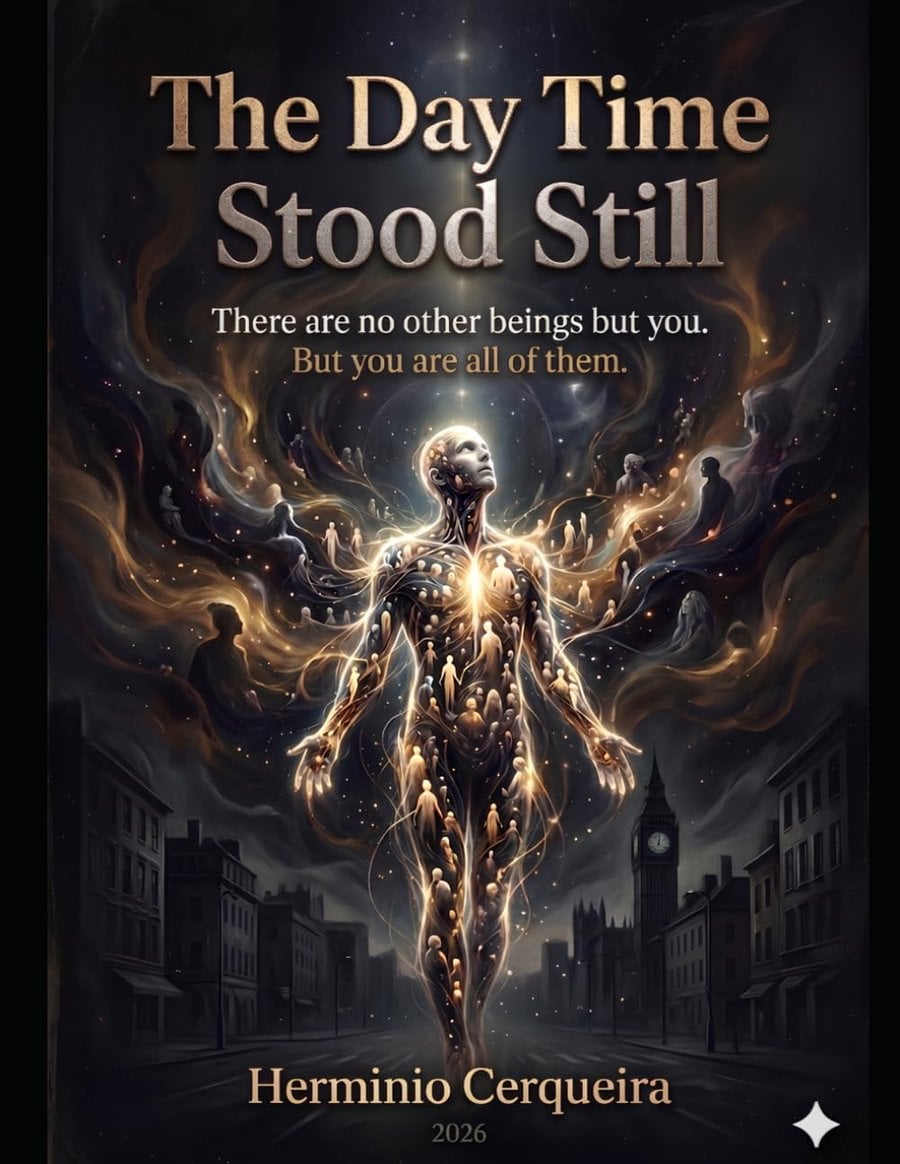
  • Cover of the book “The Day Everything Stopped”

The theme in the work

The axes of the work that feed this theme

Axis III · Europe, Portugal, and Political Economy

From the critical reading “A Obra Comentada”

A critical reading of the work, written in the third person — not a review by a third party.

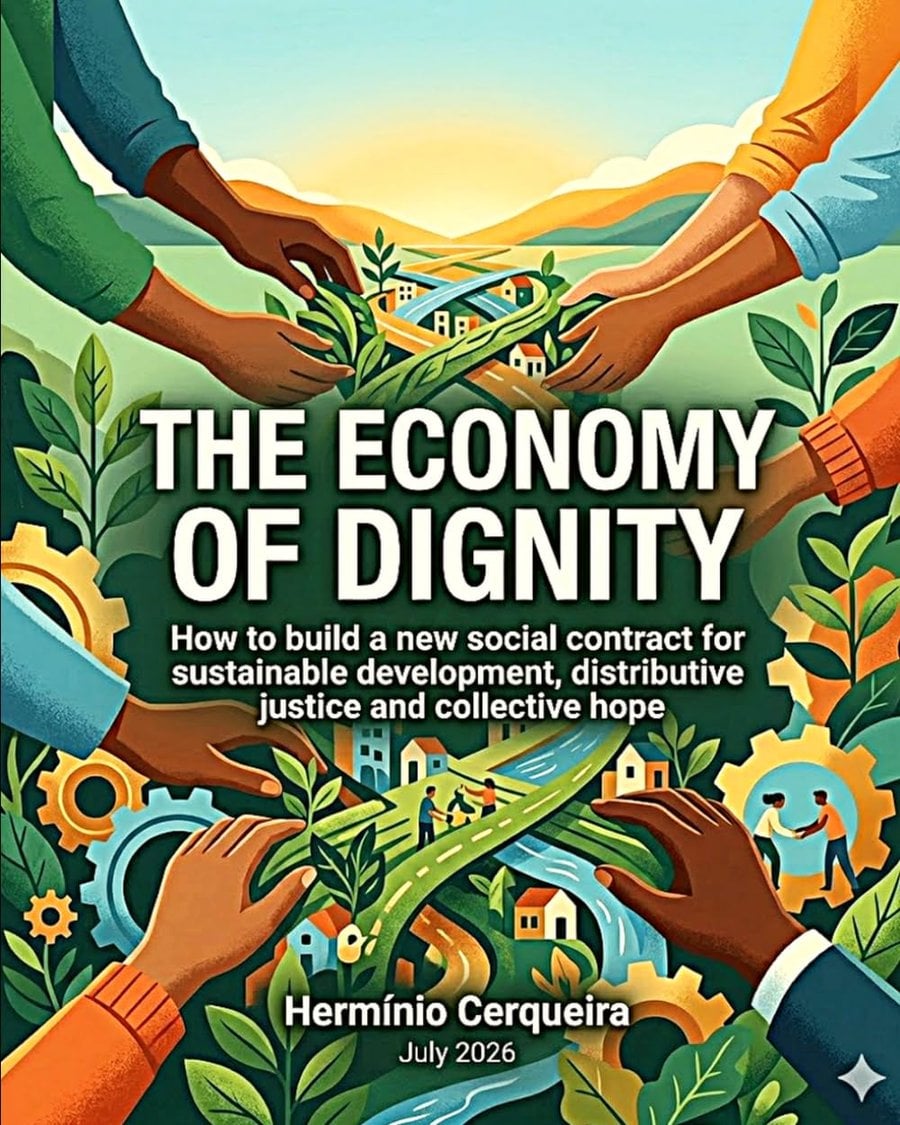
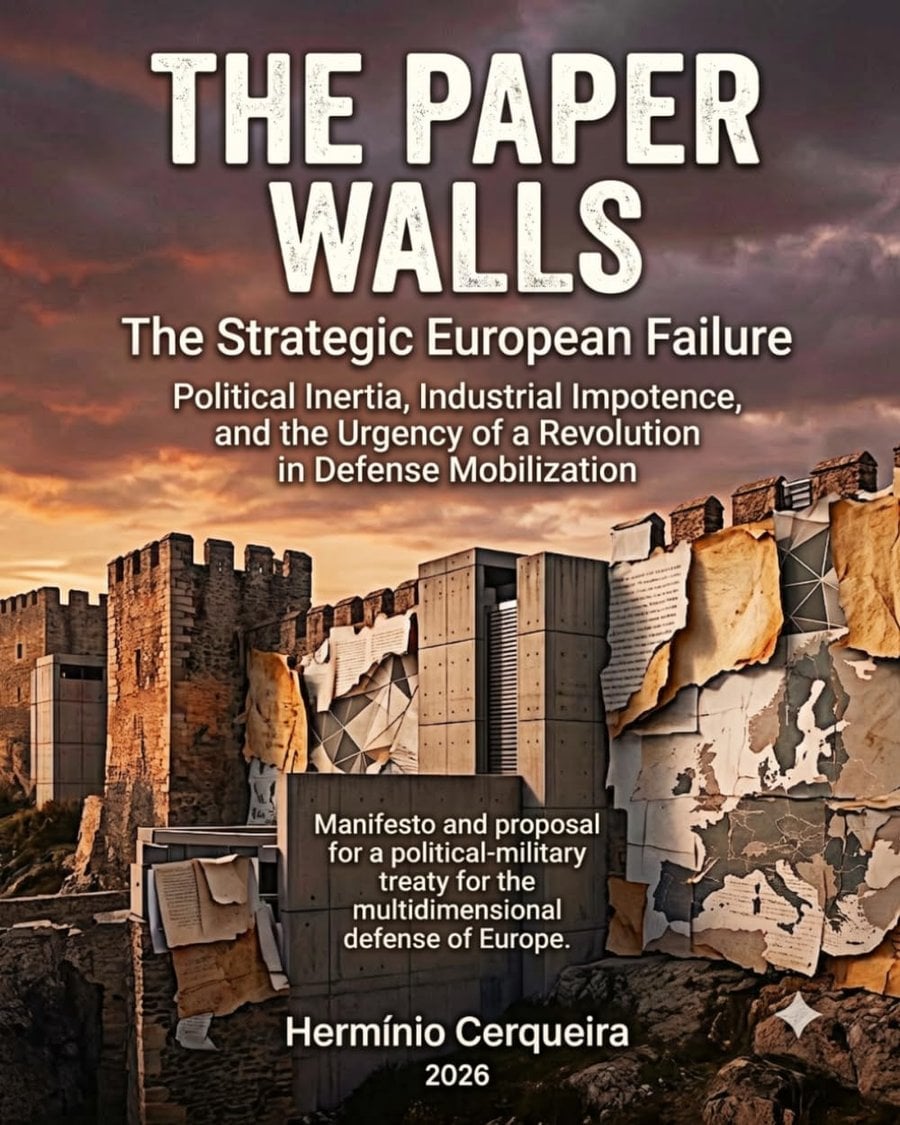
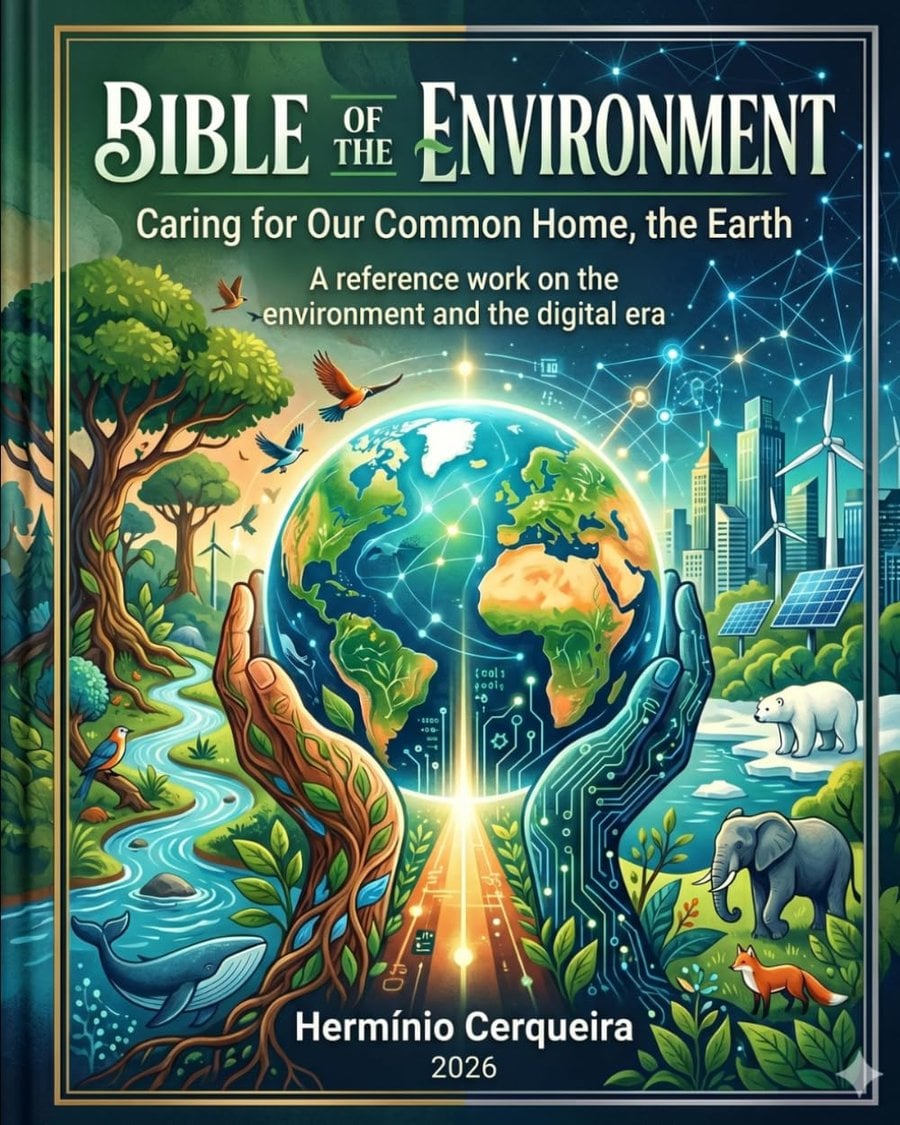
The third axis of Hermínio Cerqueira’s work descends from the scale of the great powers to the European and Portuguese scale — and it is here that the catalog reveals its most constructive face. If the geopolitical axes diagnose a world in fragmentation, this axis asks what Europe, and within it Portugal, can do with that diagnosis. The five books that make it up form a coherent program of political economy: sovereignty conceived as a sum of capabilities (Autonomia Estratégica), the critique of the budgetary rules that stifle it (O Mito dos 3%), the strategic treatise that projects it into the 2026–2036 decade (A Esperança Lúcida / Lucid Hope), the social contract that must sustain it from within (A Economia da Dignidade), and the common home that shelters it (A Bíblia do Ambiente). In all of them, the same structuring conviction: dependencies have a price, and sovereignty options — energy, technological, budgetary, social, ecological — are built or lost by decision.

«A Obra Comentada» (Sintra, Julho de 2026), introdução do eixo

Provisional translation — to be reviewed by the author.

16 books in this axis address the theme
Axis IV · Democracy, Populism, and Post-truth

From the critical reading “A Obra Comentada”

A critical reading of the work, written in the third person — not a review by a third party.

The fourth axis is the democratic laboratory of the work: three books that analyze, from complementary angles, the crisis of liberal democracy in the first quarter of the twenty-first century. Two take the American case as their subject — Trump as a structural phenomenon in one, Trump as a psychological, political, and social profile in the other — and the third brings the problem home, examining the crisis of the Portuguese and European democratic right and its encounter with the far right. The methodological conviction is the same in all three: the demagogue is at once cause and symptom, and understanding what made him possible — inequality, resentment, media fragmentation, post-truth — is the first form of resistance. None of these books is neutral: all take an avowedly democratic position; but all refuse to replace analysis with indignation.

«A Obra Comentada» (Sintra, Julho de 2026), introdução do eixo

Provisional translation — to be reviewed by the author.

11 books in this axis address the theme
Axis VI · Poetry, Spirituality, and Meditation

From the critical reading “A Obra Comentada”

A critical reading of the work, written in the third person — not a review by a third party.

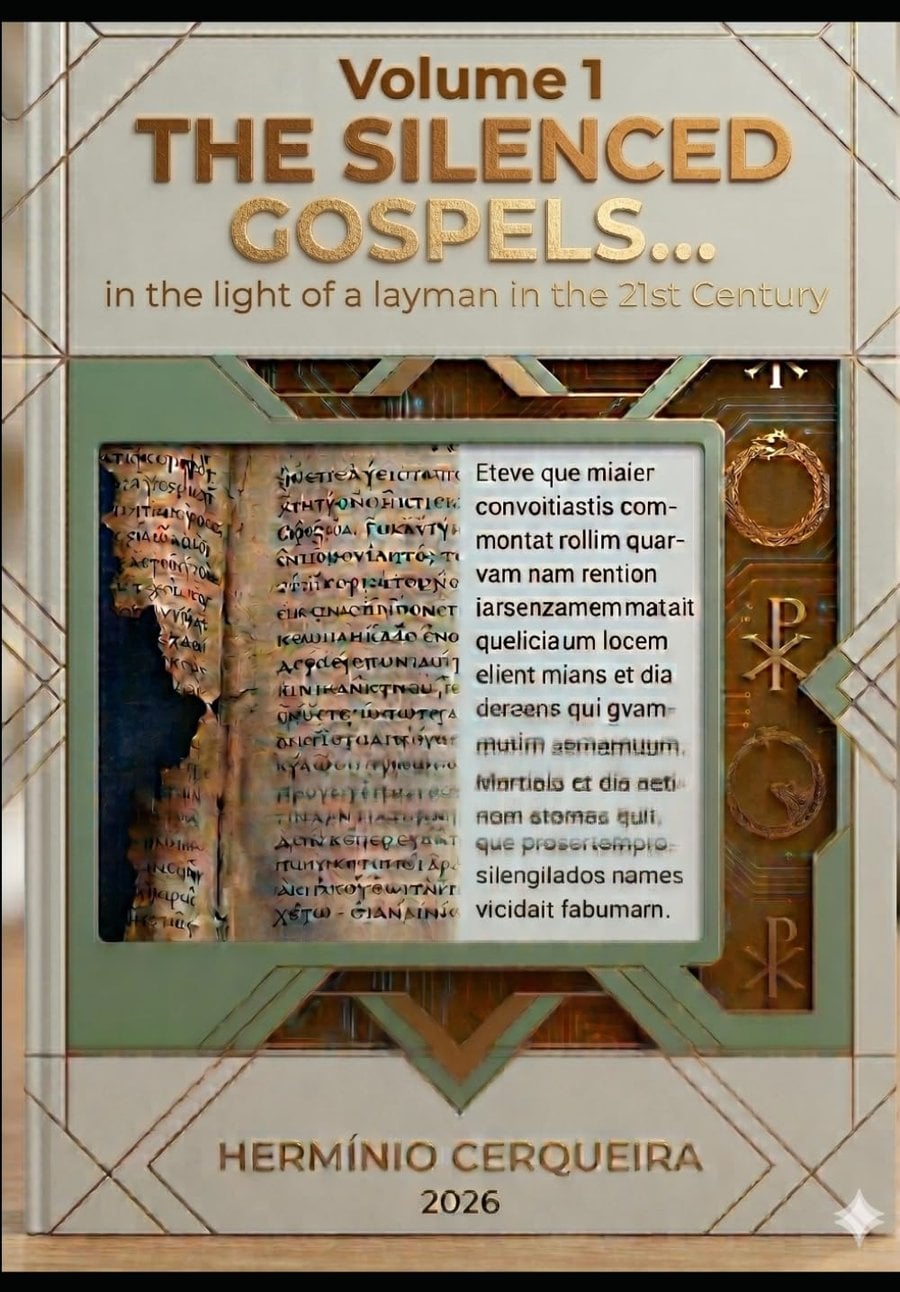
If the preceding axes of this commented work showed the strategist, the geopolitical analyst, and the civic polemicist, this sixth axis reveals the ground from which all of that springs: an inner life worked with a craftsman’s patience, between questioning prayer, Zen meditation, and the fixed form of the sonnet. It is here that thesis XVIII of the Manifesto — “a strategist who does not feel is no strategist: he is mere calculation” — finds its most complete demonstration. The books gathered on this axis are not a detour from Hermínio Cerqueira’s political and strategic work; they are its condition of possibility. The man who analyzes wars and energy crises is the same who sits “before the name,” who questions with Job beneath the empty sky, who learns from the Nag Hammadi apocrypha to distinguish adult faith from devout habit. The coherence of the whole is remarkable: a single gesture — to stop, to listen, to ask — unfolded in very diverse forms, from the sixteen-hundred-page theological essay to the haiku disguised as an alexandrine sonnet, from the long, breathing prose poem to the Camonian octave in heroic decasyllables. Three major dialogues run through the axis: the dialogue with the silenced Gospels (Thomas, Philip, Mary Magdalene), which gives the author his theology of the question; the dialogue with the Zen and Buddhist tradition (Huang Po, kintsugi, tonglen), which gives him the discipline of silence and impermanence; and the dialogue with Camões, which gives him the epic measure to sing no longer maritime expansion but the return of caravels laden with knowledge. Between these three poles, the personal lyric — forgiveness, friendship, mourning, a Minho childhood, the granddaughter to whom everything is dedicated — bridges the universal and the domestic. The reader who enters this axis will at last understand why the rest of the work is never “mere calculation.”

«A Obra Comentada» (Sintra, Julho de 2026), introdução do eixo

Provisional translation — to be reviewed by the author.

22 books in this axis address the theme
Start here

Books on this theme

49 of the author’s books address this theme, in 7 languages.
The whole library
Axis of the work

Showing 10 of 49 books