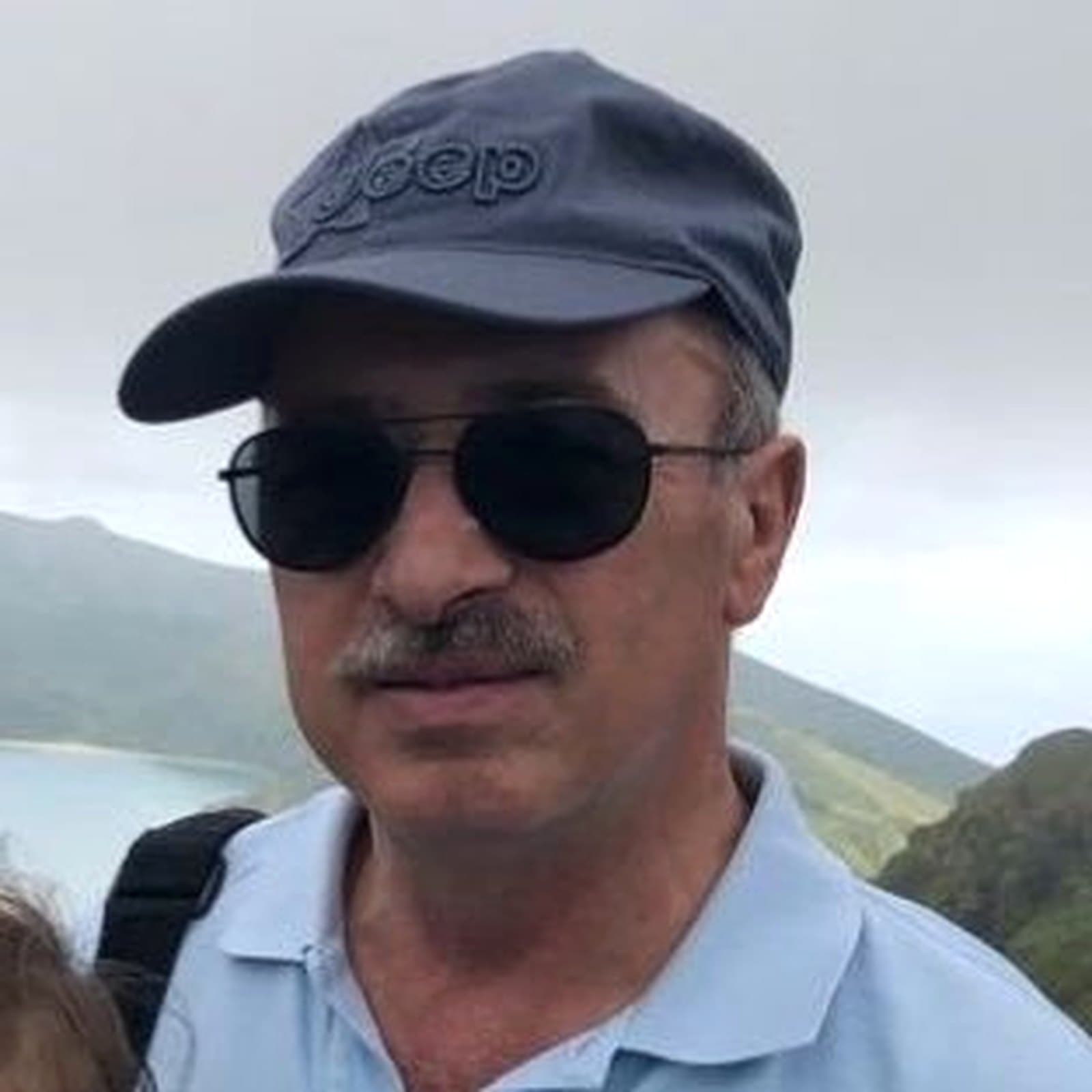
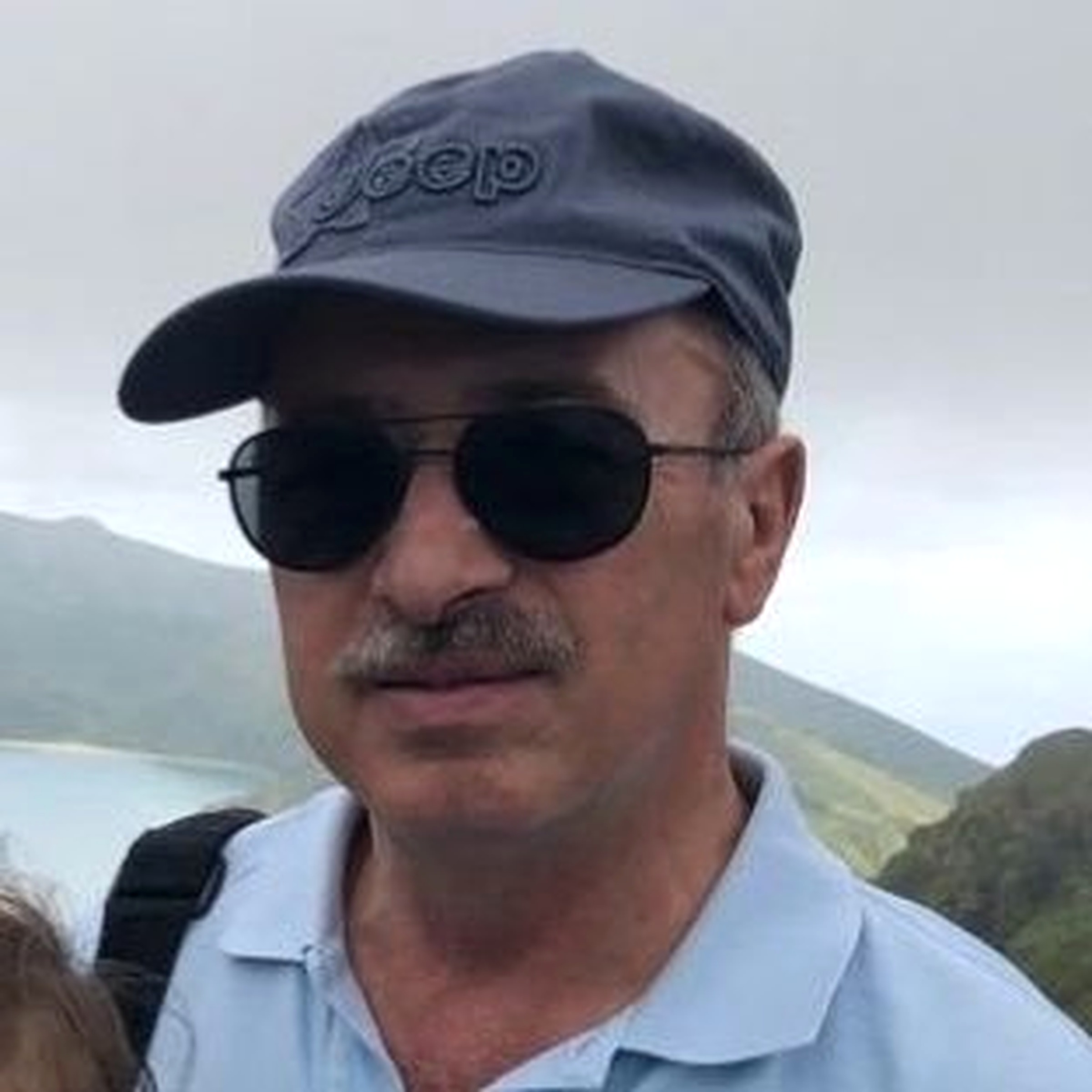
Hermínio Carvalho Marques Cerqueira was born in Lisbon on April 13, 1953, and grew up under the Estado Novo, in an inward-looking country where the political police and censorship restricted access to ideas. Of that time he wrote: “In the days of the Estado Novo, knowing other languages opened the doors to what the PIDE and the Censorship did everything to keep from us.”
He studied at the Liceu Camões in Lisbon, where three teachers left their mark on him: Dr. Virgílio Ferreira, Dr. Mário Dionísio, and João Neves. From them he inherited, in his own words, “a love of the Portuguese, French, and English languages.”
For decades he wrote without publishing — thousands of pages set aside, a period he himself describes as one of “accumulation, not hesitation.” He lived through the end of the Estado Novo, the revolution of April 25, 1974, and half a century of European integration observing, reading, comparing, and writing.
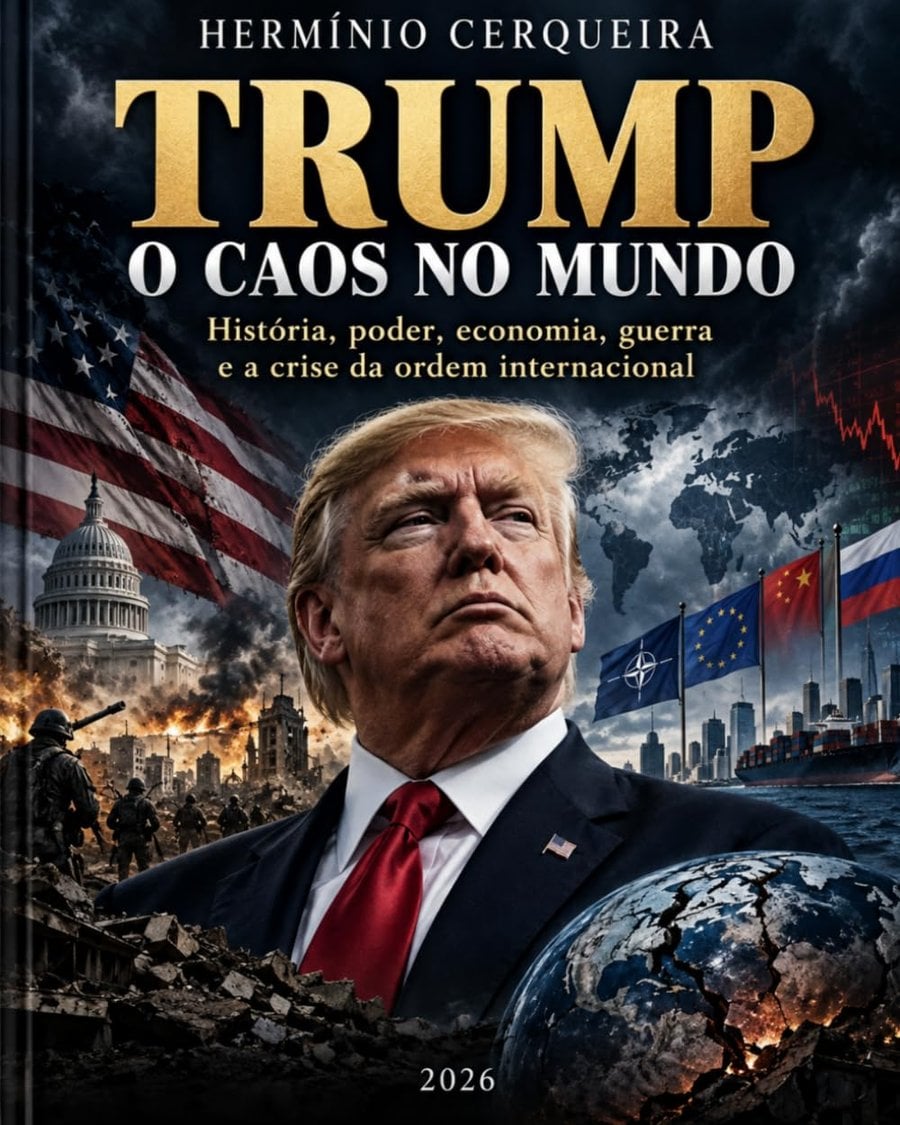
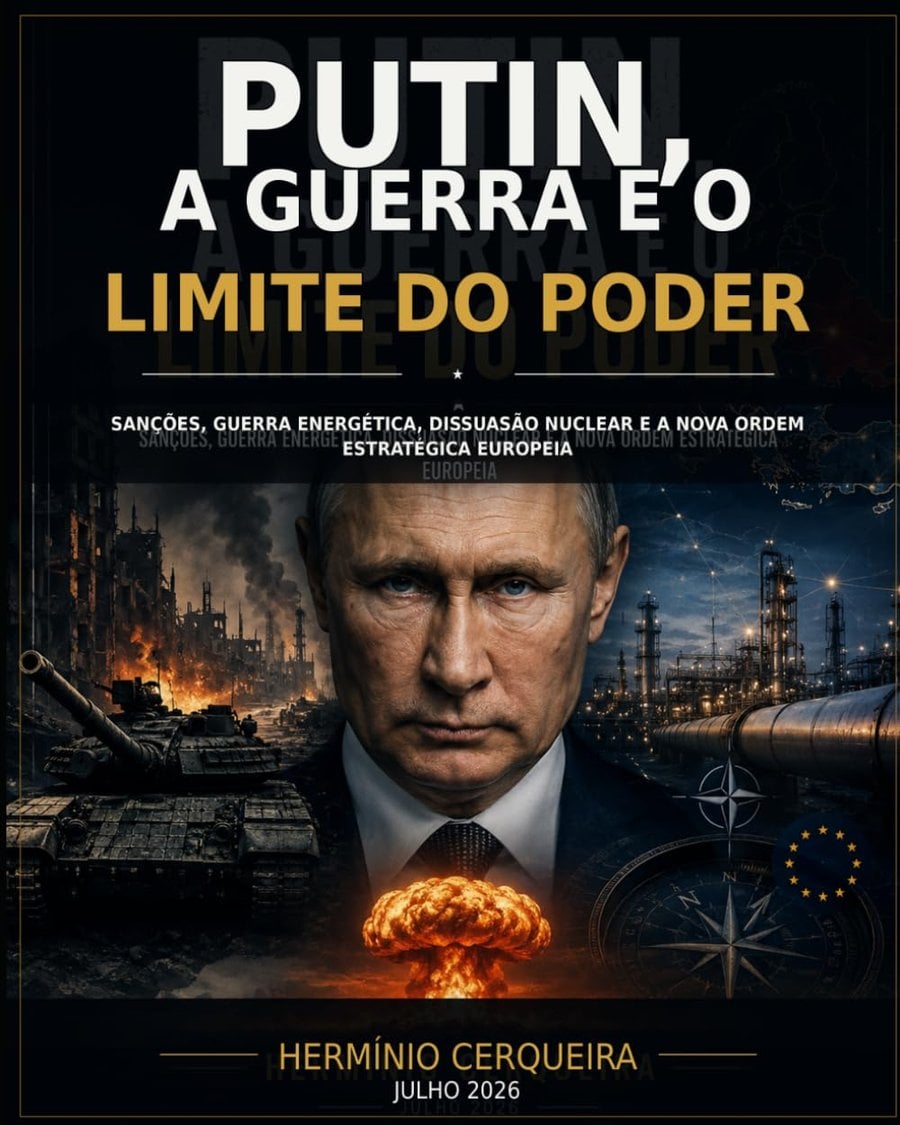
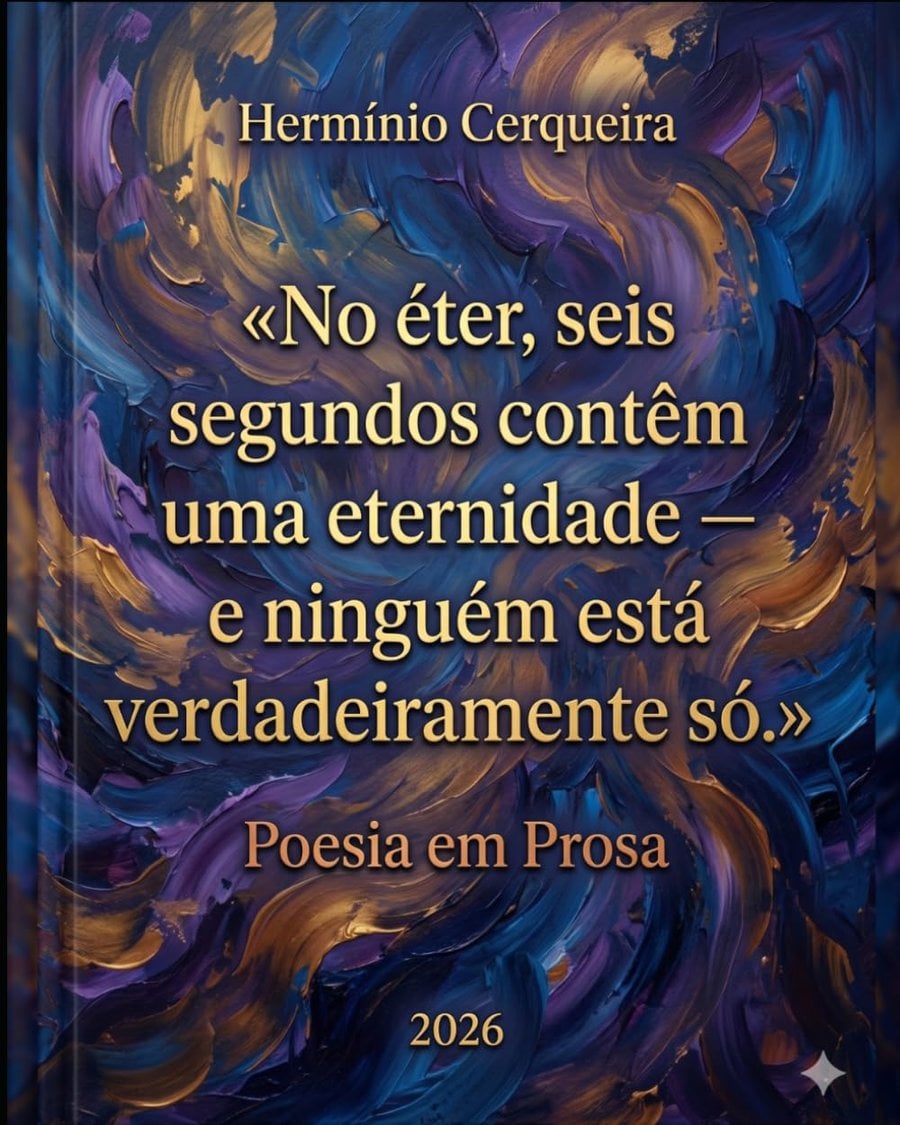
His work became public in 2026. Since May 19, 2026, his books have also been printed through the 24Bookprint platform. He self-publishes, on Amazon and with Chiado Books. As of September 2026, the catalog comprises 90 works in 200 editions and 12 languages: Portuguese, English, French, Spanish, German, Italian, Arabic, Traditional Chinese, Hindi, Ukrainian, Japanese, and Finnish.
The work is organized along six axes: strategy and geopolitics; cyber defense and the quantum era; Europe, Portugal, and political economy; democracy, populism, and post-truth; artificial intelligence; and poetry, spirituality, and meditation. On his Amazon author page he presents himself as an “Author, Researcher, Analyst of Strategy and International Politics,” an independent researcher in international politics, global strategy, geopolitics, sea power, international security, and the great transformations of the contemporary world system. His Manifesto of the Multiple Author, in twenty-five theses, rejects the separation of genres: “a whole human being does not fit on a shelf.”
He openly acknowledges using artificial-intelligence tools in the structuring and revision stages of his books, and states that the final wording and the theses are exclusively his own and that he alone is responsible for the editorial decisions. He lives in Sintra, from where he signs his texts.