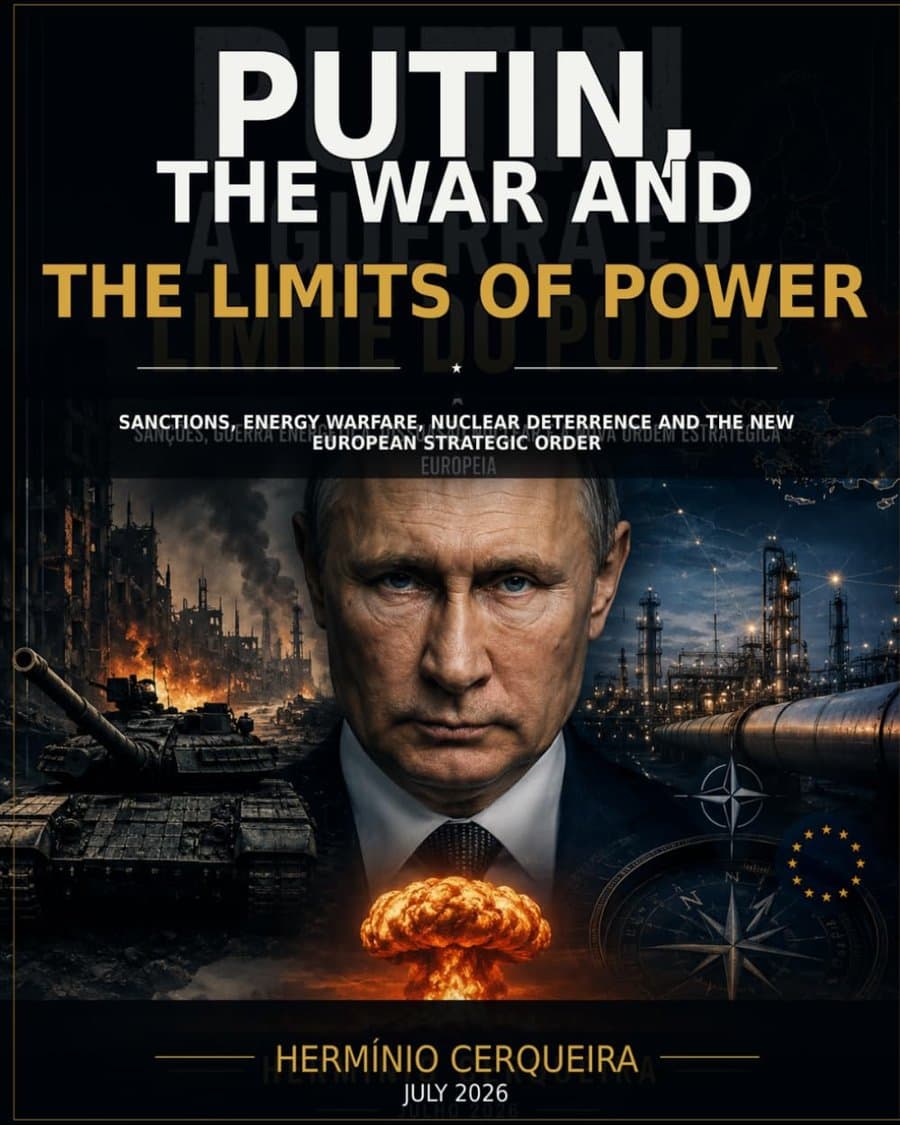
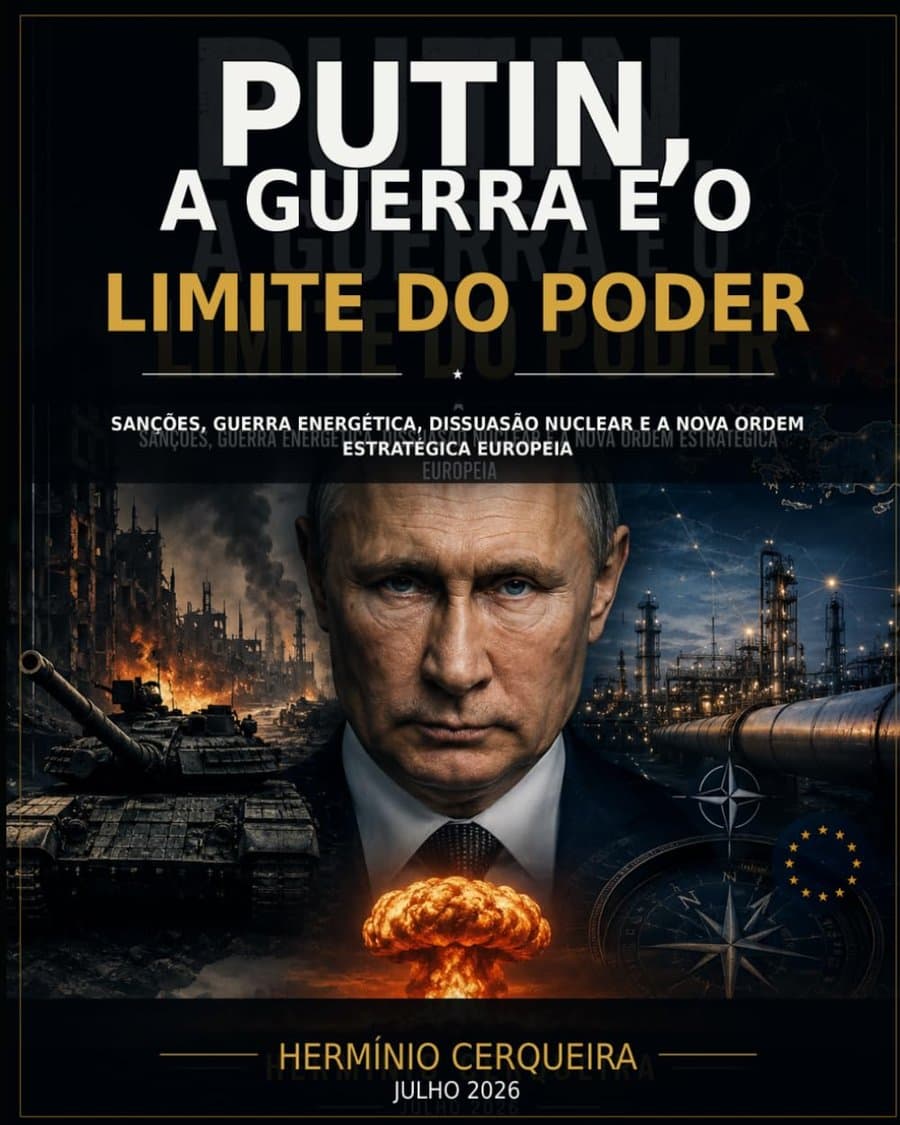
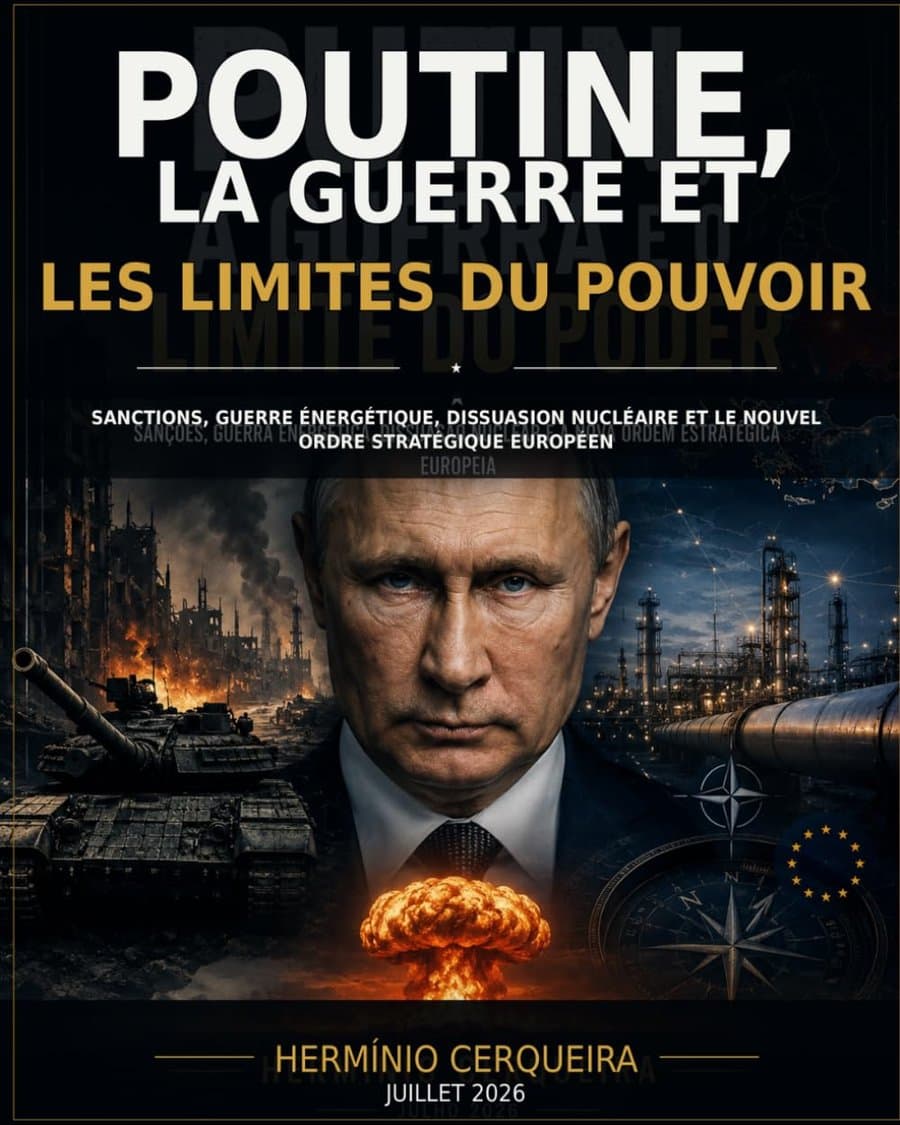
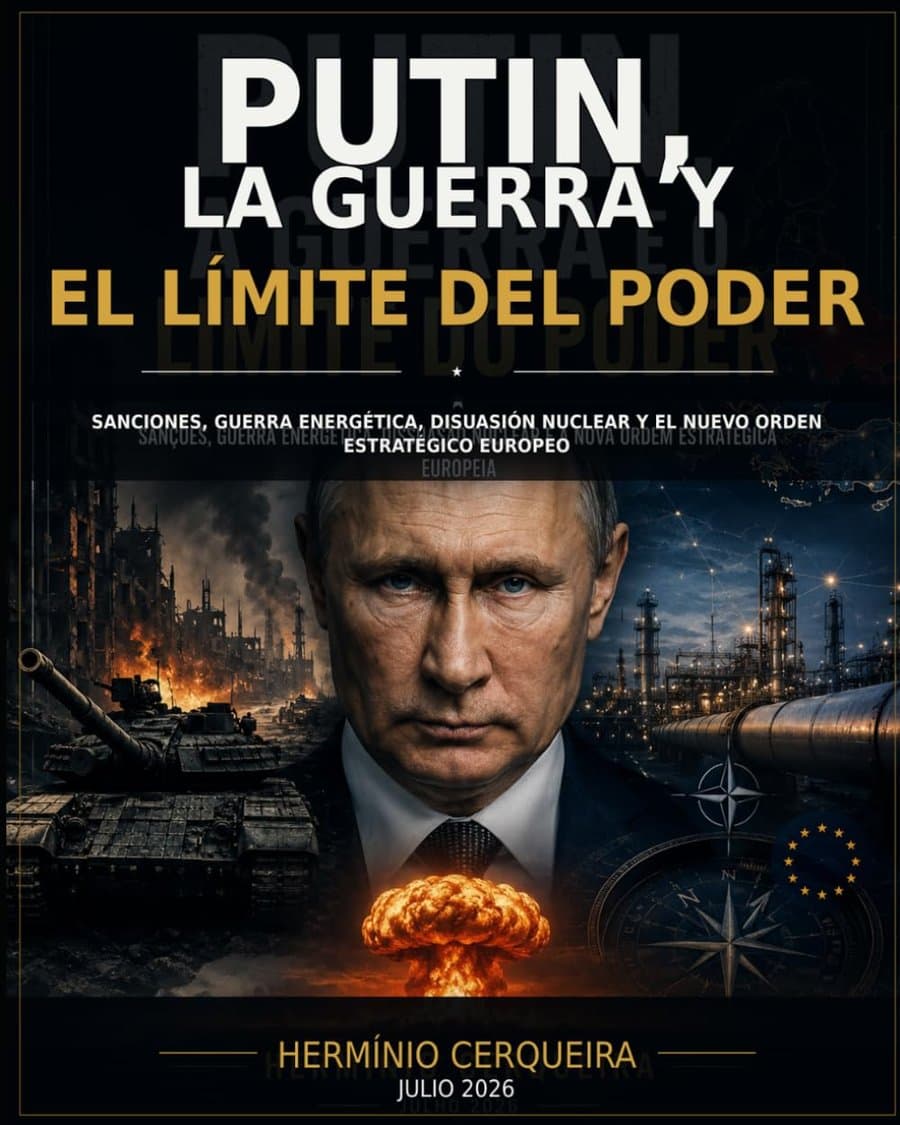
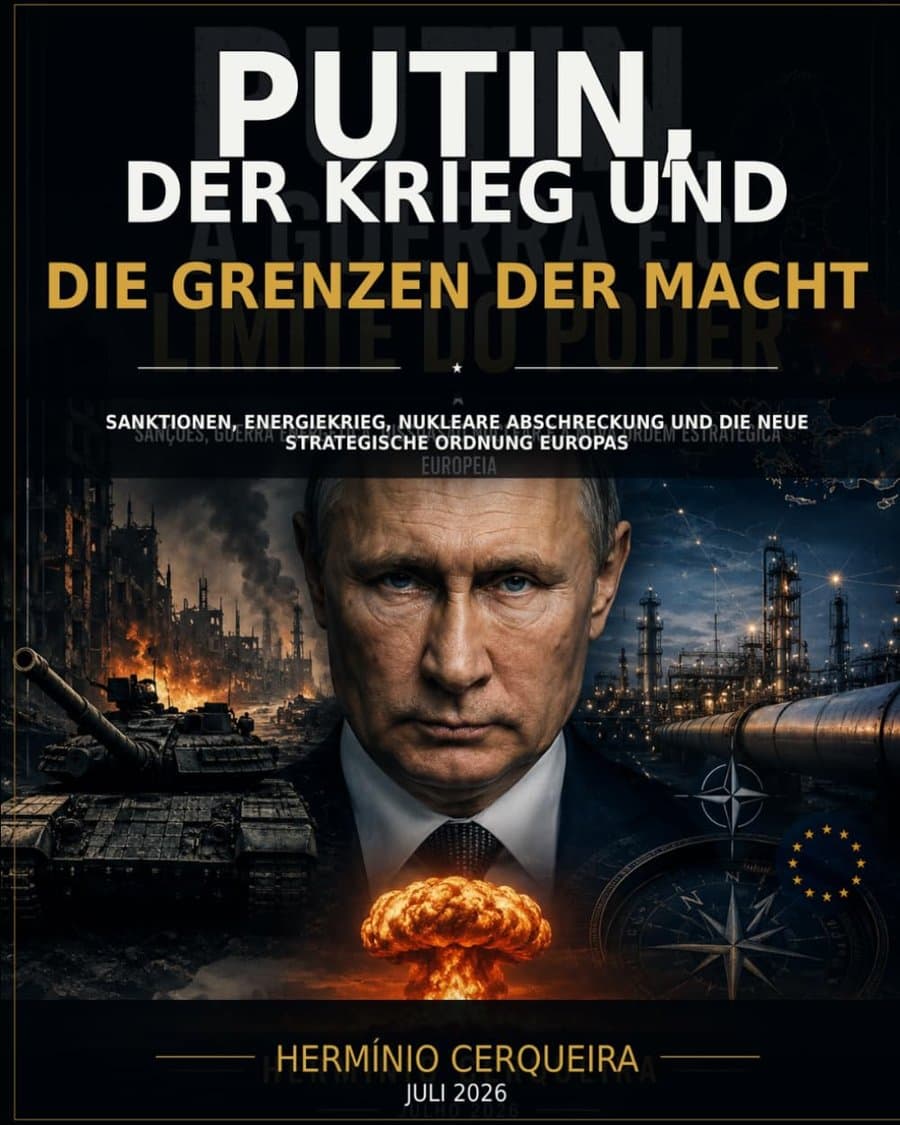
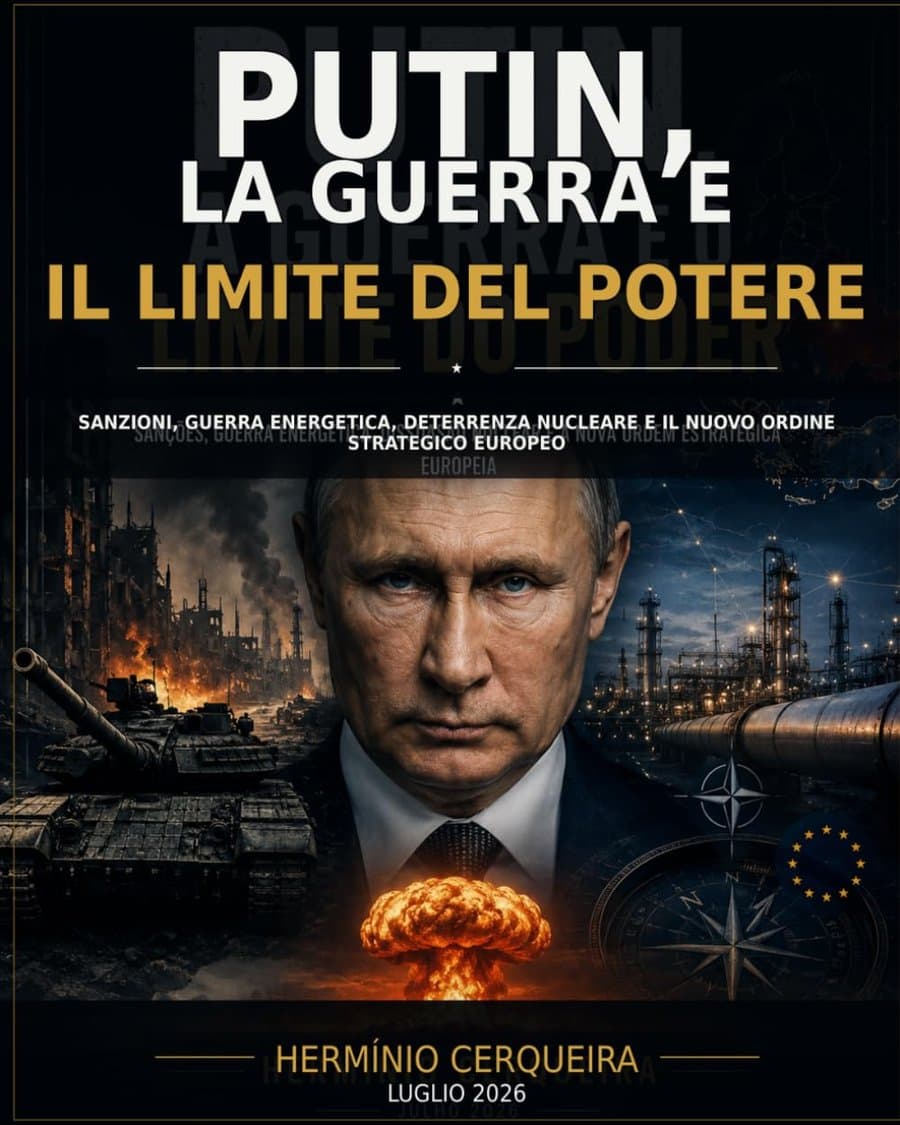
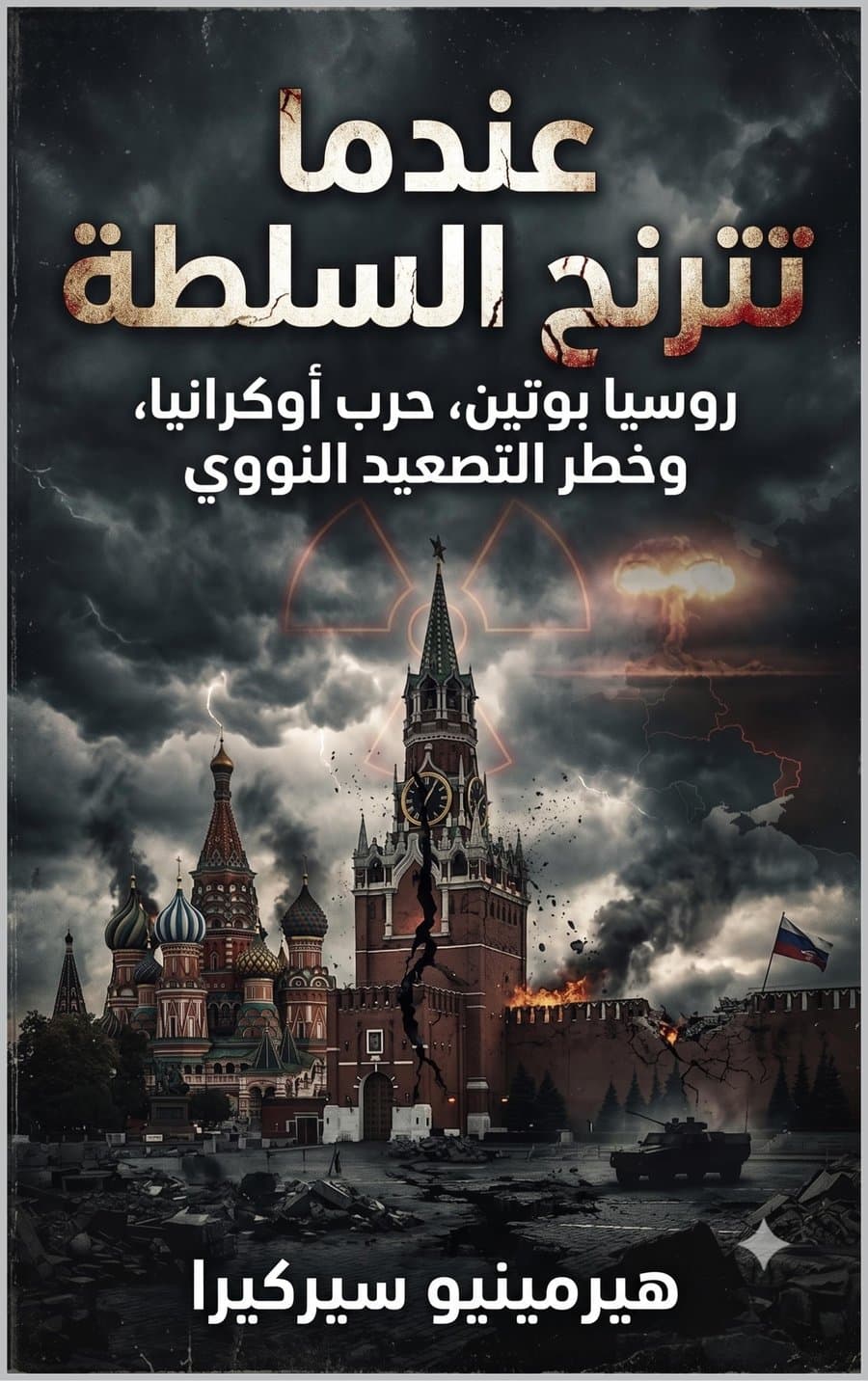
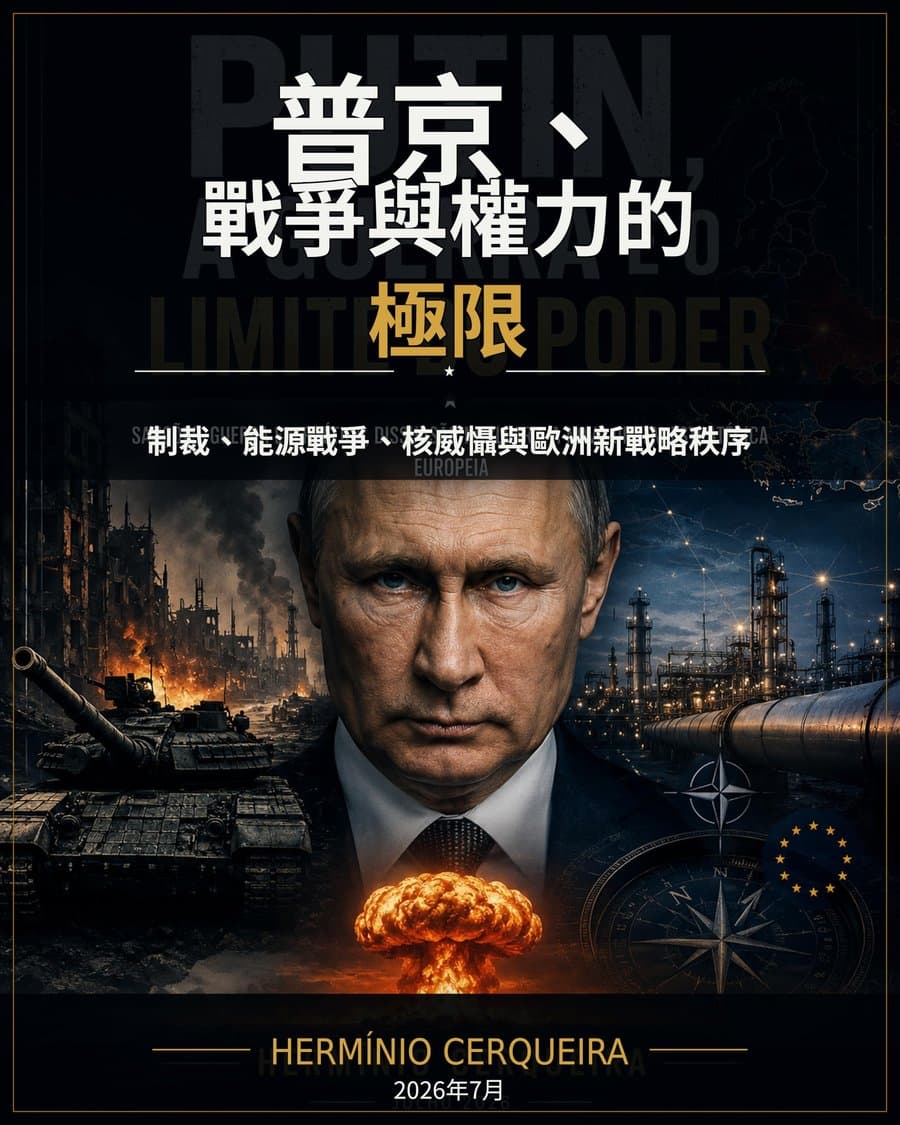
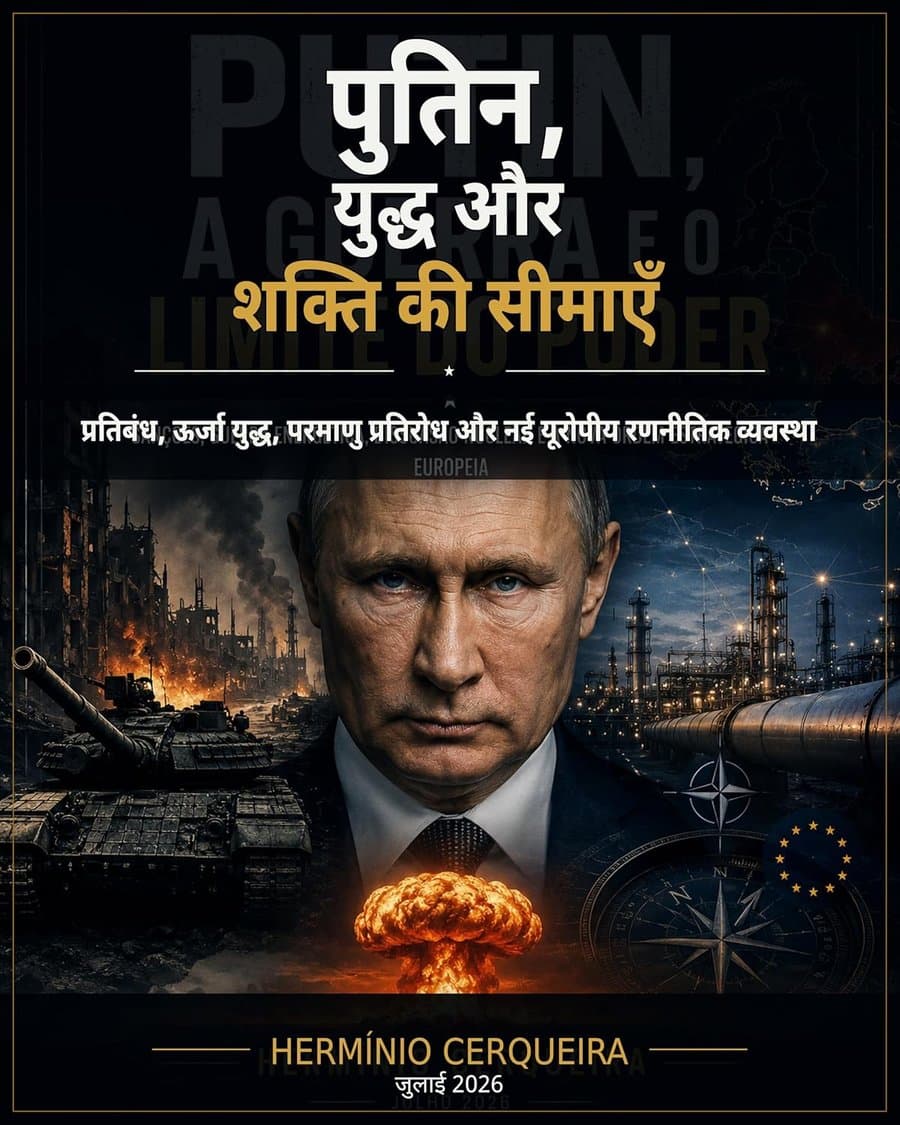
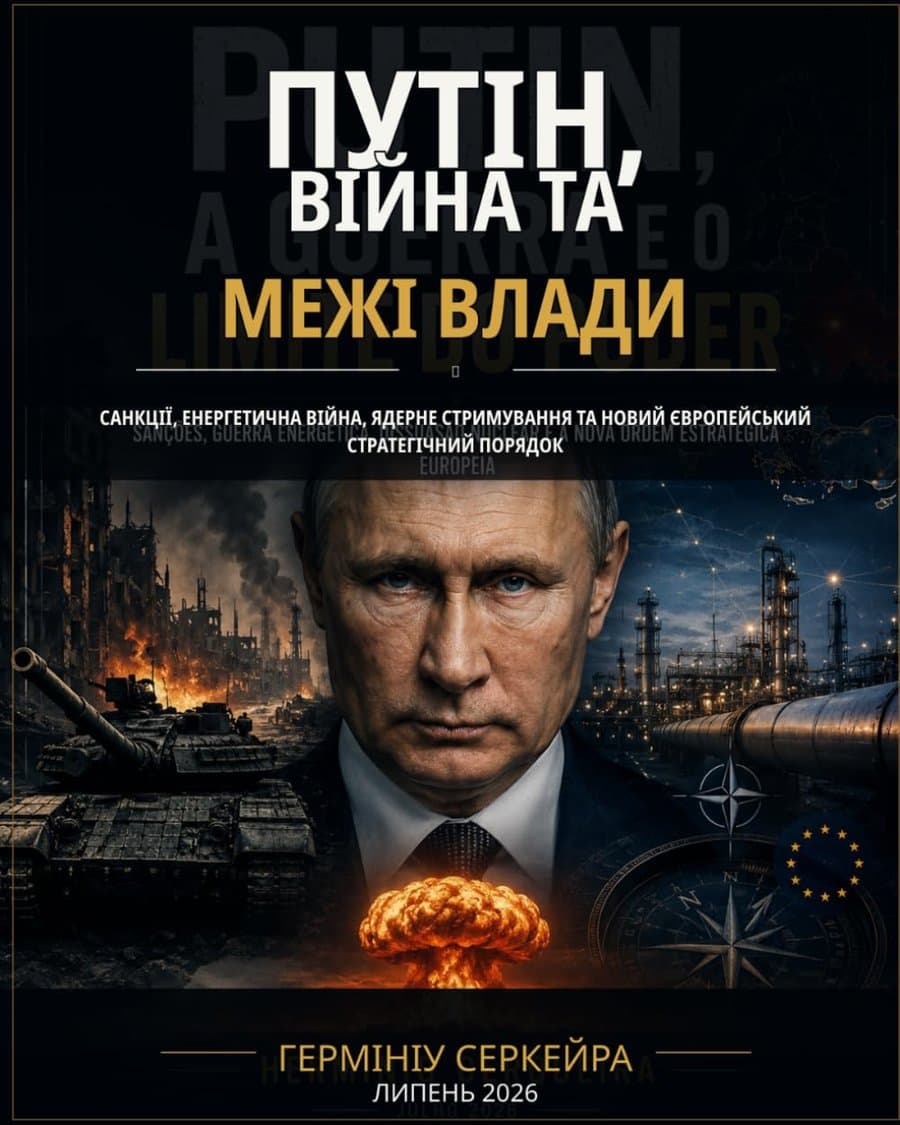
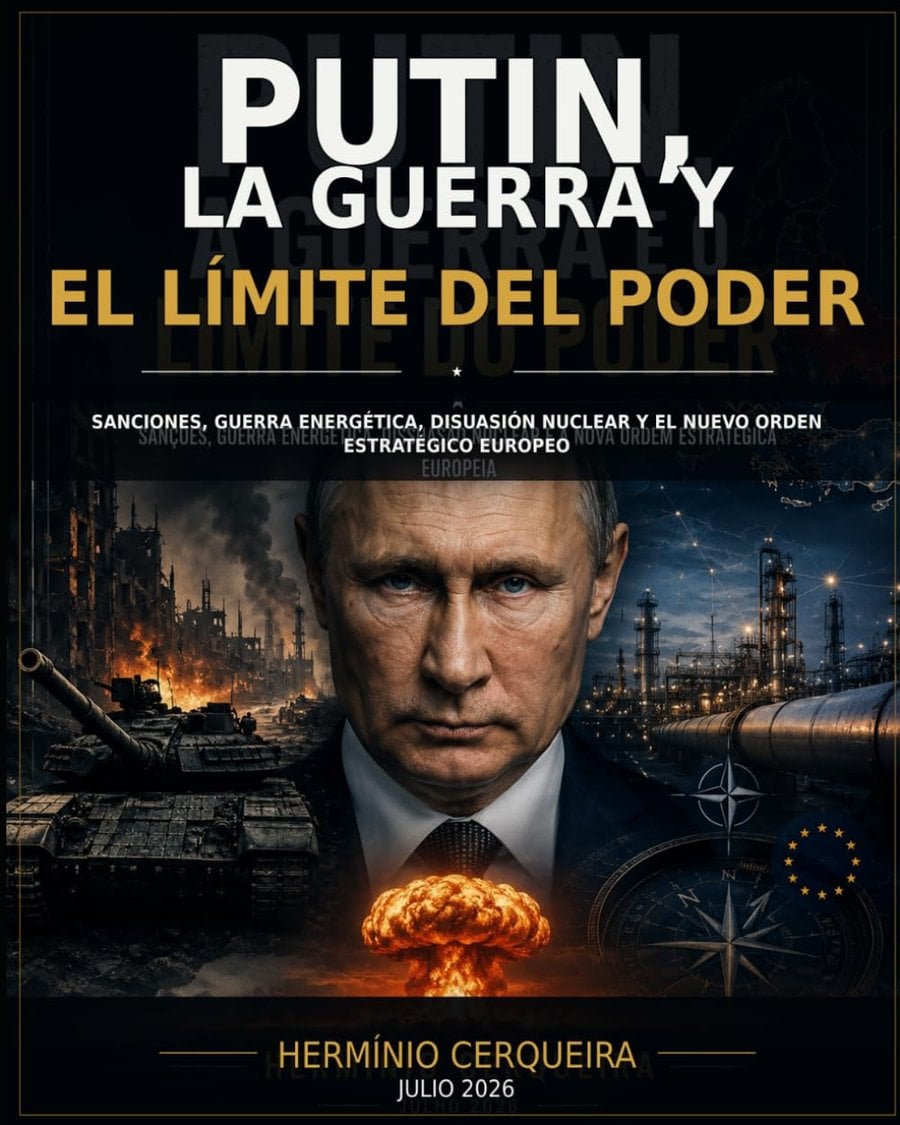
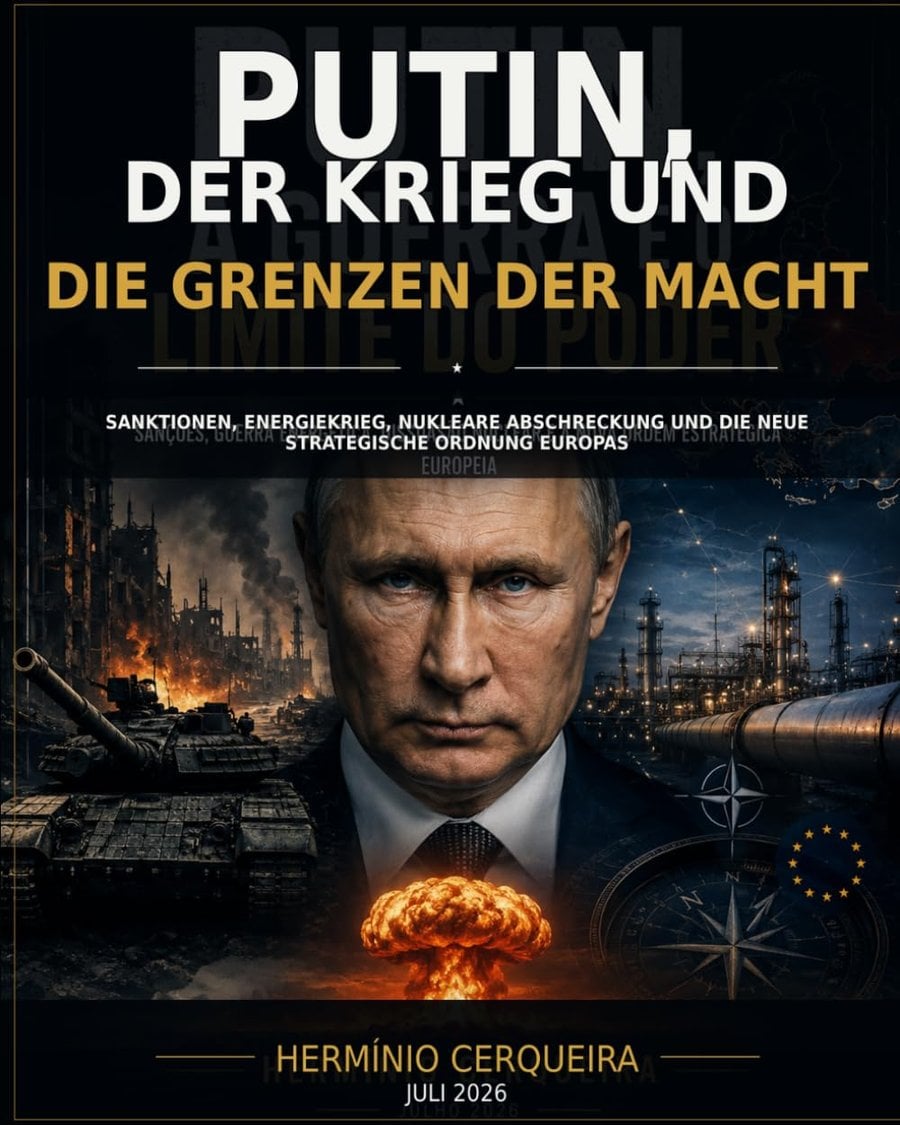
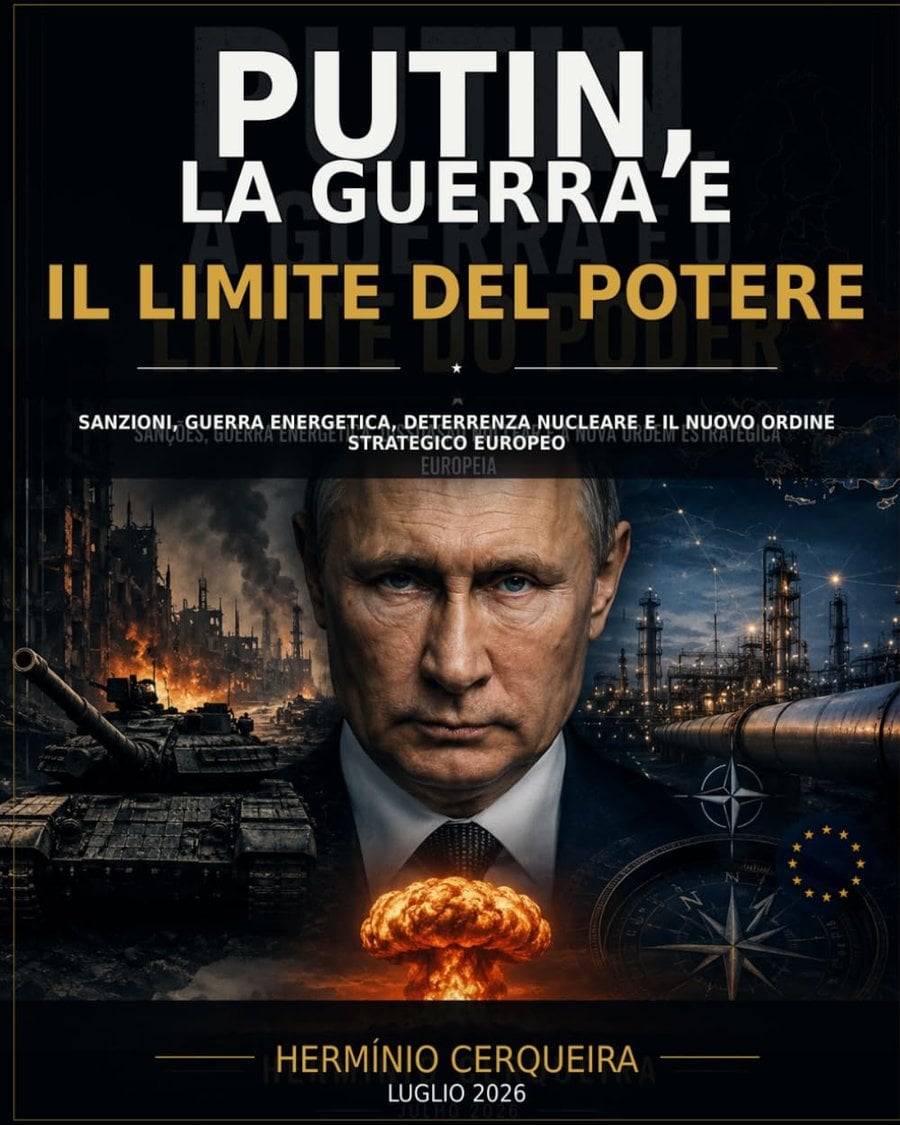
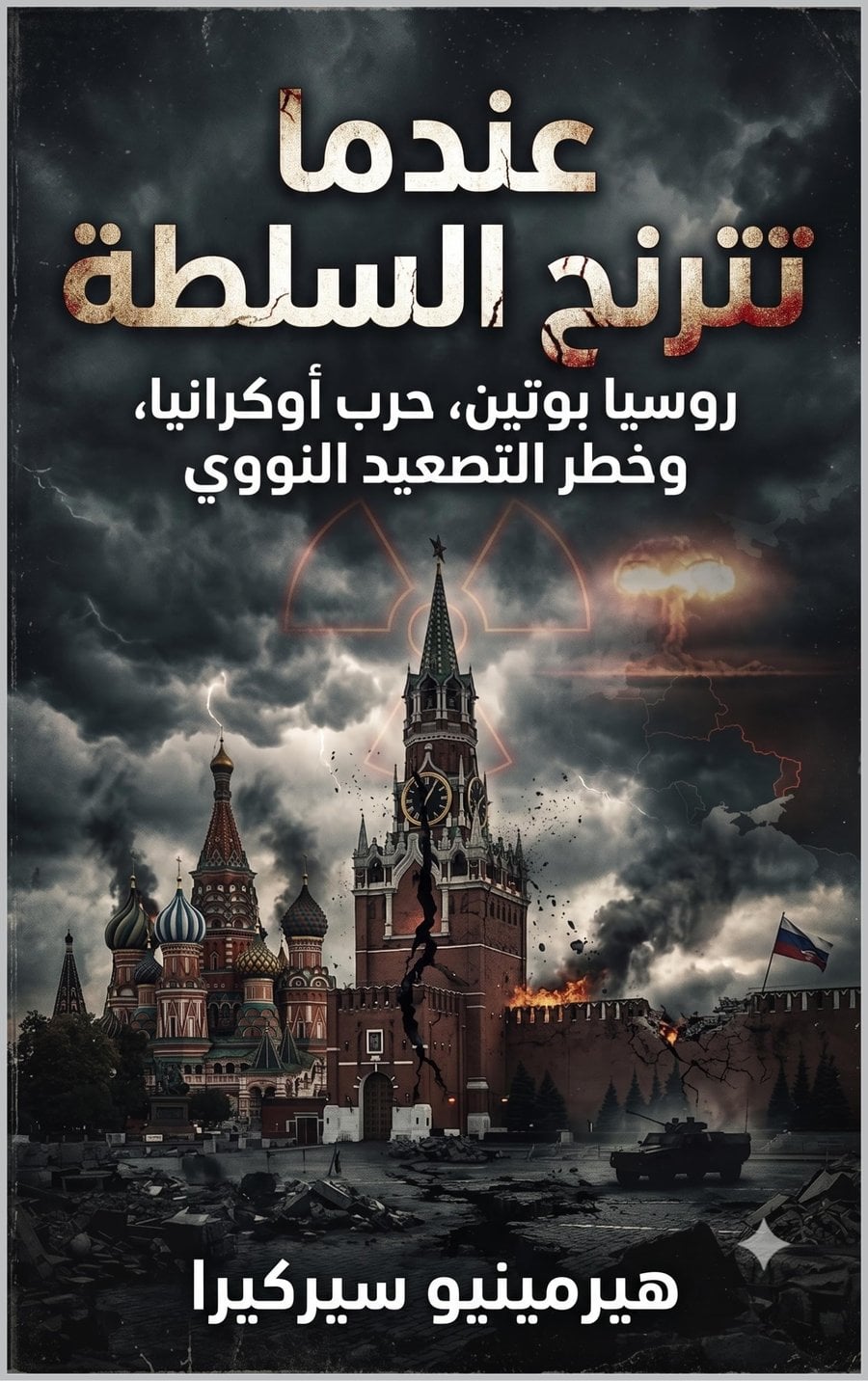
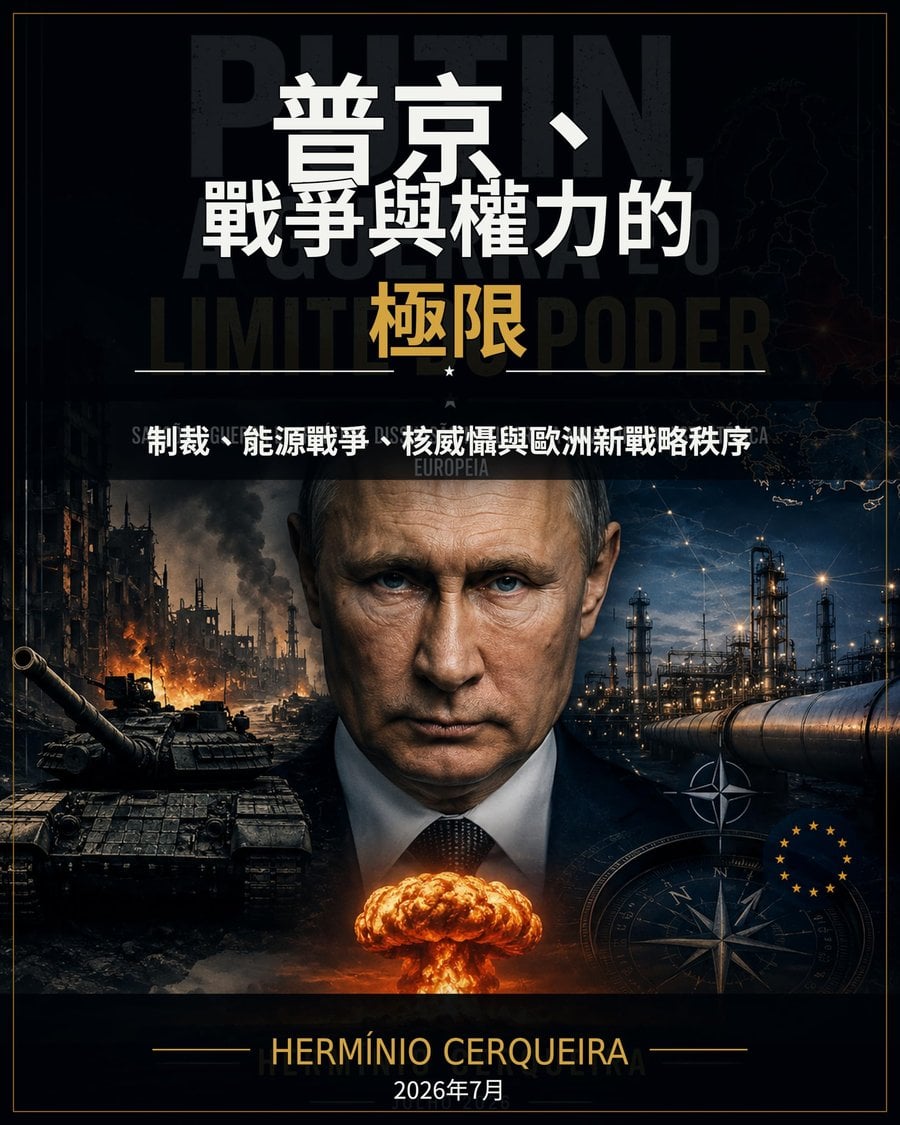
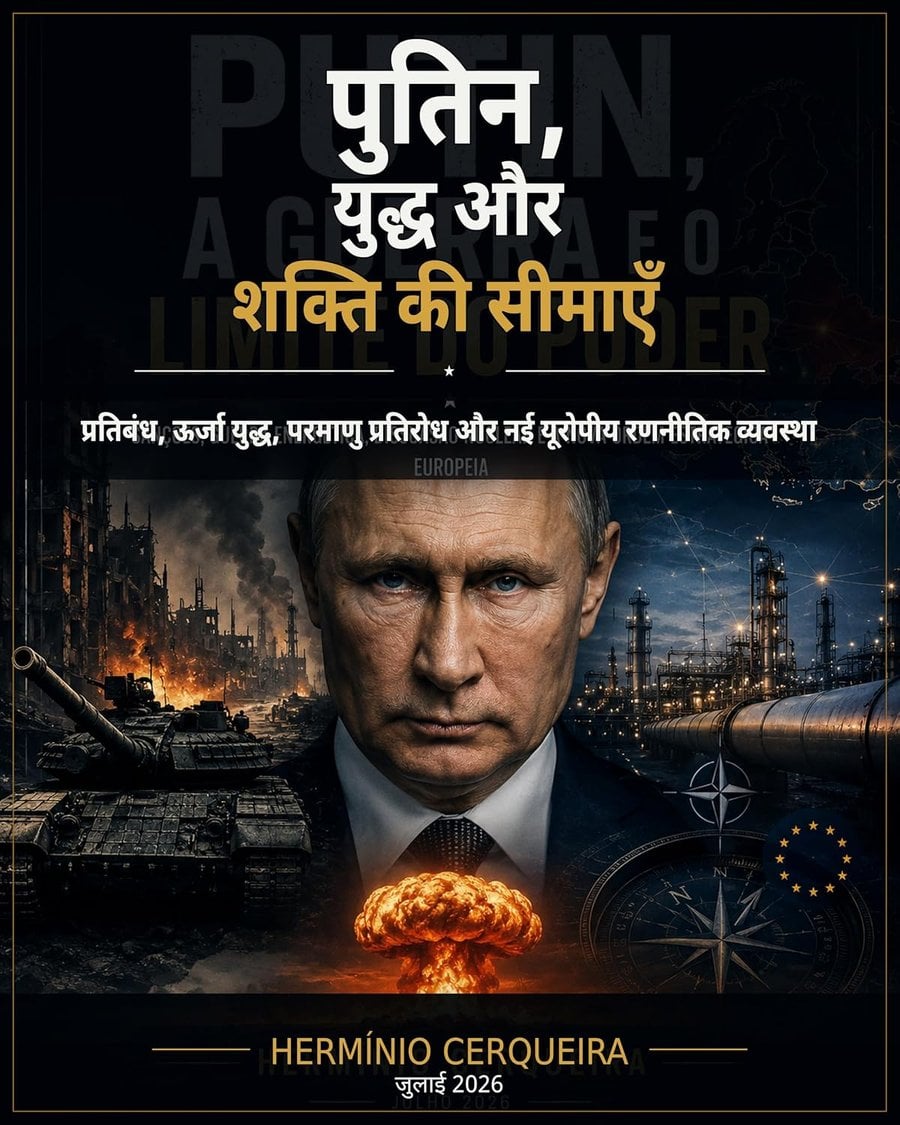
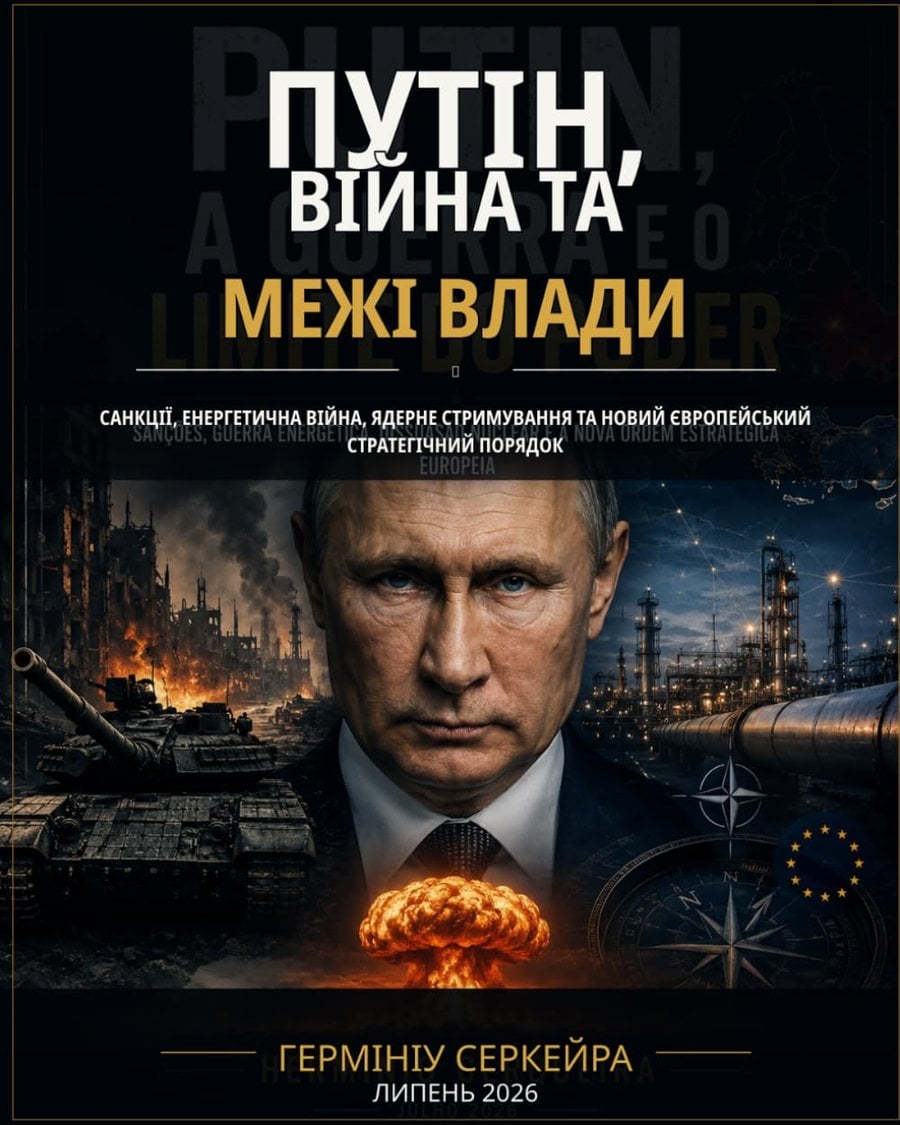
When Power WeakensQuando o Poder VacilaQuand le pouvoir s’affaiblitCuando el poder se debilitaWenn die Macht nachlässtQuando il potere si indebolisceعندما تضعف القوة當權力減弱時जब शक्ति कमजोर हो जाती हैКоли влада слабшає
Putin’s Russia, the war in Ukraine and the risk of nuclear escalation
A Rússia de Putin, a guerra da Ucrânia e o risco de escalada nuclear
La Russie de Poutine, la guerre en Ukraine et le risque d’escalade nucléaire
La Rusia de Putin, la guerra en Ucrania y el riesgo de una escalada nuclear
Putins Russland, der Krieg in der Ukraine und das Risiko einer nuklearen Eskalation
La Russia di Putin, la guerra in Ucraina e il rischio di un’escalation nucleare
العقوبات، والحرب الطاقية، والردع النووي والنظام الاستراتيجي الأوروبي الجديد
普丁治下的俄羅斯,烏克蘭戰爭以及核升級的風險
पुतिन का रूस, यूक्रेन में युद्ध और परमाणु वृद्धि का जोखिम
Путінська Росія, війна в Україні та ризик ядерної ескалації
Available in 10 languages
- EN — go to the English edition
- PT — go to the Portuguese edition
- FR — go to the French edition
- ES — go to the Spanish edition
- DE — go to the German edition
- IT — go to the Italian edition
- AR — go to the Arabic edition
- ZH — go to the Traditional Chinese edition
- HI — go to the Hindi edition
- UK — go to the Ukrainian edition
- Pages
- 648 pages
- ISBN
- ISBN 979-8188968359
- Published
- Formats
- Kindle and paperback
- Pages
- 666 pages
- ISBN
- ISBN 979-8188963644
- First published
- Formats
- Kindle and paperback
- Pages
- 704 pages
- ISBN
- ISBN 979-8189098055
- Published
- Formats
- Kindle and paperback
- Pages
- 698 pages
- ISBN
- ISBN 979-8189094569
- Published
- Formats
- Kindle and paperback
- Pages
- 738 pages
- ISBN
- ISBN 979-8188970819
- Published
- Formats
- Kindle and paperback
- Pages
- 692 pages
- ISBN
- ISBN 979-8189641176
- Published
- Formats
- Kindle and paperback
- Pages
- 902 pages
- Published
- Formats
- Kindle
- Pages
- 314 pages
- Published
- Formats
- Kindle
- Published
- Formats
- Kindle
- Pages
- 718 pages
- ISBN
- ISBN 979-8189112294
- Published
- Formats
- Paperback
About the book
Text published with the English edition (Amazon).
The war that began on February 24, 2022, ceased to be a territorial conflict long ago. What is at stake, and what this book aims to demonstrate, is that it has become a simultaneous test of three distinct things: the political survival of Vladimir Putin's regime, the credibility of nuclear deterrence as an international institution, and the West's ability to sustain a European security order under prolonged pressure. These three tests do not occur in parallel. They are coupled, and the mechanism that couples them is the central object of the book: as the material base of Russian power narrows, the relative cost of nuclear coercion instruments falls, and the probability of their signaling use rises. The Russian nuclear threat is a function of weakness, not strength. That is why it is dangerous, and that is why it will not disappear with a Ukrainian military victory or a Russian defeat.
It is important to define this thesis precisely because it is frequently confused with two related claims that I do not subscribe to. The first is that Russia will use a nuclear weapon. The book does not state this at any point, considers the issue unknowable, and explains in the methodological note why it considers it analytically sterile. The second is that Russian nuclear coercion is a bluff. It does not state this either, and for a symmetrical reason: to call a behavior a bluff is to assume knowledge about the intention of the person practicing it, and this knowledge does not exist. What the thesis states is a relationship between observable variables—as conventional capacity and the fiscal base deteriorate, the frequency, formality, and institutionalization of nuclear signaling increase because the relative cost of this instrument decreases. It is a statement about incentives, not about intentions.
Since this is a statement about incentives, it is falsifiable, and the reader has the right to know how. The thesis would be seriously weakened if, over a prolonged period, any of the following situations occurred: a sustained recovery of Russian material capacity accompanied by an increase—not a decrease—in nuclear signaling; a sharp degradation of this capacity accompanied by doctrinal retreat and the re-establishment of verification mechanisms; or a demonstration that the doctrinal revisions of 2020 and 2024 were decided for reasons entirely internal to the military apparatus, unrelated to the evolution of the Ukrainian theater. None of these three situations occurred between 2022 and the closing date of this book, which does not prove the thesis, but means that it survived the conditions under which it could have been refuted. I record this because an argument that nothing could contradict is not an argument: it is a conviction with footnotes.
Before outlining the book's structure, it is important to establish six operational concepts. I use them with a precise and consistent meaning throughout all chapters, and any reader who confuses two of them will miss the point.
Deterrence is the act of preventing an adversary from doing something they haven't done yet. It relies on credible communication that the cost of the action exceeds the expected benefit, and it works in two ways: through punishment, when what is promised is unbearable retaliation, and through denial, when what is demonstrated is that the action simply will not produce the intended effect. Nuclear weapons are extraordinarily effective in deterrence through punishment, for the elementary reason that it is enough to make the hypothesis of a catastrophic cost plausible—it is not necessary to make it certain.
Excerpt
A 23 de Julho de 2026, dois dias antes de este livro fechar, a Agência Internacional da Energia Atómica publicou mais um comunicado sobre a situação nuclear na Ucrânia. Tinha o número 359.[1] O texto é breve, técnico e desprovido de adjectivos, como todos os anteriores: descreve o estado das ligações eléctricas, a rotação da equipa de peritos, os sons de actividade militar ouvidos pelos observadores. Não é um documento dramático. É um documento contabilístico.
Foi o número que me deteve.
— Quando o Poder Vacila
Original text in Portuguese.
Editorial note
Source: publisher’s description of the Portuguese edition (Amazon).
Index of editions
One line per edition, in the language in which it was published. Choose your Amazon store once; it applies to every edition.
English edition:
When Power Weakens
648 pagesKindle and paperback
Portuguese edition:
Quando o Poder Vacila
666 pagesKindle and paperback
French edition:
Quand le pouvoir s’affaiblit
704 pagesKindle and paperback
Spanish edition:
Cuando el poder se debilita
698 pagesKindle and paperback
German edition:
Wenn die Macht nachlässt
738 pagesKindle and paperback
Italian edition:
Quando il potere si indebolisce
692 pagesKindle and paperback
Arabic edition:
عندما تضعف القوة
902 pagesKindle
Traditional Chinese edition:
當權力減弱時
314 pagesKindle
Hindi edition:
जब शक्ति कमजोर हो जाती है
Kindle
Ukrainian edition:
Коли влада слабшає
718 pagesPaperback
- In the Amazon stores, each link uses the edition’s own code (ASIN); availability in each country is managed by Amazon.
- In Portugal, buy from Amazon Spain: there is no Portuguese Amazon store.
Book details
- Genre
- Essay
- Axis of the work
- Strategy and Geopolitics
- First published
- Pages
- 648 (English edition)
- Formats
- Kindle e-book · Paperback
- Languages
- 10 — Portuguese, English, French, Spanish, German, Italian, Arabic, Traditional Chinese, Hindi, and Ukrainian
- ISBN
- 979-8188968359