Europe, Portugal, and Political Economy
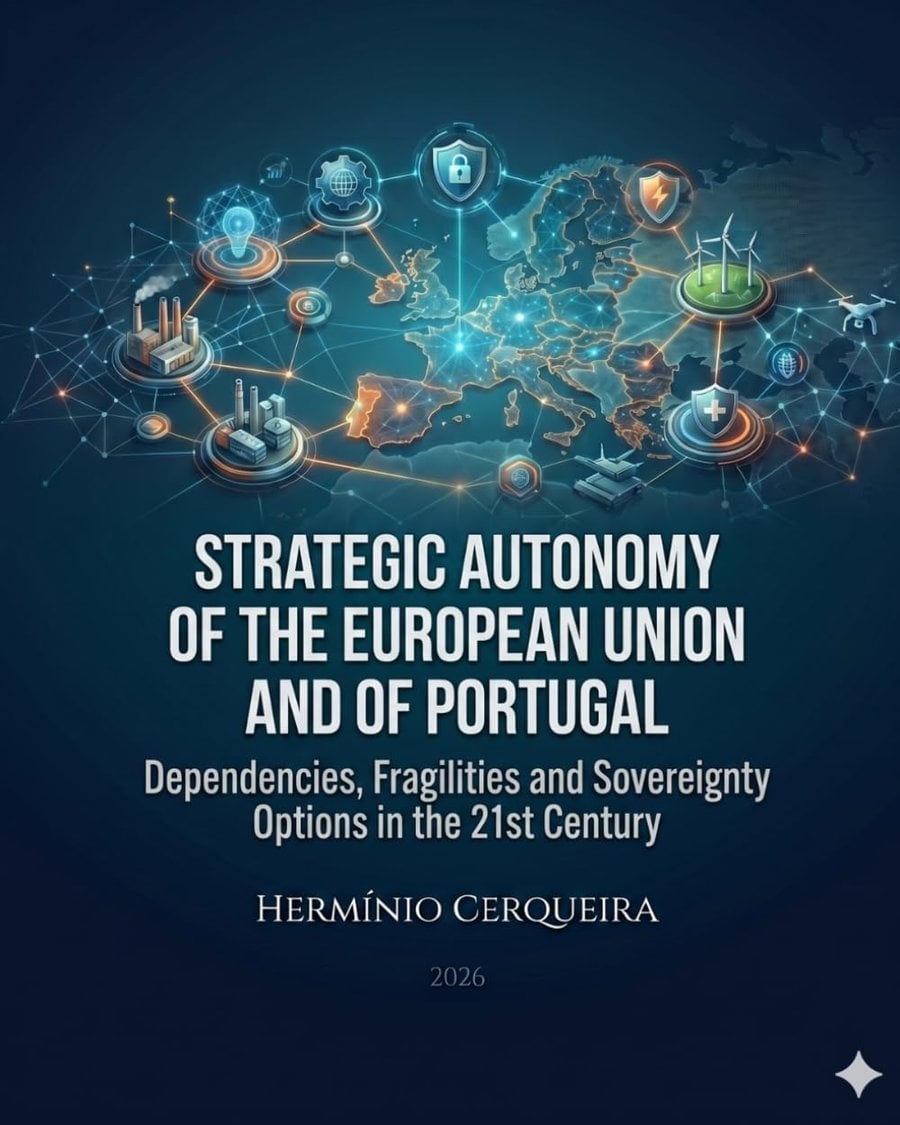
Strategic Autonomy from the European Union and from Portugal
2026 · 704 pages
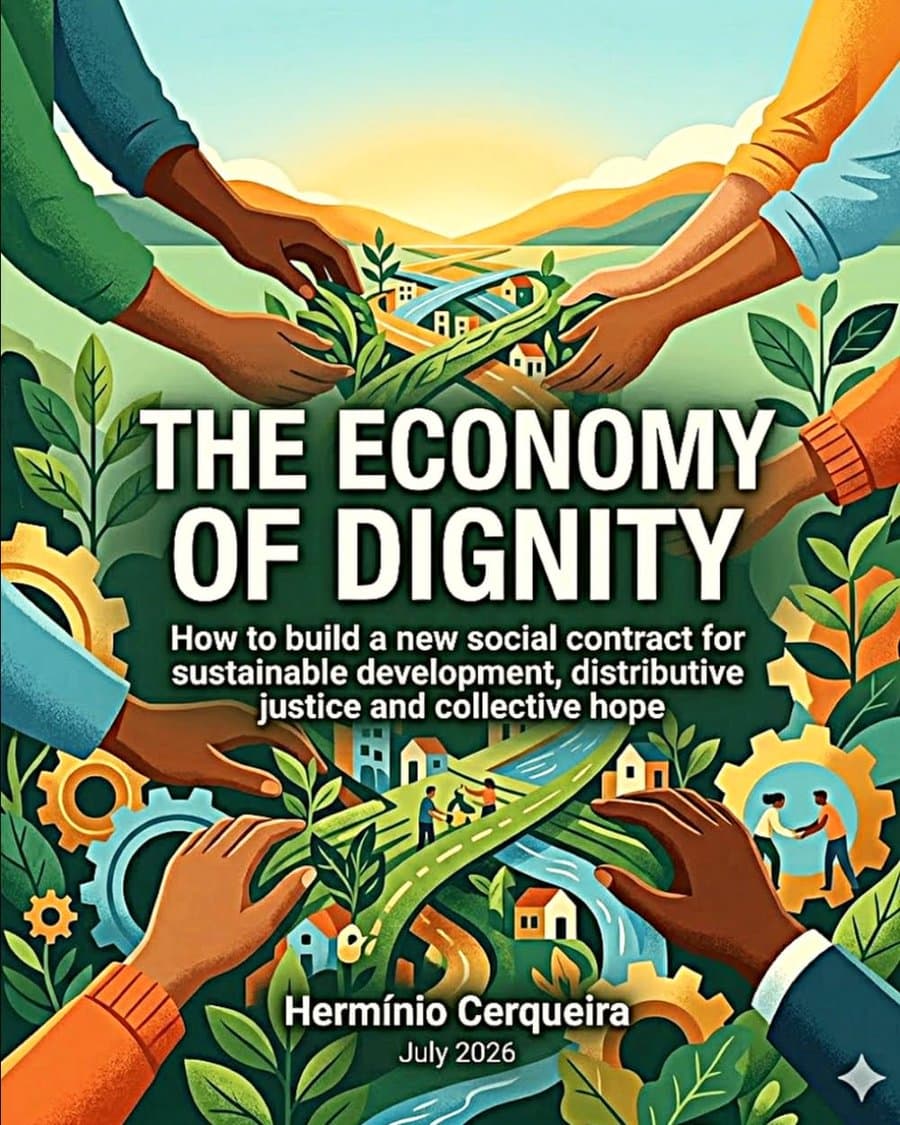
How to build a new social contract for sustainable development, distributive justice, and collective hope
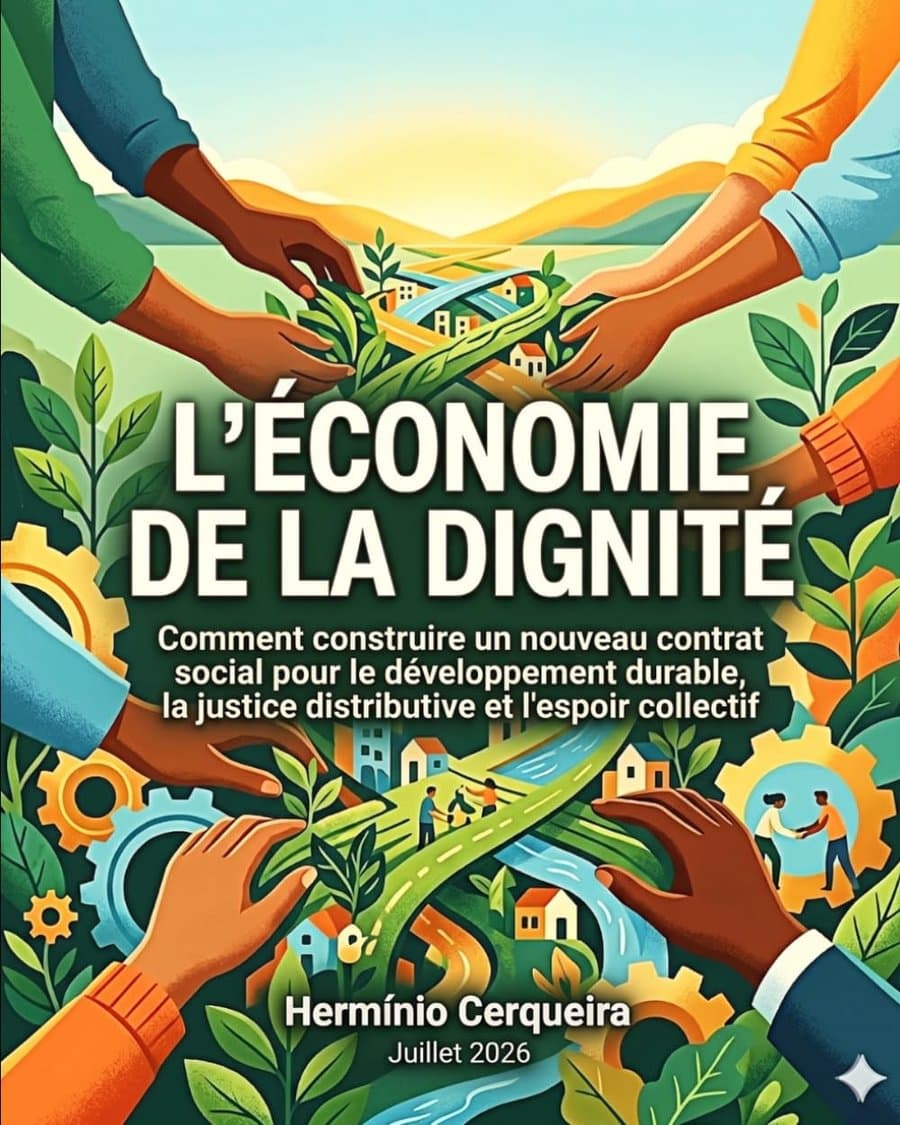
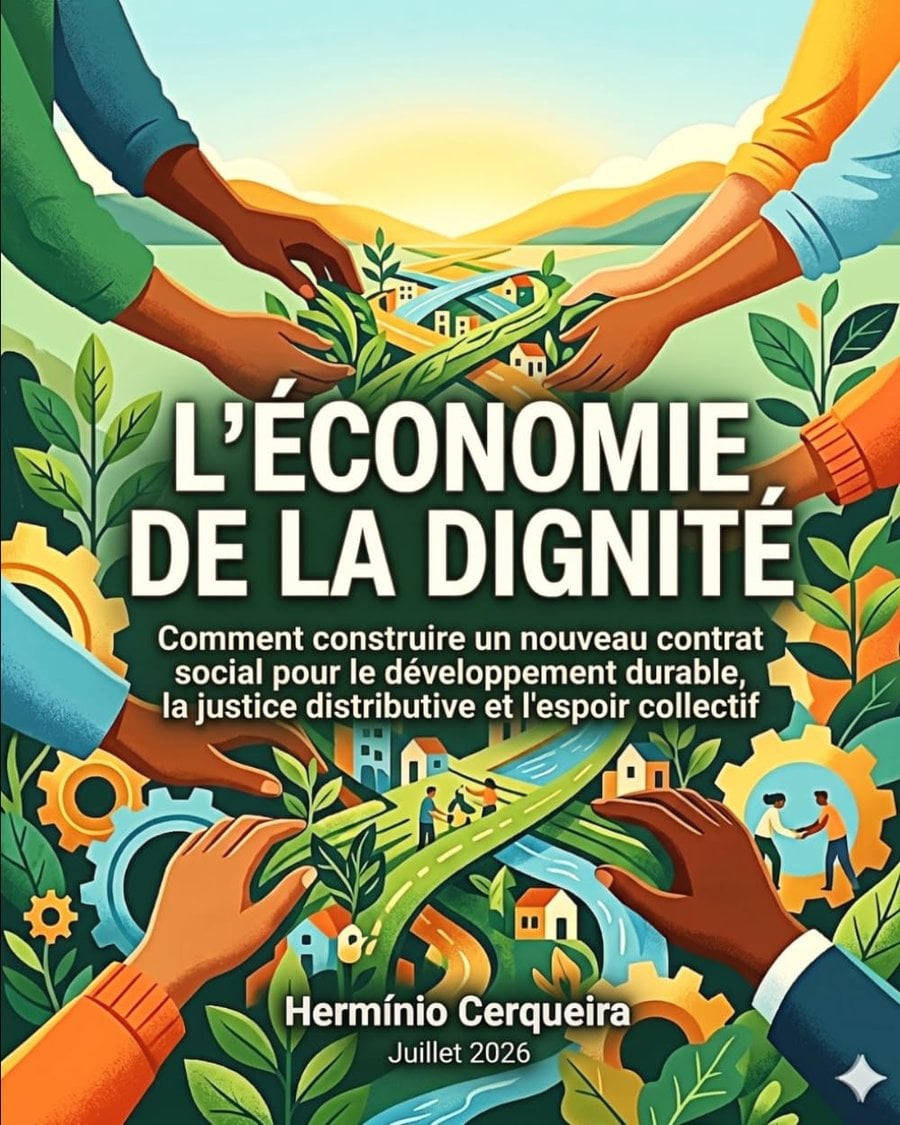
Comment construire un nouveau contrat social pour un développement durable, une justice distributive et un espoir collectif ?
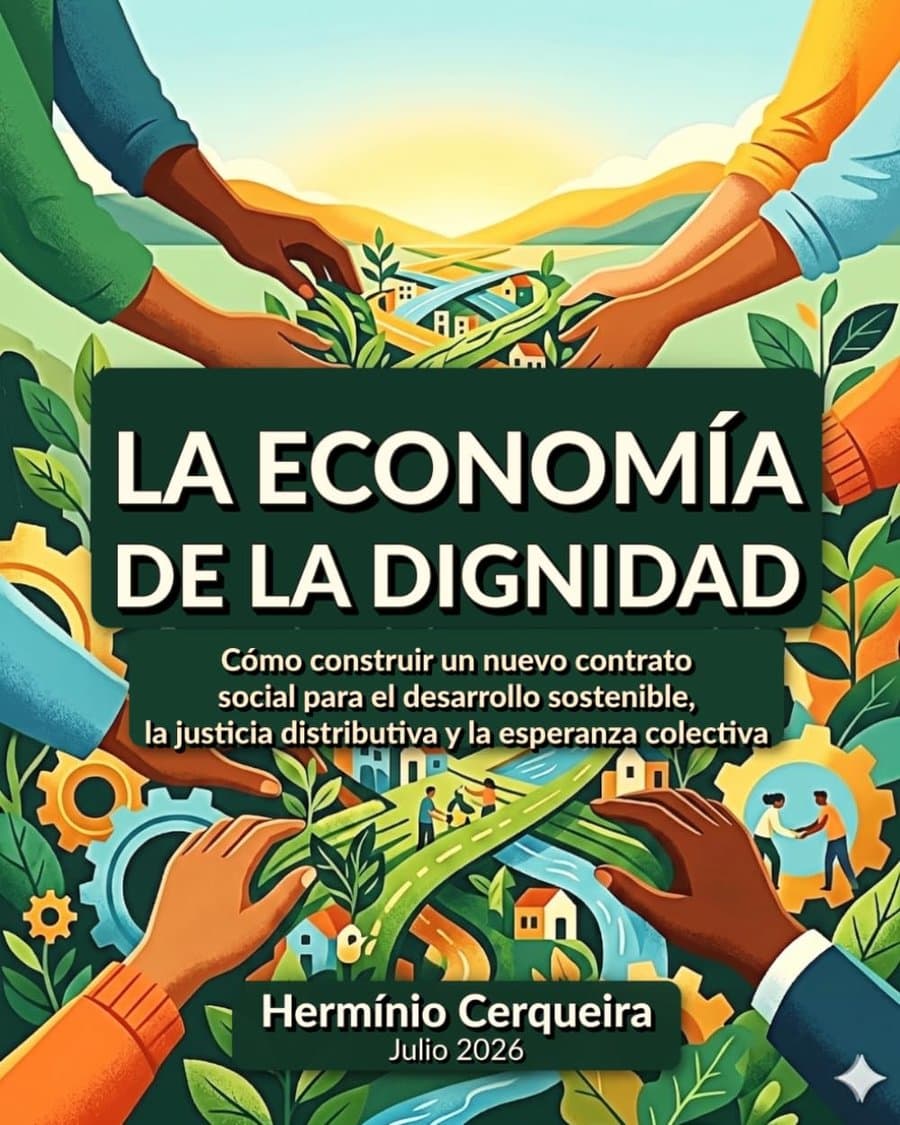
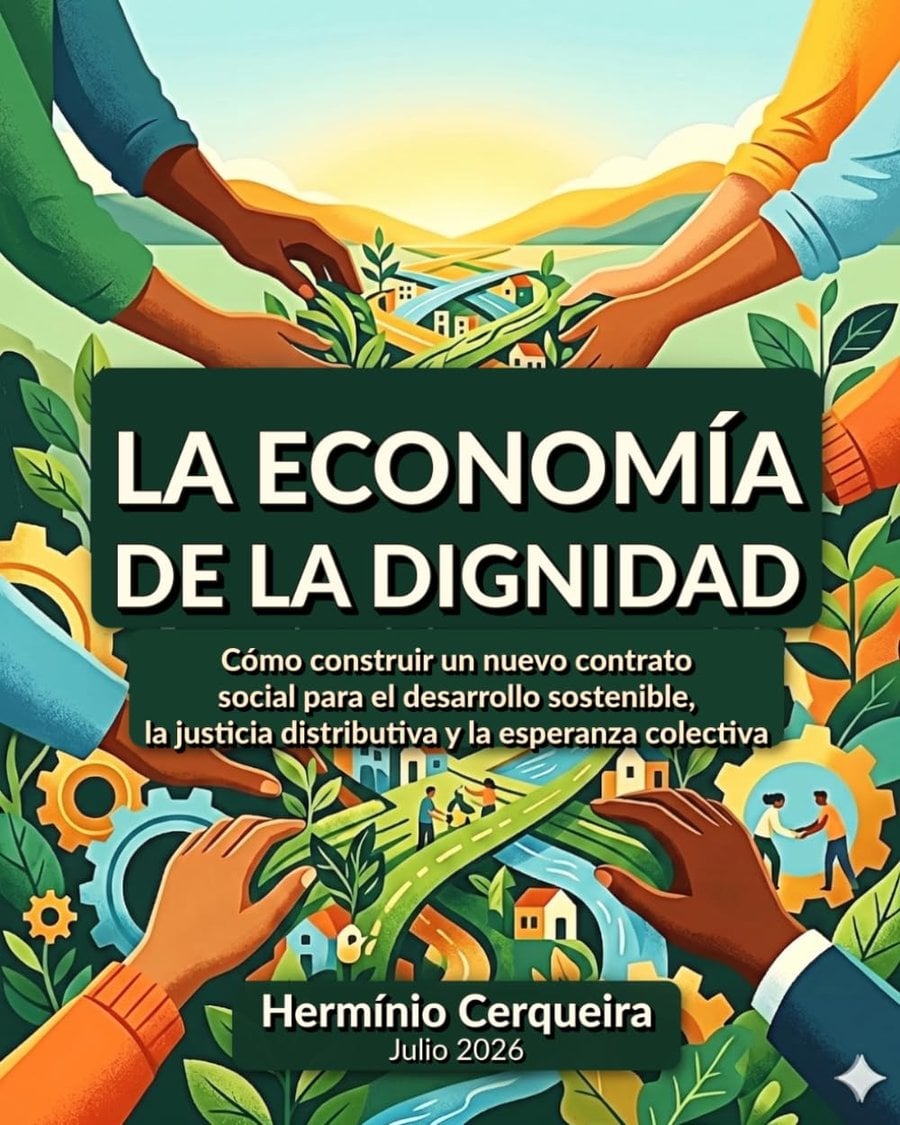
Cómo construir un nuevo contrato social para el desarrollo sostenible, la justicia distributiva y la esperanza colectiva
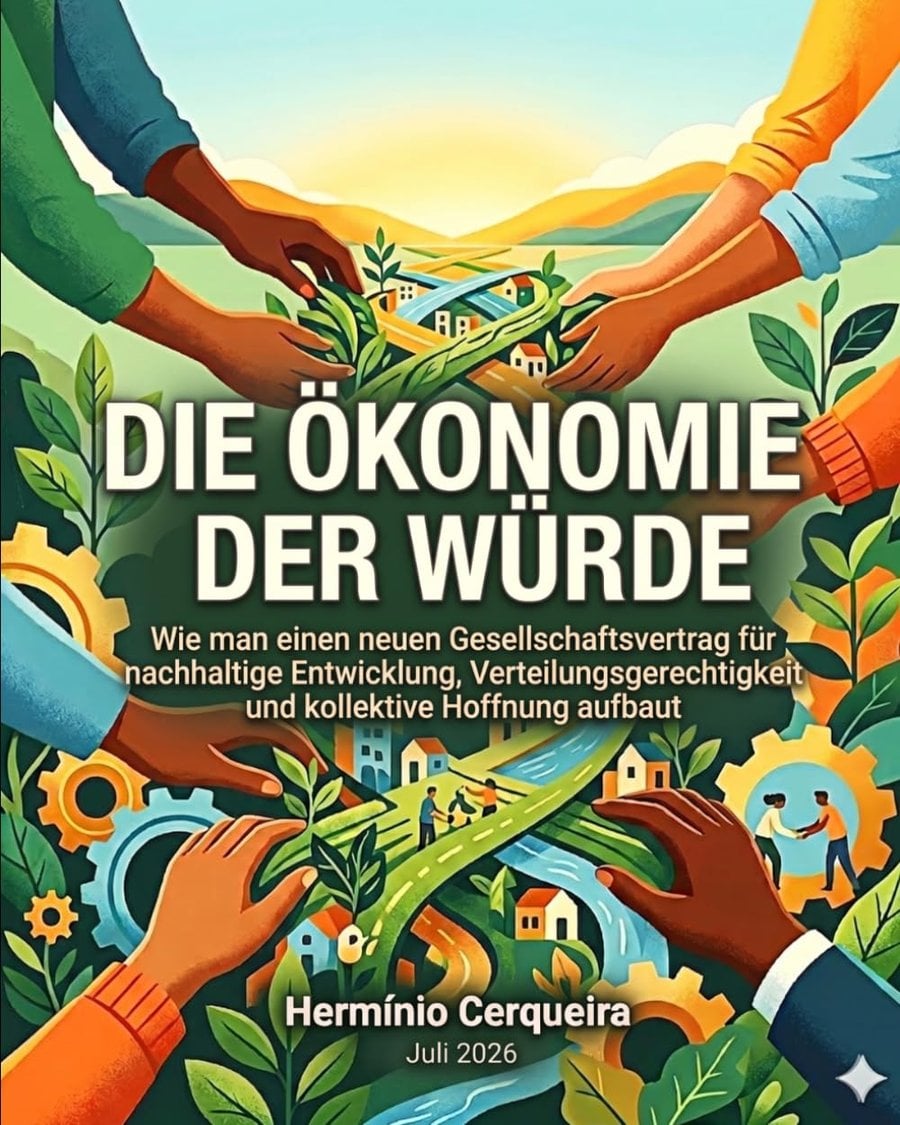
Wie lässt sich ein neuer Gesellschaftsvertrag für nachhaltige Entwicklung, Verteilungsgerechtigkeit und kollektive Hoffnung aufbauen?
“Contra a economia que conta pessoas, pela economia em que as pessoas contam.”
Text published with the English edition (Amazon).
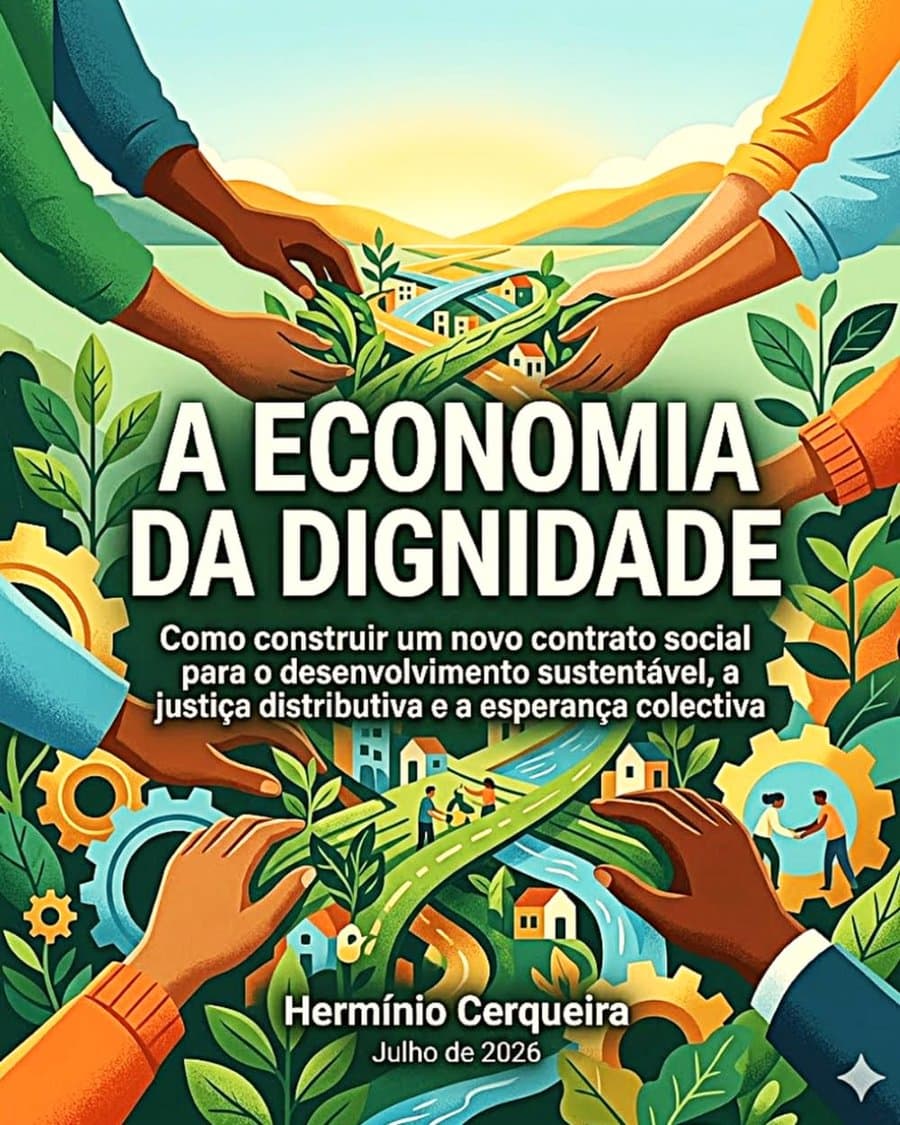
Description from the original edition, in Portuguese.
Text published with the French edition (Amazon).
Text published with the Spanish edition (Amazon).
Text published with the German edition (Amazon).
Humanity has never been so rich. Never has it possessed so much science, so much technology, so much installed capacity to feed, heal, educate, and shelter each of its members. And yet, never has the gap between what we can do and what we actually do been so scandalous, so well-documented, so impossible to ignore. This book is born from this wound: the awareness that we live within a paradox that is no longer merely moral, but statistical, measurable, certified by the most sober institutions of the international system. The numbers that describe it do not belong to pamphlets: they belong to the reports of the International Monetary Fund, the International Labour Organization, the World Bank, the World Inequality Lab, and European climate services. And what they say, read together, is of a clarity that dispenses with rhetoric.
In 2025, the richest ten percent of the world's adult population—approximately 560 million people—received 53 percent of all income generated on the planet, while the poorest half of humanity, nearly 2.8 billion adults, were content with 8 percent (Chancel et al., 2025). In terms of wealth, the asymmetry is even more staggering: the top ten percent hold approximately three-quarters of all personal wealth in the world, and the bottom half only 2 percent (Chancel et al., 2025). There is one number, however, that encapsulates all the others and deserves to be read slowly, as if reading a verdict: the top 0.001 percent of the distribution—less than 60,000 people—possesses three times more wealth than the entire poorest half of humanity combined (Chancel et al., 2025). 60,000 people on one side; 4 billion on the other. No theory of marginal productivity, no fable of merit, no arithmetic of business risk can explain this ratio without blushing.
And the tide continues to rise in the same direction. The wealth of billionaires grew by two trillion dollars in 2024, three times faster than the previous year, with two hundred and four new billionaires—almost four per week (Oxfam International, 2025). In 2025 it accelerated again: it rose by more than sixteen percent in a single year, reaching a record $18.3 trillion, and the number of billionaires surpassed three thousand for the first time in history; since 2020, billionaire wealth has increased by eighty-one percent, and today the twelve richest billionaires are enough to equal the wealth of more than four billion human beings (Oxfam International, 2026). Between 2000 and 2024, the top one percent captured forty-one percent of all new wealth created in the world (Chancel et al., 2025). We are not facing an accident of a globally just system; We are dealing with the operational logic of a system that distributes upwards by default.
Meanwhile, on the other side of the same river, 808 million people—one in ten on the planet—were living below the extreme poverty line of three dollars a day in 2025, according to the World Bank's most recent review (World Bank, 2025). Progress against extreme poverty has virtually stalled since 2019, hampered by pandemics, conflicts, and climate shocks, and is increasingly concentrated in Sub-Saharan Africa and fragile states. 2.1 billion workers earn a living in the informal sector, without basic rights, social protection, or income security; approximately 300 million work and yet remain in extreme poverty (International Labour Organization, 2026). They work—and are poor. This simple juxtaposition of two words should be enough to declare the contract that made them compatible bankrupt...
Nunca a humanidade foi tão rica. Nunca dispôs de tanta ciência, de tanta técnica, de tanta capacidade instalada para alimentar, curar, educar e abrigar cada um dos seus membros. E, no entanto, nunca a distância entre o que podemos e o que fazemos foi tão escandalosa, tão documentada, tão impossível de ignorar. Este livro nasce dessa ferida: a consciência de que vivemos no interior de um paradoxo que já não é apenas moral, mas estatístico, mensurável, certificado pelas instituições mais sóbrias do sistema internacional. Os números que o descrevem não pertencem a panfletos: pertencem aos relatórios do Fundo Monetário Internacional, da Organização Internacional do Trabalho, do Banco Mundial, do World Inequality Lab, dos serviços climáticos europeus. E o que eles dizem, lidos em conjunto, é de uma clareza que dispensa retórica.
Em 2025, os dez por cento mais ricos da população adulta mundial — cerca de quinhentos e sessenta milhões de pessoas — receberam cinquenta e três por cento de todo o rendimento gerado no planeta, enquanto a metade mais pobre da humanidade, perto de dois mil e oitocentos milhões de adultos, se contentou com oito por cento (Chancel et al., 2025). Na riqueza, a assimetria é ainda mais vertiginosa: os dez por cento do topo detêm aproximadamente três quartos de toda a riqueza pessoal do mundo, e a metade de baixo apenas dois por cento (Chancel et al., 2025). Há um número, porém, que condensa todos os outros e que merece ser lido devagar, como se lê um veredicto: o topo de 0,001 por cento da distribuição — menos de sessenta mil pessoas — possui três vezes mais riqueza do que toda a metade mais pobre da humanidade junta (Chancel et al., 2025). Sessenta mil pessoas de um lado; quatro mil milhões do outro. Nenhuma teoria da produtividade marginal, nenhuma fábula do mérito, nenhuma aritmética do risco empresarial consegue explicar esta proporção sem corar.
E a maré continua a subir para o mesmo lado. A riqueza dos bilionários cresceu dois biliões de dólares em 2024, três vezes mais depressa do que no ano anterior, com duzentos e quatro novos bilionários — quase quatro por semana (Oxfam International, 2025). Em 2025 voltou a acelerar: subiu mais de dezasseis por cento num único ano, atingindo o recorde de 18,3 biliões de dólares, e o número de bilionários ultrapassou os três mil pela primeira vez na história; desde 2020, a riqueza bilionária aumentou oitenta e um por cento, e hoje bastam os doze bilionários mais ricos para igualar a riqueza de mais de quatro mil milhões de seres humanos (Oxfam International, 2026). Entre 2000 e 2024, o um por cento do topo capturou quarenta e um por cento de toda a nova riqueza criada no mundo (Chancel et al., 2025). Não estamos perante um acidente de percurso de um sistema globalmente justo; estamos perante a lógica de funcionamento de um sistema que distribui por defeito para cima.
Enquanto isso, na outra margem do mesmo rio, oitocentos e oito milhões de pessoas — uma em cada dez no planeta — viviam em 2025 abaixo da linha de pobreza extrema de três dólares por dia, segundo a revisão mais recente do Banco Mundial (Banco Mundial, 2025). O progresso contra a pobreza extrema praticamente estagnou desde 2019, encalhado nas pandemias, nos conflitos e nos choques climáticos, e concentra-se de forma crescente na África Subsariana e nos Estados frágeis. Dois mil e cem milhões de trabalhadores ganham a vida na informalidade, sem direitos básicos, sem proteção social, sem segurança de rendimento; cerca de trezentos milhões trabalham e permanecem, ainda assim, em pobreza extrema (Organização Internacional do Trabalho, 2026). Trabalham — e são pobres. Esta simples justaposição de duas palavras deveria bastar para declarar falido o contrato que as tornou compatíveis...
Un nouveau contrat pour la dignité humaine
Le paradoxe de notre époque
L'humanité n'a jamais été aussi riche. Jamais elle n'a disposé d'autant de connaissances scientifiques, de technologies aussi avancées, d'une telle capacité à nourrir, soigner, éduquer et loger chacun de ses membres. Et pourtant, jamais le fossé entre ce que nous pourrions faire et ce que nous faisons réellement n'a été aussi scandaleux, aussi bien documenté, aussi impossible à ignorer. Ce livre est né de cette blessure : la prise de conscience que nous vivons au sein d'un paradoxe qui n'est plus seulement moral, mais statistique, mesurable, certifié par les institutions les plus sérieuses du système international. Les chiffres qui le décrivent ne figurent pas dans des brochures : ils proviennent des rapports du Fonds monétaire international, de l'Organisation internationale du travail, de la Banque mondiale, du Laboratoire mondial des inégalités et des services européens du climat. Et leur analyse conjointe révèle une clarté qui dispense de toute rhétorique.
En 2025, les 10 % les plus riches de la population adulte mondiale – soit environ 560 millions de personnes – percevaient 53 % de l'ensemble des revenus générés sur la planète, tandis que la moitié la plus pauvre de l'humanité, près de 2,8 milliards d'adultes, se contentait de 8 % (Chancel et al., 2025). En termes de richesse, l'asymétrie est encore plus frappante : les 10 % les plus riches détiennent environ les trois quarts de la richesse personnelle mondiale, et la moitié la plus pauvre seulement 2 % (Chancel et al., 2025). Un chiffre, cependant, résume tous les autres et mérite d'être analysé avec attention, comme s'il s'agissait d'un verdict : les 0,001 % les plus riches – moins de 60 000 personnes – possèdent trois fois plus de richesses que l'ensemble de la moitié la plus pauvre de l'humanité (Chancel et al., 2025). 60 000 personnes d'un côté ; 4 milliards de l'autre. Aucune théorie de la productivité marginale, aucune fable du mérite, aucune arithmétique du risque commercial ne peut expliquer ce ratio sans rougir.
Et la tendance se poursuit. La fortune des milliardaires a augmenté de deux mille milliards de dollars en 2024, soit trois fois plus vite que l'année précédente, avec l'apparition de deux cent quatre nouveaux milliardaires – près de quatre par semaine (Oxfam International, 2025). En 2025, cette croissance s'est encore accélérée : elle a progressé de plus de seize pour cent en une seule année, atteignant le chiffre record de 18 300 milliards de dollars, et le nombre de milliardaires a dépassé pour la première fois de l'histoire les trois mille. Depuis 2020, la fortune des milliardaires a augmenté de quatre-vingt-un pour cent, et aujourd'hui, les douze personnes les plus riches possèdent à elles seules la richesse de plus de quatre milliards d'êtres humains (Oxfam International, 2026). Entre 2000 et 2024, les 1 % les plus riches ont capté quarante et un pour cent de toute la nouvelle richesse créée dans le monde (Chancel et al., 2025). Nous ne sommes pas confrontés au hasard d'un système globalement juste ; Nous traitons ici de la logique opérationnelle d'un système qui distribue par défaut vers le haut.
Pendant ce temps, de l'autre côté de ce même fleuve, 808 millions de personnes – soit une personne sur dix sur la planète – vivaient sous le seuil d'extrême pauvreté, fixé à trois dollars par jour, en 2025, selon la dernière étude de la Banque mondiale (Banque mondiale, 2025). Les progrès dans la lutte contre l'extrême pauvreté sont au point mort depuis 2019, freinés par les pandémies, les conflits et les chocs climatiques, et se concentrent de plus en plus en Afrique subsaharienne et dans les États fragiles...
Un nuevo contrato para la dignidad humana
La paradoja de nuestro tiempo
La humanidad nunca ha sido tan rica. Nunca ha contado con tanta ciencia, tanta tecnología, tanta capacidad instalada para alimentar, curar, educar y dar cobijo a cada uno de sus miembros. Y, sin embargo, nunca la brecha entre lo que podemos hacer y lo que realmente hacemos ha sido tan escandalosa, tan bien documentada, tan imposible de ignorar. Este libro nace de esta herida: la conciencia de que vivimos inmersos en una paradoja que ya no es meramente moral, sino estadística, medible, certificada por las instituciones más serias del sistema internacional. Las cifras que la describen no pertenecen a folletos: pertenecen a los informes del Fondo Monetario Internacional, la Organización Internacional del Trabajo, el Banco Mundial, el Laboratorio Mundial de la Desigualdad y los servicios climáticos europeos. Y lo que dicen, leídos en conjunto, tiene una claridad que prescinde de la retórica.
En 2025, el diez por ciento más rico de la población adulta mundial —aproximadamente 560 millones de personas— recibió el 53 por ciento de todos los ingresos generados en el planeta, mientras que la mitad más pobre de la humanidad, casi 2.800 millones de adultos, se contentó con el 8 por ciento (Chancel et al., 2025). En términos de riqueza, la asimetría es aún más asombrosa: el diez por ciento más rico posee aproximadamente tres cuartas partes de toda la riqueza personal del mundo, y la mitad más pobre solo el 2 por ciento (Chancel et al., 2025). Sin embargo, hay una cifra que resume todas las demás y merece ser leída con detenimiento, como si se tratara de un veredicto: el 0,001 por ciento más rico de la distribución —menos de 60.000 personas— posee tres veces más riqueza que toda la mitad más pobre de la humanidad junta (Chancel et al., 2025). 60.000 personas por un lado; 4.000 millones por el otro. Ninguna teoría de la productividad marginal, ninguna fábula del mérito, ninguna aritmética del riesgo empresarial puede explicar esta proporción sin sonrojarse.
Y la marea sigue subiendo en la misma dirección. La riqueza de los multimillonarios creció en dos billones de dólares en 2024, tres veces más rápido que el año anterior, con doscientos cuatro nuevos multimillonarios, casi cuatro por semana (Oxfam International, 2025). En 2025 se aceleró de nuevo: aumentó en más del dieciséis por ciento en un solo año, alcanzando un récord de 18,3 billones de dólares, y el número de multimillonarios superó los tres mil por primera vez en la historia; desde 2020, la riqueza de los multimillonarios ha aumentado en un ochenta y uno por ciento, y hoy los doce multimillonarios más ricos son suficientes para igualar la riqueza de más de cuatro mil millones de seres humanos (Oxfam International, 2026). Entre 2000 y 2024, el uno por ciento más rico capturó el cuarenta y uno por ciento de toda la nueva riqueza creada en el mundo (Chancel et al., 2025). No estamos ante un accidente de un sistema globalmente justo; Estamos ante la lógica operativa de un sistema que distribuye hacia arriba por defecto.
Mientras tanto, al otro lado del mismo río, 808 millones de personas —una de cada diez en el planeta— vivían por debajo del umbral de pobreza extrema de tres dólares al día en 2025, según el informe más reciente del Banco Mundial (Banco Mundial, 2025). El progreso contra la pobreza extrema prácticamente se ha estancado desde 2019, obstaculizado por pandemias, conflictos y crisis climáticas, y se concentra cada vez más en el África subsahariana y los estados frágiles. 2100 millones de trabajadores se ganan la vida en el sector informal, sin derechos básicos, protección social ni seguridad de ingresos; aproximadamente 300 millones trabajan y, sin embargo, siguen viviendo en la pobreza extrema (Organización Internacional del Trabajo, 2026). Trabajan y son pobres. Esta simple yuxtaposición de dos palabras debería ser suficiente para declarar inválido el contrato que las hacía compatibles
Ein neuer Vertrag für die Menschenwürde
Das Paradoxon unserer Zeit
Die Menschheit war noch nie so reich. Nie verfügte sie über so viel Wissenschaft, so viel Technologie, so viel installierte Kapazität, um jeden einzelnen ihrer Mitglieder zu ernähren, zu heilen, zu bilden und zu beherbergen. Und doch war die Kluft zwischen dem, was wir tun könnten, und dem, was wir tatsächlich tun, noch nie so skandalös, so gut dokumentiert, so unübersehbar. Dieses Buch ist aus dieser Wunde geboren: dem Bewusstsein, dass wir in einem Paradoxon leben, das nicht länger nur moralischer, sondern statistischer, messbarer Natur ist und von den seriösesten Institutionen des internationalen Systems bestätigt wird. Die Zahlen, die es beschreiben, stammen nicht aus Broschüren: Sie stammen aus den Berichten des Internationalen Währungsfonds, der Internationalen Arbeitsorganisation, der Weltbank, des World Inequality Lab und der europäischen Klimadienste. Und was sie zusammengenommen aussagen, ist von einer Klarheit, die ohne Rhetorik auskommt.
Im Jahr 2025 bezogen die reichsten zehn Prozent der erwachsenen Weltbevölkerung – etwa 560 Millionen Menschen – 53 Prozent des gesamten globalen Einkommens, während die ärmere Hälfte der Menschheit, fast 2,8 Milliarden Erwachsene, sich mit 8 Prozent begnügen musste (Chancel et al., 2025). Die Vermögensasymmetrie ist sogar noch eklatanter: Die obersten zehn Prozent besitzen rund drei Viertel des weltweiten Privatvermögens, die ärmere Hälfte hingegen nur 2 Prozent (Chancel et al., 2025). Eine Zahl jedoch fasst alles andere zusammen und verdient es, langsam und mit Bedacht gelesen zu werden, wie ein Urteil: Die obersten 0,001 Prozent der Verteilung – weniger als 60.000 Menschen – besitzen dreimal so viel Vermögen wie die gesamte ärmere Hälfte der Menschheit zusammen (Chancel et al., 2025). 60.000 Menschen auf der einen Seite, 4 Milliarden auf der anderen. Keine Theorie der Grenzproduktivität, keine Verdienstfabel, keine Arithmetik des Geschäftsrisikos kann dieses Verhältnis erklären, ohne dabei erröten zu müssen.
Und der Trend setzt sich fort. Das Vermögen der Milliardäre wuchs 2024 um zwei Billionen Dollar, dreimal so schnell wie im Vorjahr, mit 204 neuen Milliardären – fast vier pro Woche (Oxfam International, 2025). 2025 beschleunigte sich das Wachstum erneut: Es stieg um mehr als 16 Prozent innerhalb eines Jahres auf einen Rekordwert von 18,3 Billionen Dollar, und die Zahl der Milliardäre überstieg erstmals in der Geschichte die Dreitausendermarke. Seit 2020 ist das Vermögen der Milliardäre um 81 Prozent gestiegen, und heute entspricht das Vermögen der zwölf reichsten Milliardäre dem Vermögen von mehr als vier Milliarden Menschen (Oxfam International, 2026). Zwischen 2000 und 2024 vereinnahmte das oberste Prozent 41 Prozent des gesamten weltweit neu geschaffenen Vermögens (Chancel et al., 2025). Wir stehen hier nicht vor einem Zufall eines global gerechten Systems; Wir befassen uns mit der Betriebslogik eines Systems, das standardmäßig nach oben verteilt.
Unterdessen lebten auf der anderen Seite desselben Flusses laut dem jüngsten Bericht der Weltbank (Weltbank, 2025) 808 Millionen Menschen – jeder zehnte Mensch auf der Erde – unterhalb der extremen Armutsgrenze von drei US-Dollar pro Tag (Stand: 2025). Die Fortschritte im Kampf gegen extreme Armut sind seit 2019 praktisch zum Stillstand gekommen, behindert durch Pandemien, Konflikte und Klimaschocks, und konzentrieren sich zunehmend auf Subsahara-Afrika und fragile Staaten. 2,1 Milliarden Menschen verdienen ihren Lebensunterhalt im informellen Sektor ohne Grundrechte, soziale Absicherung oder Einkommenssicherheit; etwa 300 Millionen von ihnen arbeiten und leben dennoch in extremer Armut (Internationale Arbeitsorganisation, 2026). Sie arbeiten – und sind arm. Diese einfache Gegenüberstellung zweier Wörter sollte genügen, um den Vertrag, der sie miteinander vereinbar machte, für gescheitert zu erklären.
English edition:
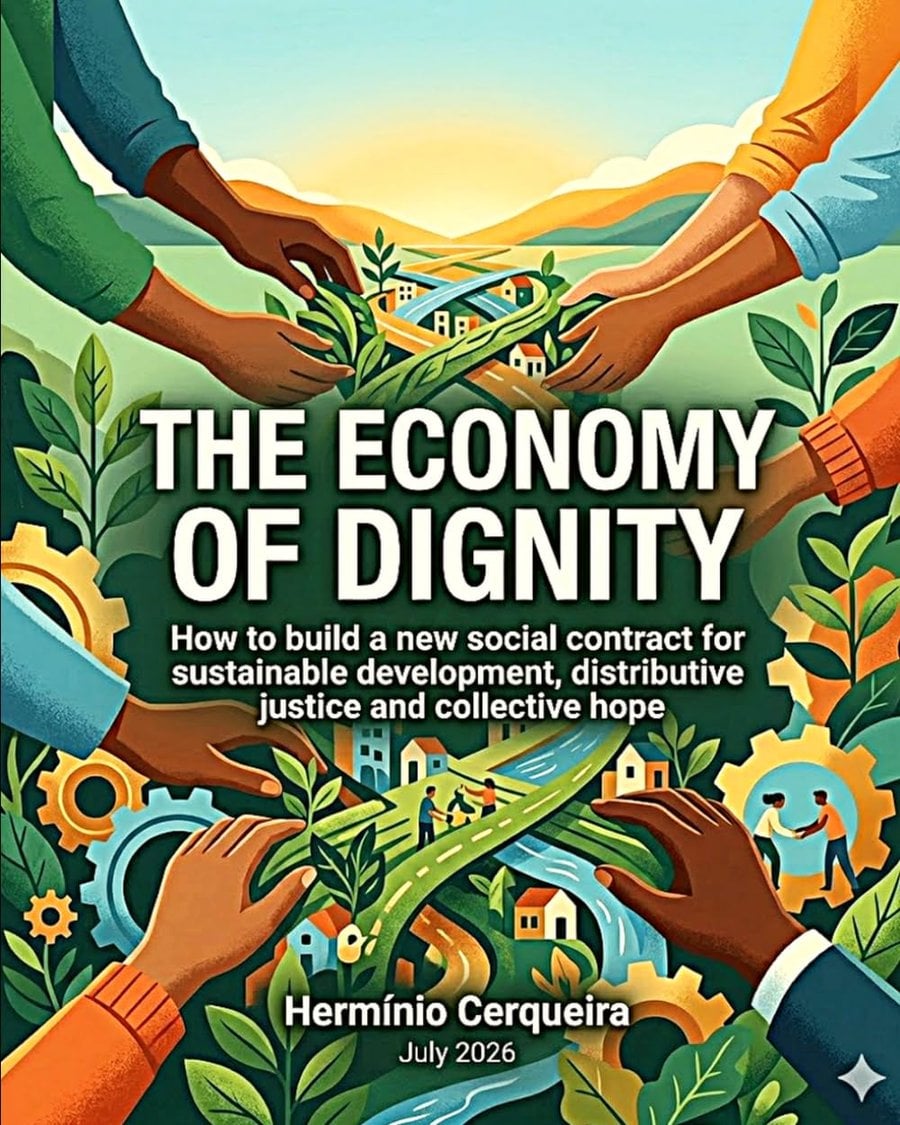
The Economy of Dignity
723 pagesKindle and paperback
Portuguese edition:
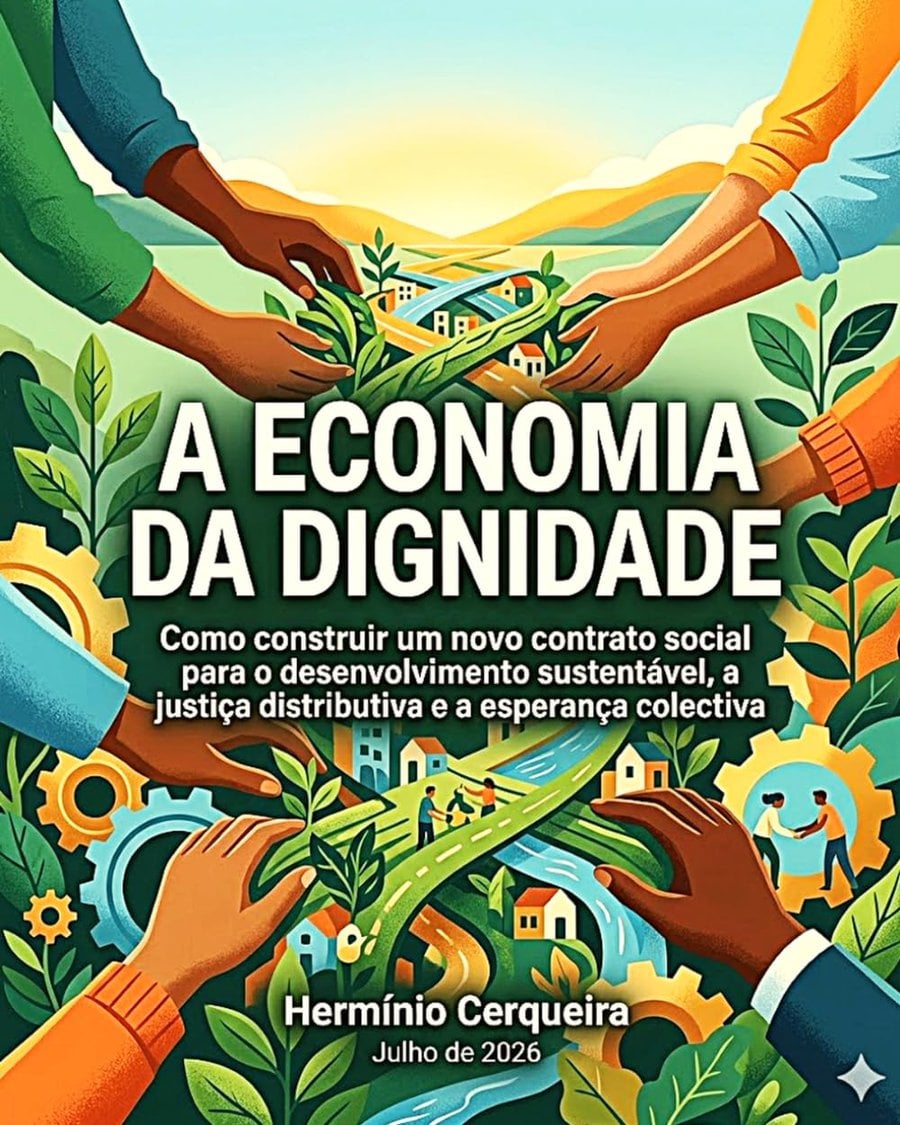
A Economia da Dignidade
734 pagesKindle and paperback
French edition:
L’économie de la dignité
793 pagesKindle and paperback
Spanish edition:
La economía de la dignidad
772 pagesKindle and paperback
German edition:
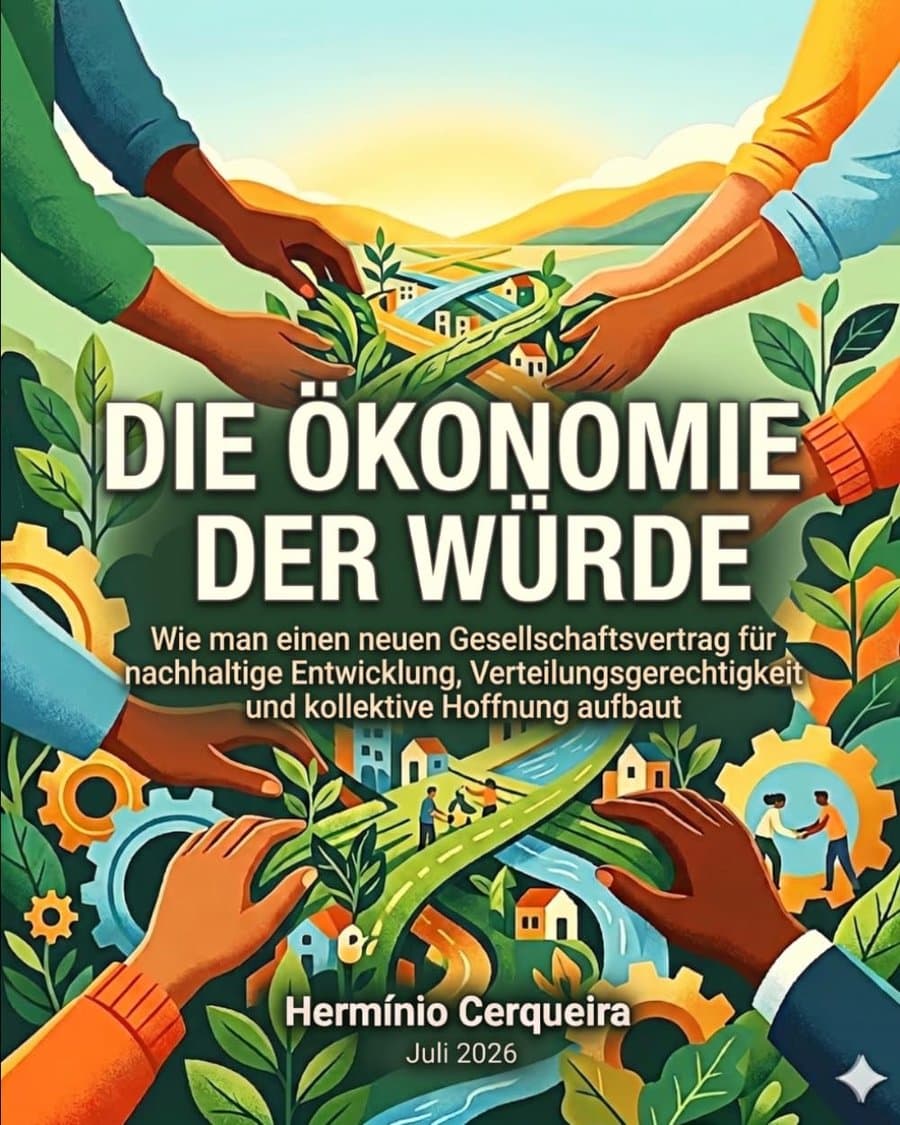
Die Ökonomie der Würde
820 pagesKindle and paperback
Original text in Portuguese.
Datado de Julho de 2026 e publicado em quatro línguas, este é o livro mais normativo do eixo — e talvez o mais pessoal na sua ambição moral. Parte de um paradoxo enunciado logo na primeira página do prefácio: «Nunca a humanidade foi tão rica» e, no entanto, nunca a distância entre o que podemos e o que fazemos foi tão escandalosa. Os números que sustentam a ferida não vêm de panfletos, mas dos relatórios do FMI, da OIT, do Banco Mundial e do World Inequality Lab: os dez por cento mais ricos recebem 53% do rendimento mundial; menos de sessenta mil pessoas — o topo de 0,001% — possuem três vezes mais riqueza do que quatro mil milhões de seres humanos. A tese central segue a bandeira do World Inequality Report: a desigualdade contemporânea «é uma escolha política, não uma fatalidade» — é arquitectura, não geologia, e o que foi desenhado pode ser redesenhado.
O livro recusa expressamente duas ilusões simétricas — a do mercado autocorrector, que quarenta anos de dados falsificaram, e a das soluções simplistas, sejam elas o proteccionismo, o decrescimento por decreto ou o homem providencial — e escolhe «o caminho mais difícil e mais fecundo: o da engenharia institucional democrática, fundada em evidência, orçamentada, faseada, avaliada». O seu núcleo propositivo é um modelo com nome próprio, o MIDSEE — Modelo Integrado de Desenvolvimento Sustentado com Equidade Estrutural —, assente em quatro pilares: trabalho digno como direito efectivo, piso de rendimento «como infra-estrutura, não como caridade», fiscalidade justa nacional e global, e sustentabilidade como condição de tudo o resto. A estrutura em cinco partes — diagnóstico, fundamentos teóricos, arquitectura do modelo, implementação e governação, e uma Parte V inteiramente dedicada a Portugal («Portugal como prova») — culmina num epílogo ensaístico de grande fôlego literário.
Os diálogos intelectuais definem o mapa da economia política contemporânea: Piketty e a crítica construtiva ao r > g; Milanović e a Grande Convergência, honestamente admitida e integrada; Sen e Nussbaum na abordagem das capacidades; Acemoglu na gramática das instituições inclusivas; Mazzucato no Estado investidor; Polanyi e a grande transformação; e, num registo mais fundo, Aristóteles (a oikonomia contra a crematística), Adam Smith relido a partir da Teoria dos Sentimentos Morais, John Donne, Genovesi e a economia civil da pubblica felicità, até à tradição portuguesa — Antero, Sophia, Camões, Pessoa. A frase-âncora do livro, repetida do prefácio ao epílogo, é uma proposição sobre a natureza relacional do bem-estar: «só se é feliz no meio de felizes». E a divisa final condensa o programa: «Contra a economia que conta pessoas, pela economia em que as pessoas contam.»
No lugar da obra, A Economia da Dignidade é o contraponto interno da Autonomia Estratégica: se aquela constrói a soberania externa, esta constrói a coesão interna sem a qual — como o próprio autor argumenta na nona tese da Esperança Lúcida — nenhuma estratégia de resiliência nacional funciona a médio prazo. O caso português, com o Gini mais baixo desde os anos noventa e a dívida abaixo dos noventa por cento do PIB, é mobilizado não como triunfo, mas como demonstração de que «a desigualdade responde à política. Onde há escolha, há margem. Onde há margem, há responsabilidade.»
“o caminho mais difícil e mais fecundo: o da engenharia institucional democrática, fundada em evidência, orçamentada, faseada, avaliada”
“Nunca a humanidade foi tão rica”
“é uma escolha política, não uma fatalidade”
“só se é feliz no meio de felizes”
“a desigualdade responde à política. Onde há escolha, há margem. Onde há margem, há responsabilidade.”
“como infra-estrutura, não como caridade”
Source: «A Obra Comentada» (Sintra, Julho de 2026) — comentário crítico
2026 · 704 pages
2026 · 657 pages