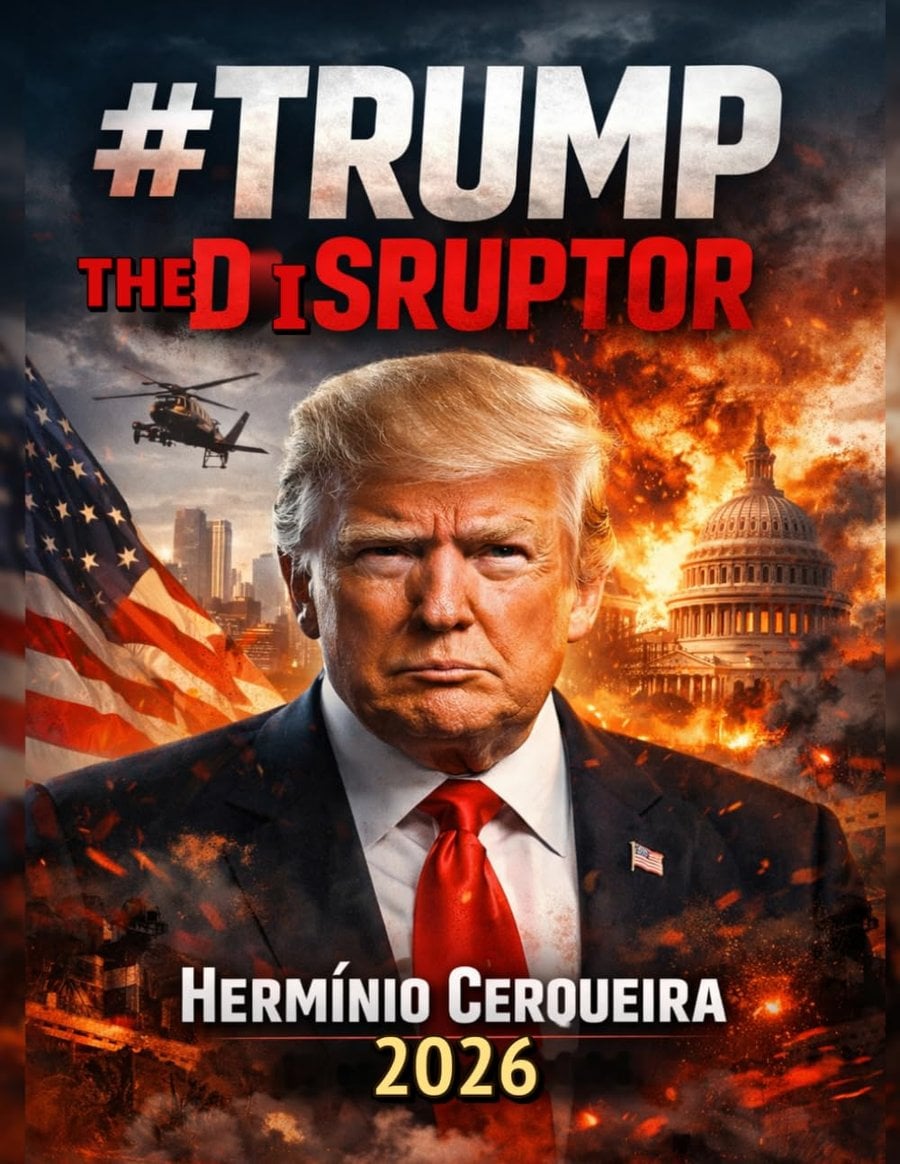

Democracy, Populism, and Post-truth
The Marquês Process and the Collapse of Guarantees · Volume 2
2026 · 617 pages
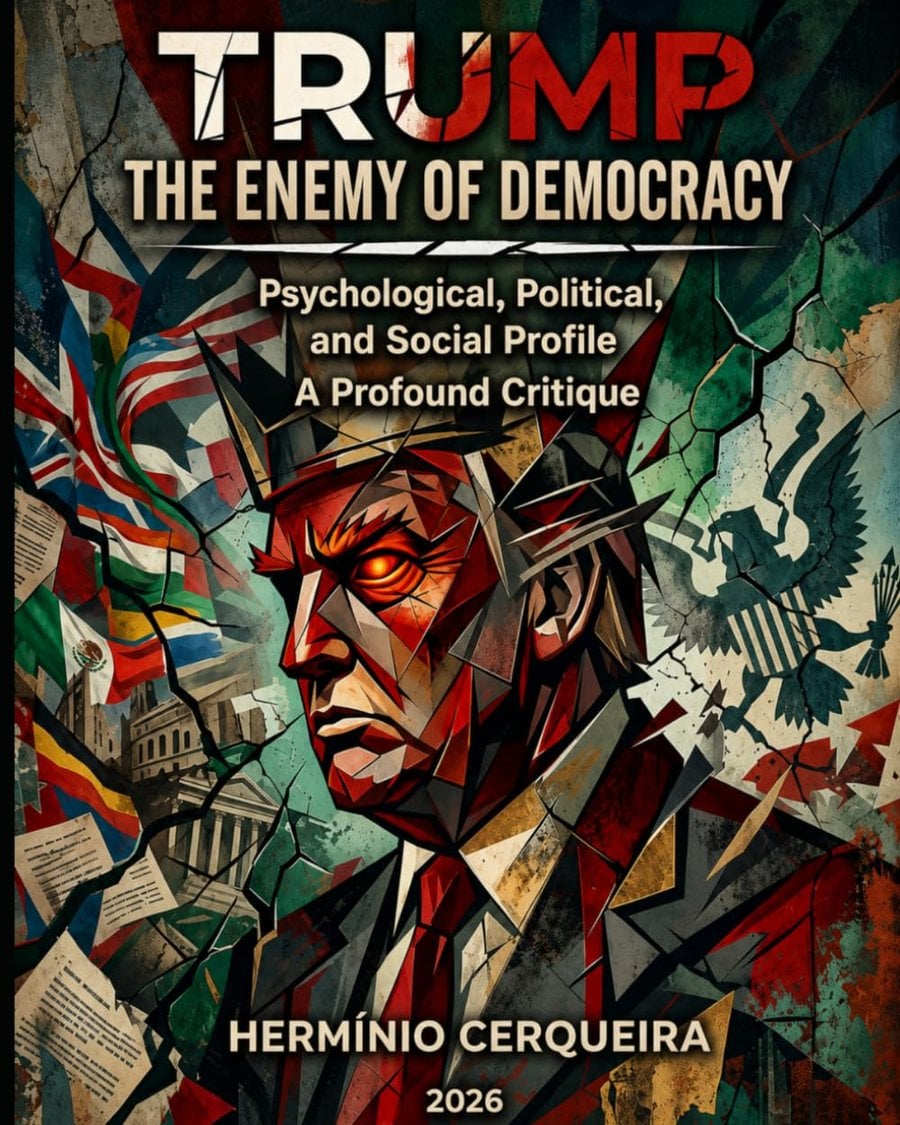
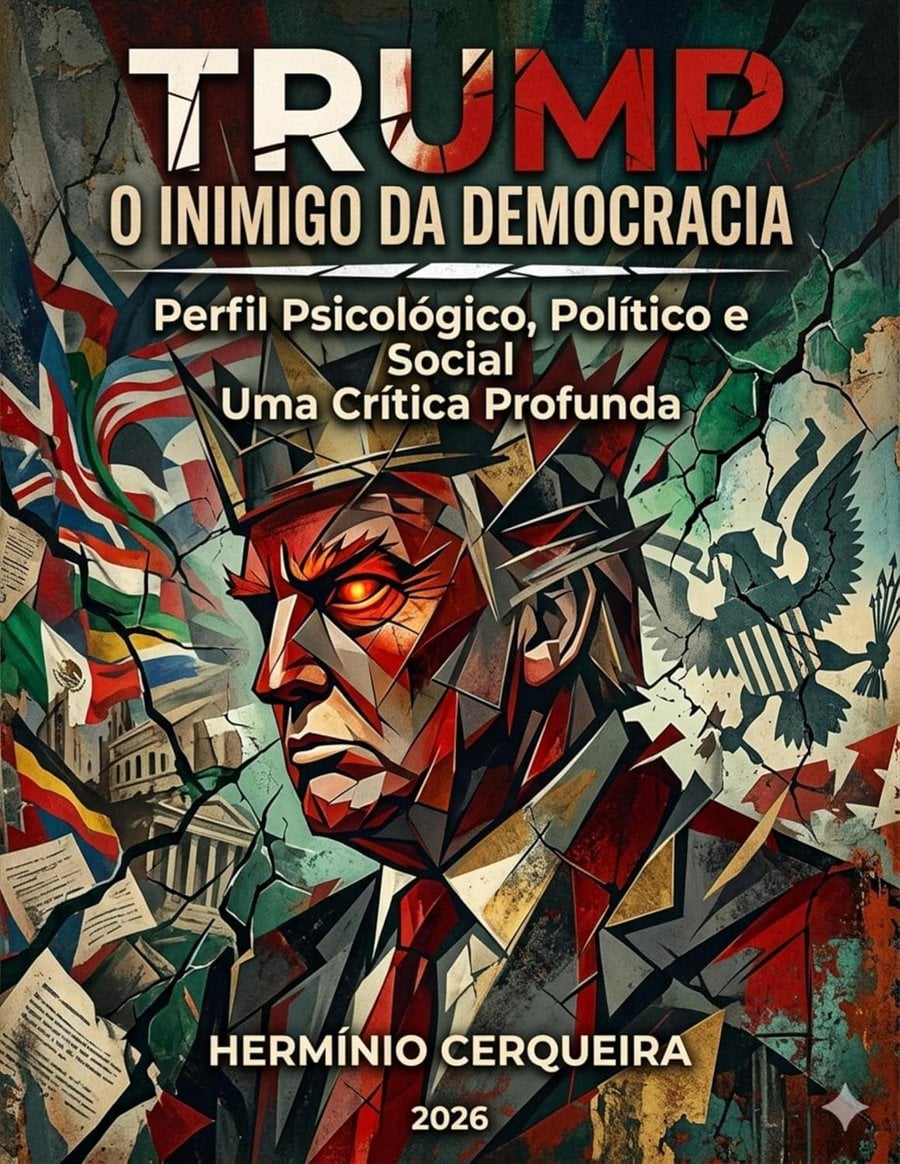
Psychological, Political, and Social Profile. A Critical Inquiry
Psychological, Political, and Social Profile
Available in 2 languages
“A liberdade existe apenas onde os homens agem em conjunto.”
Text published with the English edition (Amazon).
Description from the original edition, in Portuguese.
To those who resist.
To those who refuse fear.
To those who remember that liberty is never secure.
"The ideal subject of totalitarian rule
is not the convinced Nazi or the convinced Communist,
but people for whom the distinction
between fact and fiction,
true and false, no longer exists."
— Hannah Arendt, The Origins of Totalitarianism (1951)
I write these lines in the spring of 2026, at a moment when American democracy is undergoing its most serious institutional crisis since the Civil War. In January 2025, Donald J. Trump began his second presidential term, and over the first sixteen months he has executed — methodically and without disguise — much of the program that the document Mandate for Leadership (commonly known as Project 2025) had outlined in 2023. The purge of career civil servants, the militarization of the borders, the confrontation with federal courts, the punitive reorganization of the Department of Justice, the generalized tariff war, the effective withdrawal from NATO in everything but name, the dismantling of assistance programs to Ukraine, and the normalization of relations with autocratic regimes — all of this has ceased to be a nightmare hypothesis and has become observable daily reality.
I am not, therefore, writing about a threat. I am writing about a reality already underway. And I write as a Portuguese and European citizen, conscious that what is happening in the world's largest democracy is not a foreign matter, but a domestic problem. Today Portugal lives, like the entire European Union, under the direct impact of choices made in Washington: the Atlantic economy fragmented, collective defense weakened, multilateralism eroded, trust in democratic processes undermined by a wave of disinformation whose epicenter lies in the United States but whose reach is truly global. Trump's foreign policy is not external to us; it crosses the Tagus, enters through Marquês de Pombal, conditions what happens in Brussels, in Berlin, in Lisbon.
A legitimate question arises: why one more book about Trump? The bibliography is already vast and qualified. The answer has three layers. First, because there is a need for a rigorous, multidisciplinary synthesis that articulates the psychological, political, and social dimensions of the Trump phenomenon, and that does so in a register that is at once scientific and accessible. Second, because the interview that Tucker Carlson gave to The New York Times Magazine in May 2026 — conducted by the journalist Lulu Garcia-Navarro — opened an argumentative fissure within the MAGA camp itself that deserves to be examined with serious analytical tools. Third, because the reader needs instruments to understand what is at stake, lest he or she watch, without critical instruments, the corrosion of his or her own institutions.
The Carlson interview, read attentively, is not merely a public relations exercise. It reveals internal tensions within the movement that Trump catalyzed: tensions between Christian nationalism and technological libertarianism, between isolationism and militarism, between the white working-class base and the financial oligarchy that has finally captured the Republican Party. Carlson, for reasons that are both strategic and ideological, dared to say publicly things that the Trumpist establishment would prefer to silence. That moment is symptomatic and deserves interpretation.
Escrevo estas linhas na primavera de 2026, num momento em que a democracia americana atravessa a sua mais grave crise institucional desde a Guerra Civil. Donald J. Trump iniciou em Janeiro de 2025 o seu segundo mandato presidencial e, ao longo dos primeiros dezasseis meses, executou — com método e sem disfarce — boa parte do programa que o documento Mandate for Leadership (vulgo Projecto 2025) havia delineado em 2023. A purga do funcionalismo público de carreira, a militarização das fronteiras, a confrontação com tribunais federais, a reorganização punitiva do Departamento de Justiça, a guerra tarifária generalizada, a retirada efectiva da NATO em tudo menos no nome, o desmantelamento dos programas de assistência à Ucrânia e a normalização de relações com regimes autocráticos — tudo isto deixou de ser hipótese de pesadelo e passou a ser quotidiano constatável.
Não escrevo, portanto, sobre uma ameaça. Escrevo sobre uma realidade já em curso. E escrevo enquanto cidadão português e europeu, consciente de que aquilo que ocorre na maior democracia do mundo não é matéria estrangeira, mas problema doméstico. Portugal vive hoje, como toda a União Europeia, sob o impacto directo das opções
English edition:
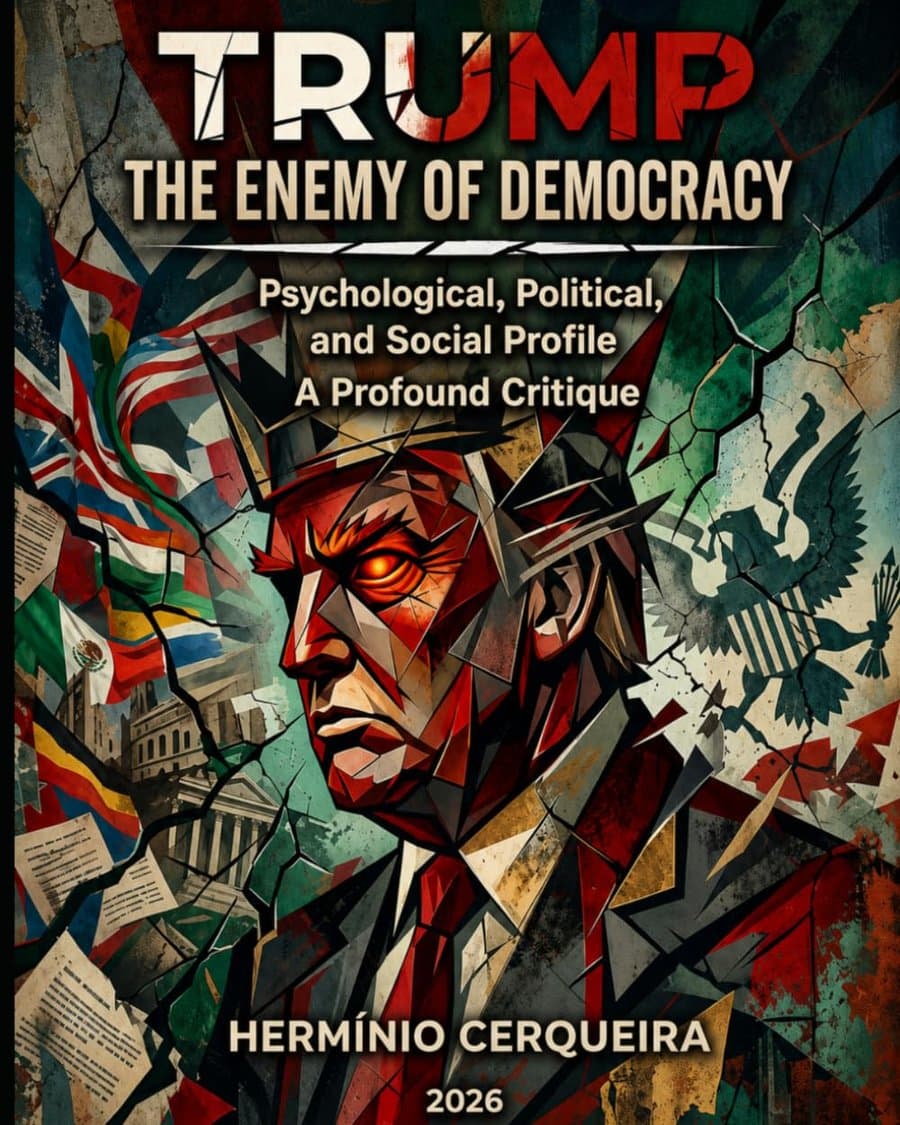
Trump the Enemy of Democracy
554 pagesKindle and paperback
Sold in the publisher’s own store and, where indicated, in other bookstores — not on Amazon.
Portuguese edition:
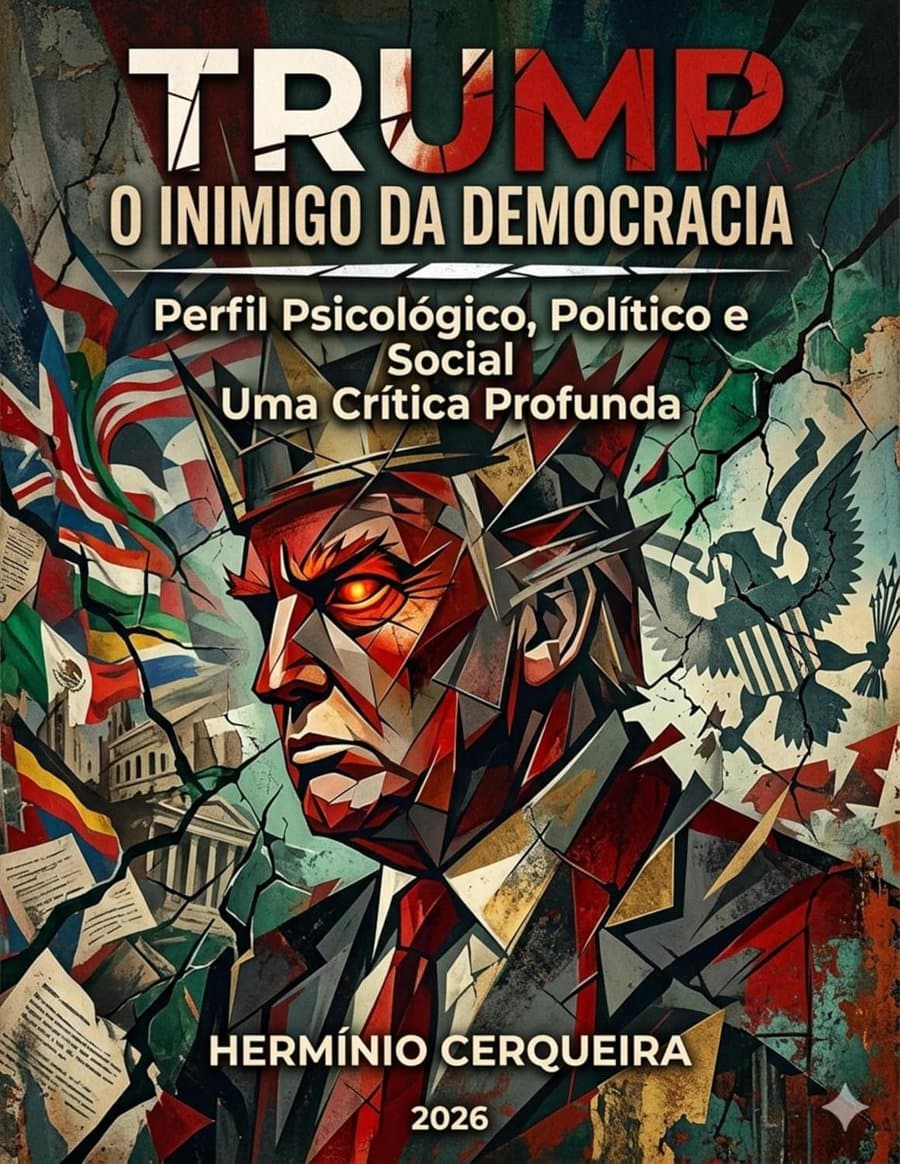
Trump o Inimigo da DemocraciaChiado Books edition
592 pagesE-book
Original text in Portuguese.
Se O Desruptor analisa o fenómeno, este livro analisa o homem — e fá-lo com um dispositivo metodológico invulgar no ensaísmo político português: a articulação sistemática de psicanálise, ciência política e sociologia, na tradição inaugurada por Adorno e a Escola de Frankfurt com The Authoritarian Personality. A tese é «simultaneamente simples e desconfortável»: Trump é o inimigo da democracia americana, e por extensão da democracia liberal global, «não como insulto, mas como categoria analítica» — porque não chega ao poder por golpe militar, mas eleito; não suspende a Constituição, mas explora-lhe os silêncios; não fecha jornais, mas deslegitima-os. É a destruição democrática operada por meios formalmente democráticos, no padrão que Levitsky e Ziblatt descreveram em How Democracies Die. E a tese é dupla: Trump é causa, mas é também sintoma — e é sobre as patologias que o produziram que «outras figuras, eventualmente mais competentes e portanto mais perigosas, se erguerão amanhã».
O ponto de partida heurístico é original: a longa entrevista de Tucker Carlson à New York Times Magazine, em Maio de 2026, lida como espelho das fissuras internas do bloco MAGA. A estrutura desenvolve-se num arco que vai do indivíduo à colectividade: a Parte I («O Homem») aplica ao caso Trump o conceito de narcisismo maligno de Otto Kernberg, o testemunho clinicamente informado de Mary Trump e o trabalho colectivo organizado por Bandy Lee — com uma discussão cuidadosa da Goldwater Rule e dos limites éticos do diagnóstico à distância, que o autor resolve distinguindo diagnóstico clínico de dever de alerta público. A Parte II («O Político») mobiliza Müller, Mudde, Mounk, Levitsky e Way para situar Trump na taxonomia do autoritarismo competitivo; a Parte III («A Sociedade») convoca Hochschild, Putnam, Whitehead e Perry, Benkler e Jason Stanley para explicar o solo do trumpismo. Seguem-se partes documentais de fôlego — a «conexão russa» de quarenta anos, de Ivana ao circuito Manafort-Kilimnik e ao relatório Mueller; a blindagem jurídica, dos 4.000 processos ao acórdão Trump v. United States; o colapso atlântico de 2025-2026, da guerra do Irão aos beneficiários do caos — antes da síntese crítica, que compara Trump com Berlusconi, Orbán, Bolsonaro e Erdoğan.
A conclusão, escrita em Maio de 2026, esboça três cenários para 2028 — continuação Trump, sucessão MAGA (com J. D. Vance como herdeiro provável), restauração democrática — e encerra com uma mensagem dupla ao leitor português: vigilância, porque «o populismo autoritário de direita já chegou cá, e cresce»; e participação, porque «a vigilância sem acção é estéril». A citação final é de Hannah Arendt: «A liberdade existe apenas onde os homens agem em conjunto.» No conjunto da obra, este é o volume mais interdisciplinar do eixo e o que mais directamente prepara o leitor para o livro seguinte: o estudo do caso americano como gramática universal do autoritarismo competitivo, que a Crise da Direita Democrática aplicará ao caso português.
“outras figuras, eventualmente mais competentes e portanto mais perigosas, se erguerão amanhã”
“não como insulto, mas como categoria analítica”
“o populismo autoritário de direita já chegou cá, e cresce”
“a vigilância sem acção é estéril”
“simultaneamente simples e desconfortável”
Source: «A Obra Comentada» (Sintra, Julho de 2026) — comentário crítico
2026 · 617 pages

2026 · 815 pages
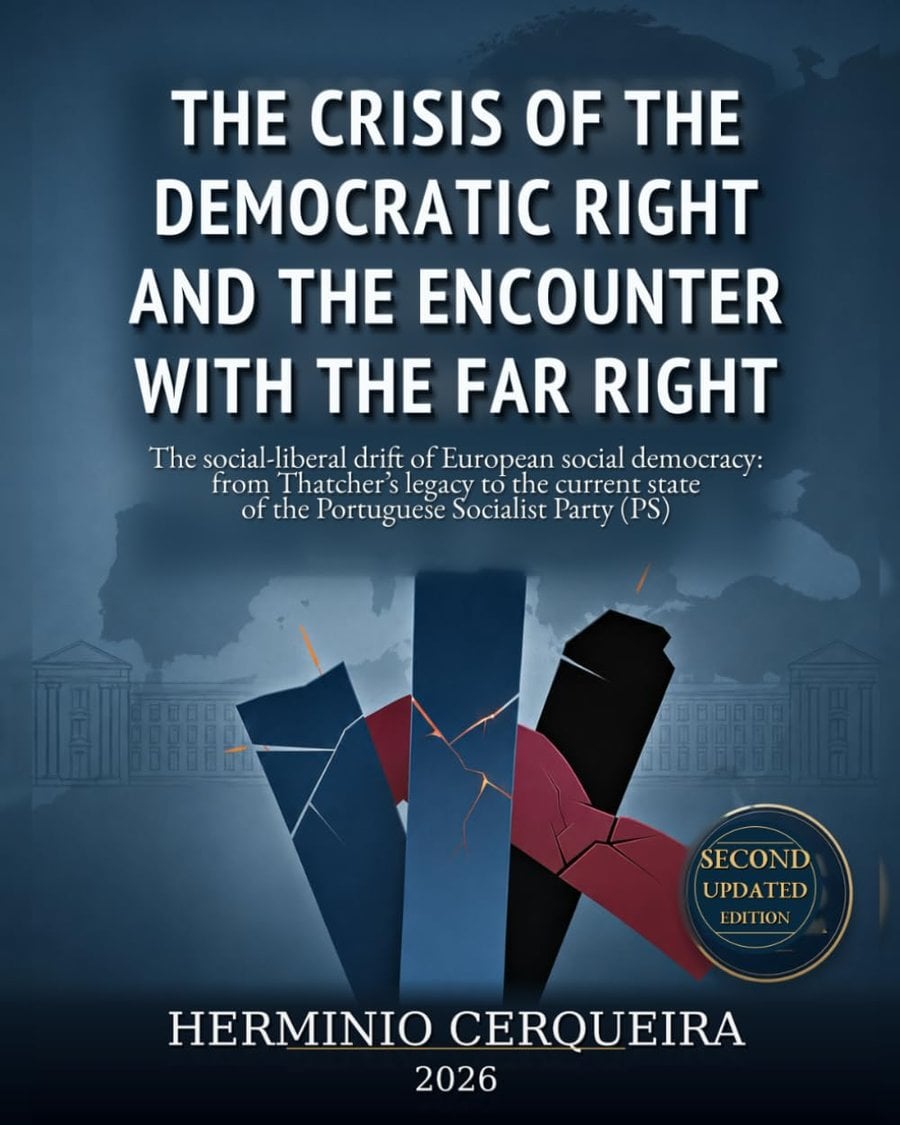
2026 · 791 pages